HEAD TO HEAD
NeuroView vs Ray-Ban Meta: Budget AI Translator Glasses vs the Category Leader (2026)
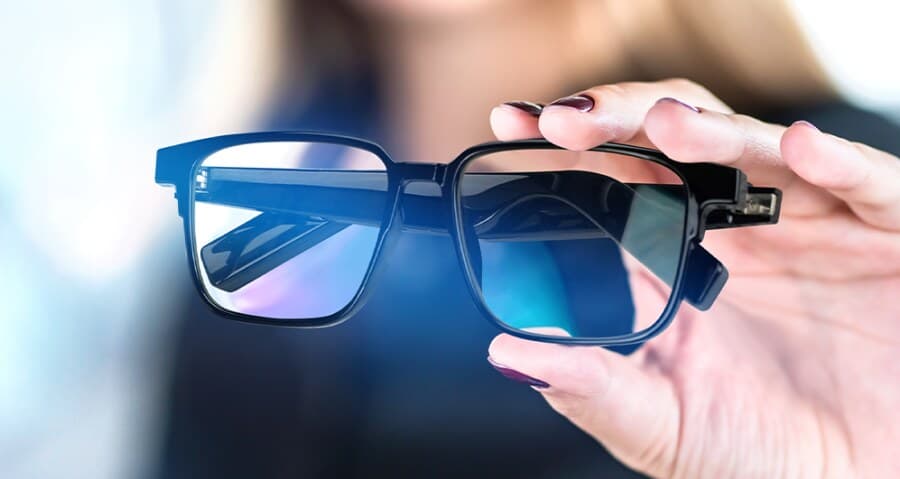
NeuroView AI glasses cost about $111 for one pair on the order page we read; Ray-Ban Meta (Gen 2) starts at $379 on Meta's store. We compare translation, calls, camera, battery, prescription lenses, returns and the order-page fine print, and say plainly where Ray-Ban Meta is worth the extra money.
NeuroView vs Ray-Ban Meta is a choice between price and proof: NeuroView is a low-cost pair of AI glasses focused on translation, calls and music, while Ray-Ban Meta is the established leader with a documented 12 MP camera, Meta's support and a famous frame, at more than three times the price. If you mainly want hands-free translation and open-ear audio on a budget, NeuroView is the cheaper way in. If you want a camera you can rely on and a long track record, Ray-Ban Meta earns its premium.
We built this comparison from NeuroView's own order page, Meta's Ray-Ban Meta product page and our earlier research. For NeuroView on its own, see our NeuroView review, and for the order-page red flags in detail, read is NeuroView legit.
NeuroView vs Ray-Ban Meta at a glance
NeuroView is sold direct from myneuroview.com. Its order page lists two-way voice translation in 130+ languages, hands-free calls, audio streaming, a built-in AI assistant, hands-free HD photos and video, and up to 8 hours on a single charge. Our review lists a 25 g frame with open-ear speakers in the arms. Translation and AI features run through the free NeuroView app on your phone.
Ray-Ban Meta (Gen 2) is sold on Meta's store from $379. Meta's page lists an ultra-wide 12 MP camera with 3K Ultra HD video and a 100-degree field of view, open-ear Bluetooth speakers, Meta AI, live translation, and up to 8 hours of battery plus 48 more hours from the included charging case. Our Ray-Ban Meta review puts the Wayfarer frame at about 48 grams. The newer Gen 3, listed from $449, adds Aviator and Zena styles, a slimmer design, a six-mic array and up to 9 hours per charge.
NeuroView vs Ray-Ban Meta price
On the NeuroView order page we read, one pair was $111.10 against a crossed-out $370, two pairs were $211.10, three were $266.66 and four were $311.10. Our review recorded one pair at $99.99 after an extra on-page discount, and a second NeuroView order page from the same brand showed one pair at $55.54, so the price you see depends on which page you land on. Shipping, shipping insurance and an optional lifetime protection add-on showed placeholder values instead of amounts, so read the final cart total before you pay.
Ray-Ban Meta's pricing is simpler: Gen 2 from $379 and Gen 3 from $449 on Meta's store, with lens and frame options adding to that. Even at NeuroView's $111.10 single-pair price, Ray-Ban Meta Gen 2 costs more than three times as much. Buying NeuroView through our link does not change your price.
Translation: the NeuroView headline feature
Translation is the reason most people look at NeuroView. The brand says you speak in your language and the translated version plays aloud for the other person, with their reply coming back to you, across 130+ languages. Because it runs through the phone app, your phone needs to be nearby and connected. That is the same approach most budget translator earbuds use, which our Talky AI Buds review covers.
Ray-Ban Meta also offers live translation through Meta AI, but Meta presents it as one feature among many rather than the headline. We have not tested the accuracy of either pair ourselves. If translation is your main reason to buy, NeuroView's 130+ language claim is the bigger number on paper; test it with the languages you need during the return window, in a quiet room and in short sentences.
Camera and photos: where Ray-Ban Meta clearly wins
This is the clearest gap, and Ray-Ban Meta wins it. Meta documents a 12 MP ultra-wide camera, 3K video and a capture LED that lets people know you are recording; Meta's page says the camera will not work if that LED is covered. Point-of-view photos and video are one of the main reasons people buy Ray-Ban Meta.
NeuroView's order page says it captures HD photos and video hands-free but gives no camera specifications, and when we reviewed it we could not spot a camera lens in the brand's product photos. Treat NeuroView's camera as unverified. If capturing photos and video matters to you, buy the Ray-Ban Meta.
Calls, music and battery
Both pairs use open-ear speakers in the arms, so you hear calls, music and podcasts while still hearing traffic and people around you. Meta adds that its glasses block 90 percent of background noise for the person you are calling. Open-ear audio on any glasses is tuned for voice and casual listening rather than deep bass.
Battery claims are close: up to 8 hours for NeuroView per its order page, and up to 8 hours for Ray-Ban Meta Gen 2 per Meta, which adds a charging case good for 48 more hours. NeuroView's order page does not mention a charging case. We have not measured either, and heavy translation or calls will shorten any battery, so treat these as ceilings.
Prescription lenses, returns and the NeuroView order page
Meta's page says Ray-Ban Meta glasses (Gen 1 and Gen 2) are prescription-lens compatible, either bought with prescription lenses or added at a certified retailer. NeuroView's order page does not say whether its frames take prescription lenses, so ask support before ordering if you need them.
NeuroView's order page promises: "Try them for 30 days. If you're not impressed, return them for a full refund." It does not spell out return shipping or the process; our review notes that the site's terms run the 30 days from delivery, ask you to email support to confirm the return address and do not refund shipping costs. Meta publishes a separate returns page and offers an extended Meta Warranty Plus plan. If after-sale support matters to you, Meta is the safer bet.
Buying Ray-Ban Meta from Meta's store is a conventional checkout. Buying NeuroView takes more care. The order page we read used a five-minute "Cart Lock" countdown, "selling out fast" banners and a claim that only a handful of units were reserved, and its discount percentages did not match its own math. A second NeuroView order page showed a "Yes, I Want Lifetime Protection" add-on with a placeholder price, so look for anything pre-selected and untick what you did not choose.
On the plus side, the page says orders ship from a U.S. warehouse within 24 hours and most arrive in 3 to 7 days with live tracking. Order a single pair first, photograph the glasses when they arrive, and test translation, calls and battery in the first week so you are well inside the 30-day window if you decide to send them back. If any of that sounds like more effort than you want, Ray-Ban Meta's higher price buys you a simpler purchase.
NeuroView is not Ray-Ban Meta, or the blue-light NeuroView glasses
NeuroView and Ray-Ban Meta are different products from different companies. Our review records that NeuroView's site terms name Sapience Group LLC as the operator; Ray-Ban Meta is sold by Meta and Ray-Ban. Meta also sells other glasses that are easy to confuse, including Oakley Meta and Meta Ray-Ban Display, which are separate products from the Ray-Ban Meta Gen 2 we compare here.
Search results for NeuroView also surface pages describing NeuroView as blue-light or eye-comfort glasses. The NeuroView we review is the AI smart glasses with translation and open-ear audio sold at myneuroview.com. Check that the page you buy from matches before you pay, because reviews of a similarly named product do not apply to it.
Who should buy NeuroView, and who should buy Ray-Ban Meta
Buy NeuroView if you want hands-free translation, calls and music for around $100 to $111, you are happy to test everything within 30 days, and you do not need a proven camera. Buy Ray-Ban Meta if you want a documented 12 MP camera, prescription lens options, a charging case, a well-known support network and a frame people already recognize. The independent review footprint is also far deeper for Ray-Ban Meta; NeuroView's coverage is mostly press releases.
TopCrate earns a commission only if you buy NeuroView through our links; we do not earn on Ray-Ban Meta from this page, and we say so once here so you can weigh this comparison. Our verdict on NeuroView is in the NeuroView review: a low-cost way into AI glasses with an order page you should read carefully.
Read our full NeuroView review
The features, price tiers, return fine print and our verdict.
Read our full NeuroView review →Frequently asked questions
NeuroView vs Ray-Ban Meta: which is better?
Ray-Ban Meta is better for camera, build and support. NeuroView is better value if you mainly want translation, calls and music, at about a third of the price or less.
How much cheaper is NeuroView than Ray-Ban Meta?
NeuroView's order page showed $111.10 for one pair. Meta lists Ray-Ban Meta Gen 2 from $379 and Gen 3 from $449, so NeuroView costs less than a third as much.
Does NeuroView have a camera like Ray-Ban Meta?
NeuroView says it takes HD photos and video but lists no camera specs, and we could not see a lens in its photos. Ray-Ban Meta Gen 2 has a documented 12 MP camera.
Do NeuroView glasses translate more languages than Ray-Ban Meta?
NeuroView claims 130+ languages through its phone app. Ray-Ban Meta offers live translation through Meta AI. We have not tested the accuracy of either pair.
Is NeuroView made by Meta or Ray-Ban?
No. NeuroView is a separate brand sold at myneuroview.com, and its site terms name Sapience Group LLC as operator. It is not affiliated with Meta or Ray-Ban.
Can I get NeuroView glasses with prescription lenses?
NeuroView's order page does not say, so ask support first. Meta says Ray-Ban Meta Gen 1 and Gen 2 frames are prescription-lens compatible.
TopCrate is reader-supported. When you buy through links on our site we may earn an affiliate commission, at no extra cost to you. Content is for general information and isn't a substitute for professional advice.