BUYER'S GUIDE
Is NeuroView Legit? AI Glasses Price, the 30-Day Return and What the Order Page Leaves Out (2026)
NeuroView is a real pair of AI translator glasses with open-ear audio, not a scam we could find. But the order page is full of placeholders, shifting discounts and missing company details. Here is what to verify before you buy.
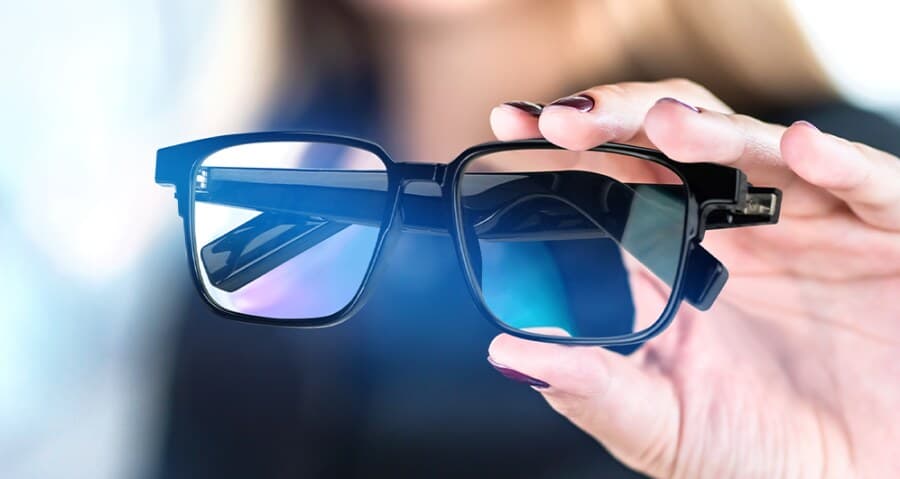
Is NeuroView legit? It is a real product: AI smart glasses with open-ear speakers that pair with a phone app for translation, calls and music, sold direct from myneuroview.com with a stated 30-day return. We did not find evidence of a scam, but the order page we read is sloppy in ways worth knowing about, with unfilled placeholder prices, inconsistent discount math and no company name or contact details on the page itself.
This guide covers what NeuroView is, what it costs, what the return promise does and does not say, what independent coverage exists (very little), and how it compares with Ray-Ban Meta glasses. For the glasses themselves and our verdict, see our full NeuroView review.
What NeuroView actually is
NeuroView is a pair of smart glasses that look like ordinary frames. According to the brand's order page, they offer two-way voice translation in more than 130 languages, hands-free calls, audio streaming, a built-in AI assistant and up to eight hours of battery on a single charge. The page also says the glasses can take HD photos hands-free, but gives no camera specifications.
The page does not list weight, materials or phone compatibility, so we can not confirm those from the order page. Our review lists a 25 g frame and open-ear speakers in the arms, which is the brand's description in other materials. The translation and AI features run through the companion app on your phone, so the glasses act as a hands-free microphone and speaker.
Is NeuroView a scam?
We found no evidence that NeuroView takes payment and fails to deliver. Our review records that the site's terms name Sapience Group LLC as operator, with a support email and phone line, and that the checkout shows a 30-day risk-free trial. The order page itself, however, names only NeuroView and gives no address, phone number or email in its visible text, so open the Terms and Contact pages before you buy.
Independent confirmation is thin. A web search for NeuroView reviews returns mostly press-release style articles distributed through paid newswire services, which repeat the company's 130-language claim, and we could not find hands-on testing of translation accuracy from established tech outlets. Treat the brand's 50,000-user and 4.9 rating figures as its own numbers, not verified ones.
NeuroView price: what you actually pay
On the order page we read, the tiers were one pair at $111.10 (crossed out from $370), two pairs at $211.10, three pairs at $266.66 and four pairs at $311.10. That is about $111 per pair for one, $106 for two, $89 for three and $78 for four. Our review records that an additional 10 percent discount brought one pair to $99.99 when we checked.
The page math does not hold together. It describes the discount as 70 percent in one place and 73 percent in another, the savings figures do not match the crossed-out prices, and an FAQ line refers to a "50 percent flash sale". Shipping, an insurance fee and an optional lifetime warranty all show placeholder values ("$xx.xx") instead of amounts. The page also uses countdown timers and "selling out fast" banners. Treat the crossed-out $370 as a reference price, not what anyone pays, and check the final cart total before paying. Buying through our link does not change your price.
The NeuroView 30-day return: what is and is not promised
The order page says "Try them for 30 days. If you're not impressed, return them for a full refund." It does not say who pays return shipping, whether there is a restocking fee or what the process is. Our review notes that the site's terms say the 30 days run from delivery, that you email support to confirm the return address, that shipping costs are not refunded and that refunds are processed after inspection.
Keep the box and packaging, photograph the glasses when they arrive, and email support within the first week with any problem so there is a written record. If you can, buy a single pair first rather than a four-pack.
Does NeuroView translation actually work?
The brand says you speak in your language and the translated version plays aloud for the other person, with their reply coming back to you. Because it runs through the phone app, you need your phone nearby and a connection. That is also how most budget translator earbuds work.
That approach suits menus, directions and hotel check-ins, and is less awkward than holding out a phone. It will not make you fluent, and translation tools of all kinds work best in quiet places with short, clear sentences. We have not tested accuracy ourselves, so try it with a few languages in your first week while you can still return it. Our Talky AI Buds review covers the earbud version of the same idea.
Calls, music and battery: what to expect day to day
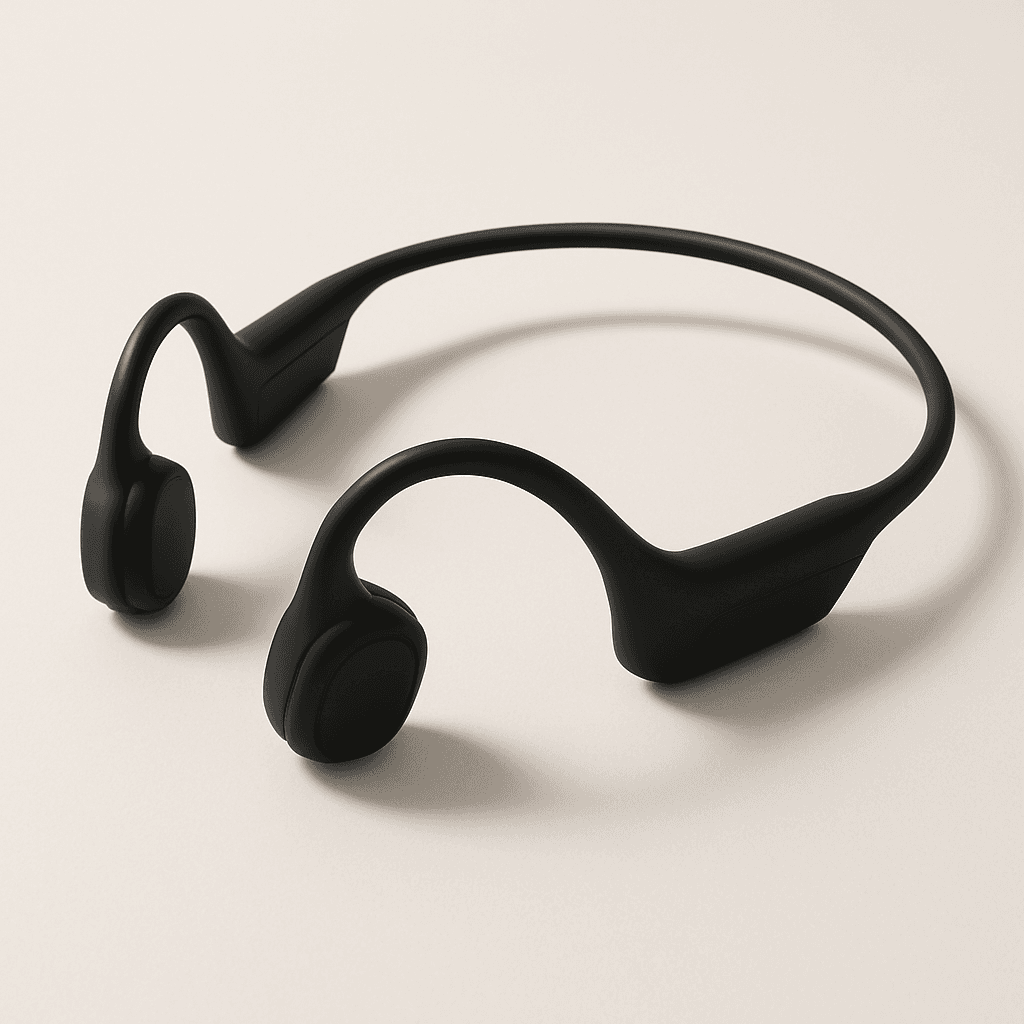
Open-ear speakers sit in the arms, so you hear calls, music and podcasts while still hearing traffic and people around you. That is safer on a street or bike path than sealed earbuds, though open-ear audio is tuned for voice and casual listening rather than deep bass, so it is not a replacement for good headphones on a long flight.
The page claims up to eight hours on a single charge, which would cover a day of travel or calls if it holds up. We have not measured it, and battery life drops with heavy use of calls and translation, so treat eight hours as the ceiling. Test it on your own commute during the return window. If you wear prescription lenses, check whether the frames can take them before you order, since the order page does not say.
NeuroView vs Ray-Ban Meta glasses
Ray-Ban's own site lists Ray-Ban Meta Gen 3 frames from $449, and audio-only models from $349, per our review research. You are paying for a famous frame brand, a proven camera and Meta's AI. Our Ray-Ban Meta review goes deeper on what that buys.
Where Ray-Ban Meta wins: build quality, brand support, a camera you can rely on and a long review history. Where NeuroView wins: price, at roughly a quarter of the cost, and a focus on translation, calls and music. If you mainly want a camera on your face, buy the Ray-Ban Meta. If you want to talk, listen and translate hands-free for around $100, NeuroView is the cheaper way in.
Not a medical or brain product
The name sounds clinical, but NeuroView has nothing to do with neurology or health monitoring. It is a consumer gadget for translation, calls and music, and the brand makes no medical claims on the page we read. Search results for NeuroView can also surface unrelated software and medical products with similar names, which are different companies.
Make sure the site you order from is myneuroview.com and the product is the NeuroView AI smart glasses. Reviews of any similarly named product do not apply to it.
Who should consider NeuroView, and our verdict
NeuroView suits travelers and commuters who want hands-free translation and open-ear calls without paying Ray-Ban Meta prices. It is a poor fit if you need a proven camera, a well-documented support history or complete clarity about shipping costs before you click buy.
TopCrate earns a commission only if you buy NeuroView through our links, and we say so once here so you can weigh this guide accordingly. Our verdict is in the NeuroView review: a low-cost way into AI glasses, with an order page you should read carefully.
Read our full NeuroView review
The features, price tiers, return fine print and our verdict.
Read our full NeuroView review →Frequently asked questions
Is NeuroView legit?
It is a real product sold from myneuroview.com with a stated 30-day return. Independent coverage is thin and the order page has placeholder values and inconsistent discounts, so verify the cart total and terms before buying.
Is NeuroView a scam?
We found no evidence it takes money and ships nothing. The cautions are the missing company details on the order page, the shifting discount claims and the lack of independent hands-on testing.
How much do NeuroView glasses cost?
On the order page we read: $111.10 for one pair, $211.10 for two, $266.66 for three and $311.10 for four. Our review recorded $99.99 for one pair after an extra 10 percent discount.
What is the NeuroView return policy?
The page promises a 30-day trial with a full refund if you are not impressed. Our review notes the terms start the 30 days at delivery and shipping costs are not refunded.
Do NeuroView glasses need my phone?
Yes. Translation and AI features run through the companion app, so your phone needs to be nearby and connected.
Is NeuroView the same as Ray-Ban Meta?
No. They are different products from different companies. Ray-Ban Meta frames start at $449 on Ray-Ban's site, while NeuroView costs roughly $100 for one pair.
TopCrate is reader-supported. When you buy through links on our site we may earn an affiliate commission, at no extra cost to you. Content is for general information and isn't a substitute for professional advice.