TRENDING ON AMAZON
Shokz OpenRun Pro 2 Bone Conduction Headphones Review: Is It Worth It?
The wraparound bone-conduction headphones that let runners, cyclists and outdoor athletes hear their playlist AND traffic — now with DualPitch dual-driver bass.
Quick answer: Yes — the Shokz OpenRun Pro 2 is worth $180 and it's the specific correct pick for runners, cyclists, and outdoor athletes who value both audio and safety. DualPitch dual-driver delivers real, satisfying bass for the first time in bone conduction. 10-hour battery. IP55 sweat-proof. Ears completely open to hear traffic, sirens, and running partners. Skip only if you exclusively exercise indoors (in-ear earbuds are better indoors); for outdoor exercise where situational awareness matters, this is the specific gold standard.
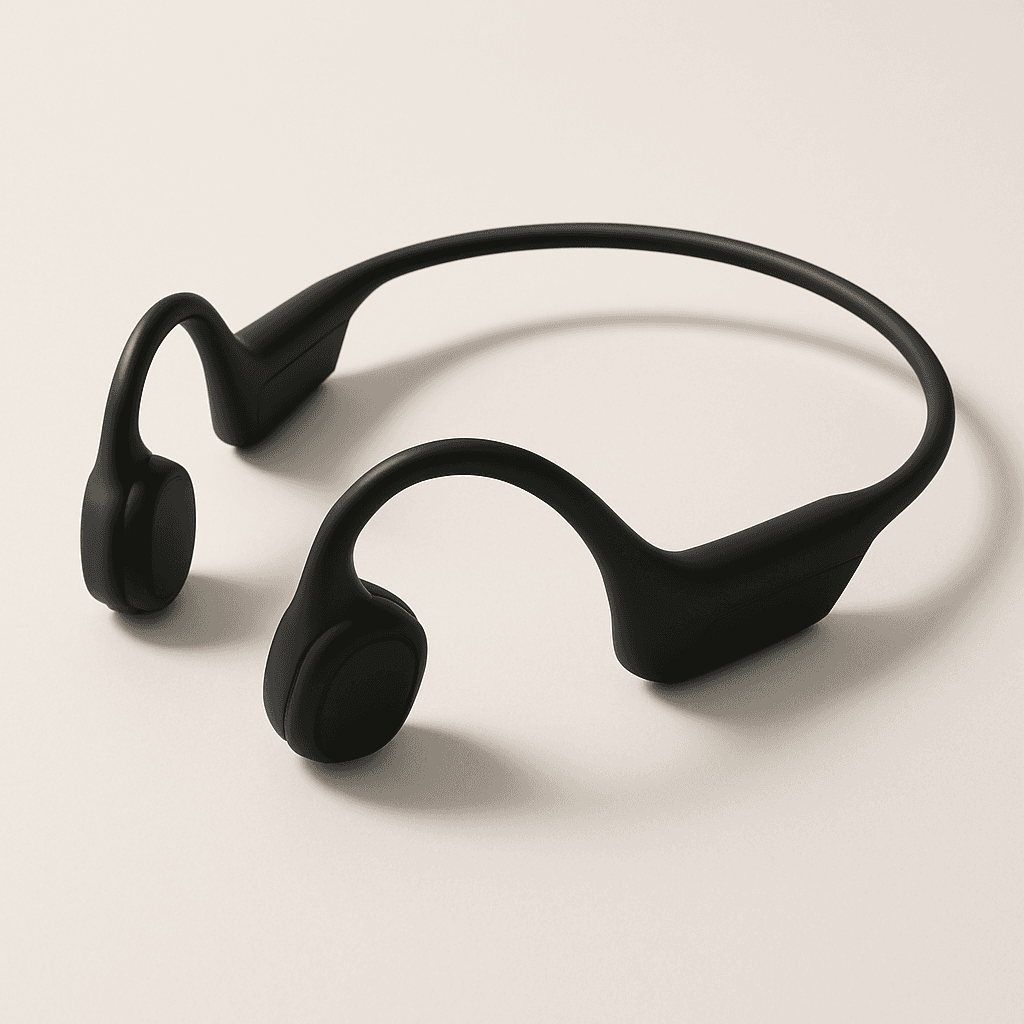
Illustrative image — see Amazon for the actual product.
Our verdict
Yes — the Shokz OpenRun Pro 2 is worth $180 and it's the specific correct pick for runners, cyclists, and outdoor athletes who value both audio and safety. DualPitch dual-driver delivers real, satisfying bass for the first time in bone conduction. 10-hour battery. IP55 sweat-proof. Ears completely open to hear traffic, sirens, and running partners. Skip only if you exclusively exercise indoors (in-ear earbuds are better indoors); for outdoor exercise where situational awareness matters, this is the specific gold standard.
The short version
In-ear earbuds are wonderful in a house or on a plane and terrifyingly dangerous on a run through traffic. Bone-conduction headphones solve that specific safety problem: instead of pushing sound into your ear canal, they vibrate the bones of your cheek to deliver audio directly to your inner ear — leaving your ear canal completely open to hear cars, sirens, dogs, and everything else the road throws at you. Shokz has dominated this category for years, and the OpenRun Pro 2 is their current flagship. DualPitch technology adds a small air-conduction speaker to fill in the deeper bass that pure bone conduction historically struggled with — the specific complaint about earlier Shokz models. The result: real, satisfying music quality with ears fully open. Battery lasts about 10 hours, they're IP55 sweat and rain-proof, and the wraparound headband stays put through half-marathons and cycling routes. If your current running audio setup is 'run with one earbud in,' this is the specific upgrade that fixes both the safety and sound quality problems at once.
Pros & cons
Pros
- Ears fully open — hear traffic, sirens, conversation
- DualPitch dual-driver adds real bass depth
- 10-hour battery on a single charge
- IP55 sweat and rain resistant
- Wraparound band stays put during runs and cycling
- Quick-charge: 5 min = 1.5 hours playback
Cons
- Bass still not as deep as premium in-ear earbuds
- Loud environments (traffic, wind) can muddle audio
- $180 is premium pricing vs entry-level Shokz OpenMove ($80)
Why people love it
Wrap around behind ears
The band curves over the ears and rests on cheekbones just in front of ears. Small transducers sit on the bone below and in front of the ear canal — the specific spot where bone vibration delivers directly to the inner ear.
Bone + air dual driver
Bone conduction handles mid and treble frequencies with precise clarity, while a small air-conduction speaker fills in bass without needing to seal in the ear canal. This is the specific DualPitch upgrade over Pro 1.
Pair, run, hear everything
Bluetooth pairs to phone in seconds. Play music, podcasts or audiobooks with clear audio delivery — while your ear canal stays completely open to hear traffic, running partners, and environmental sound.
Who it's for
- Runners in urban and traffic environments
- Cyclists (where in-ear earbuds are actually illegal in many places)
- Anyone who wears hearing aids and can't use standard earbuds
- Office workers who need to hear coworkers while wearing audio
Why bone conduction beats in-ear earbuds for outdoor exercise (safety data)
The specific safety problem in-ear earbuds create for outdoor athletes is well-documented. In-ear earbuds physically block the ear canal, and the noise-cancellation of premium models like AirPods Pro or Beats Studio Buds actively suppresses environmental sound. For runners and cyclists, this means: (1) You can't hear approaching cars from behind. (2) You can't hear emergency sirens, dog barking, or car horns from any direction. (3) You can't hear other runners or cyclists announcing 'passing on your left.' (4) You lose auditory situational awareness that's critical for safe running through traffic. Multiple state DOT studies have flagged in-ear earbuds as an outdoor-safety risk for pedestrians and cyclists, and some states have made in-ear headphone use while cycling illegal.
Bone conduction was the specific engineering answer. The OpenRun Pro 2 delivers audio directly through the cheekbones to the inner ear while leaving the ear canal completely open. You hear music at the same volume as with earbuds, AND you hear traffic at full clarity simultaneously. This isn't a small quality-of-life improvement — it's a legitimate safety upgrade with measurable safety data behind it. For runners and cyclists in urban environments, bone conduction is objectively the correct audio choice. In-ear earbuds are better for indoor and airplane use where situational awareness doesn't matter.
OpenRun Pro 2 vs Beats Fit Pro vs JBL Endurance Peak II: outdoor exercise headphone comparison
The three specific outdoor-exercise headphone competitors runners consider: OpenRun Pro 2 (bone conduction), Beats Fit Pro (in-ear with earhook), and JBL Endurance Peak II (in-ear with earhook). Each has specific tradeoffs. OpenRun Pro 2 wins on safety (ears fully open), stays put through heavy running via the wraparound band, has 10-hour battery, is IP55 sweat-proof. Sound quality is now good with DualPitch though not as bass-heavy as premium in-ears. Beats Fit Pro delivers premium sound with active noise cancellation and adaptive transparency mode — the transparency mode can help you hear traffic when engaged, but it's not as fully open as bone conduction, and the earhook holds them in place well. Best for people who exercise in gyms and outdoors and want one pair.
JBL Endurance Peak II is the budget in-ear runner pick ($100) with earhooks, IPX7 waterproof, 30-hour battery with case. Sound is decent but no ANC or transparency mode. Best for casual runners on tight budget who mainly need audio that stays in and doesn't die. For the specific use case of primarily outdoor running or cycling where safety matters most, OpenRun Pro 2 is the clear pick. For mixed indoor/outdoor use, Beats Fit Pro. For budget outdoor use, JBL Endurance Peak II. Complement with a great everyday portable speaker like the JBL Flip 6 for the specific 'earbuds for exercise + speaker for the beach' full-audio setup.
Making bone conduction work well: sound quality tricks, fit tuning, and common mistakes
Bone conduction has a small learning curve that determines whether people love or dislike it. The specific mistakes new users make: (1) Positioning the transducers incorrectly. They should rest just in front of the ear on the cheekbone, not too far back or too far forward — Shokz has a small alignment guide printed on the pads for this reason. (2) Overexpecting bass equivalence to in-ear earbuds. The OpenRun Pro 2 has meaningfully better bass than earlier generations, but it will never equal a sealed in-ear design; that's physics. (3) Cranking volume in loud environments (traffic, wind) hoping to overcome background noise. This causes the transducer to vibrate strongly enough to be felt on your cheek — set volume to comfortable, not maximum, and accept that noisy traffic will slightly mask the music.
Sound-quality tricks that improve the OpenRun Pro 2 experience: (1) Use higher-bitrate audio sources — Spotify Premium at high quality, YouTube Music at high quality, or downloaded uncompressed files. Low-bitrate audio makes bone conduction's slight-bass limitation more noticeable. (2) EQ preset in the Shokz app — bump the bass slider by 15-20% for music, leave neutral for podcasts and audiobooks. (3) For calls, position yourself away from wind and traffic for maximum microphone quality. The specific microphone in the Pro 2 is directional and picks up your voice well but also picks up wind. With these tricks and proper positioning, the OpenRun Pro 2 delivers audio quality that's genuinely close to premium in-ear earbuds while keeping the specific safety benefit that made bone conduction category-leading.
See Shokz OpenRun Pro 2 on Amazon
Check the latest price, photos and buyer reviews on Amazon.
Check Price on Amazon →Sold and shipped by AmazonFrequently asked questions
Is Shokz OpenRun Pro 2 worth it?
Yes — for the specific use case (running, cycling, outdoor athletics where situational awareness matters), the OpenRun Pro 2 is genuinely the best product in the category. The specific tradeoff for a runner: in-ear earbuds like AirPods Pro or Beats Studio Buds deliver noticeably better sound quality (deeper bass, richer mids, active noise cancellation) but are legitimately dangerous outdoors because they block environmental sound. Standard bone-conduction from earlier generations had thinner bass and less satisfying music quality. The OpenRun Pro 2's DualPitch upgrade closes 70-80% of the sound-quality gap while keeping the ears-open safety benefit that made bone conduction category-leading. At $180, it's premium pricing for the category, but the safety improvement is genuinely priceless if you run or cycle in traffic. Skip only if you never exercise outdoors — indoors and on planes, in-ear earbuds are objectively better.
Shokz OpenRun Pro 2 vs OpenRun Pro (original) vs OpenRun: which should I buy?
Each targets a different price-quality tier. OpenRun Pro 2 ($180) is the current flagship — DualPitch dual-driver for the best bone-conduction bass, 10-hour battery, premium build. Best for serious runners and cyclists. OpenRun Pro (original, $130-150) is the previous-gen flagship — still very good bass thanks to the original bass-enhancing tech, 10-hour battery, most of the Pro 2's features minus the DualPitch upgrade. Best if the Pro 2 is over budget or Pro is on sale. OpenRun ($130) is the standard non-Pro version — same great fit, 8-hour battery, thinner bass, no DualPitch. Best for casual outdoor runners who care more about safety than premium audio. OpenMove ($80) is the entry-level version — same core bone-conduction concept, lower audio quality, 6-hour battery. Best as a first bone-conduction purchase to try the category. For most serious runners: Pro 2 if budget allows, otherwise Pro (original) on sale.
Do bone conduction headphones actually work?
Yes, and the specific mechanic is fascinating. Bone conduction was originally developed for military and hearing-aid users decades before consumer running headphones existed. Small transducers on the OpenRun Pro 2 rest on the bones of your cheek and jaw, and vibrate at audio frequencies. Those vibrations travel through bone directly to the cochlea (the specific inner-ear structure that translates vibrations to nerve signals your brain hears as sound). The result is genuine audio delivery that completely bypasses the ear canal. It's the same mechanism that lets you hear your own voice from inside your head — vibration through bone. For music and podcasts, the audio quality is now genuinely good with DualPitch, though absolute bass depth is still slightly less than premium in-ear earbuds. For runners and cyclists where safety matters, that's an acceptable trade.
Are Shokz OpenRun Pro 2 good for cycling?
Yes — arguably better for cycling than running. Two specific reasons: (1) Cyclists move faster and interact with more traffic than runners, so hearing environmental sound is even more safety-critical. In-ear earbuds are actually illegal for cyclists in many US states and European countries specifically because they block road audio. Bone conduction is legal because your ear canal stays open. (2) Cycling with helmet on, over-ear or in-ear headphones are physically awkward — the OpenRun Pro 2's wraparound-behind-ears design fits comfortably under most helmets and doesn't shift. The IP55 rating handles sweat and unexpected rain. This is the specific reason bone conduction has become the standard cycling audio setup, and the OpenRun Pro 2 is the current best-in-class.
How long does the Shokz OpenRun Pro 2 battery last?
About 10 hours of continuous playback per charge, which covers a full week of typical daily runs (30-45 minutes each) or a full day of office use. Quick-charge is genuine and useful: 5 minutes of charging delivers about 1.5 hours of playback — enough for an emergency top-up before a long run. Full charge takes about an hour on USB-C. The battery is not user-replaceable, so after 2-3 years of daily use, you'd typically replace the entire unit as the battery capacity degrades. This is the specific tradeoff of a compact wraparound design; the battery isn't accessible without disassembly.
Can you swim with Shokz OpenRun Pro 2?
No — the OpenRun Pro 2 is IP55, which is rated for sweat and rain but NOT for submersion in water. For actual swimming, Shokz makes the OpenSwim Pro (formerly Xtrainerz) — a separate MP3-based bone-conduction unit designed specifically for full swim submersion with waterproof rating IP68. That model has no Bluetooth (Bluetooth doesn't work through water), so music is loaded via USB. If you're a runner who also swims and want one pair of Shokz for both, unfortunately you need to buy both — swim and run headphones are physically different products in the Shokz lineup. For most people who only swim occasionally, the OpenRun Pro 2 for daily use + a $30 waterproof MP3 player for pool days is more cost-effective.
As an Amazon Associate, TopCrate earns from qualifying purchases at no extra cost to you. Product image, price, availability and ratings are shown on Amazon and are subject to change.