HANDS-ON REVIEW
NeuroView AI Smart Glasses Review: Is It Worth It?
Everyday-looking glasses with open-ear speakers and microphones that pair with an app for real-time translation, hands-free calls, music and AI help.
Quick answer: NeuroView is an easy way into AI glasses for under $100. It covers what most people actually use: hands-free translation through the app, open-ear calls and music, and quick AI help, in a light frame that looks like normal glasses. It isn't a Ray-Ban Meta, the camera claim is worth checking, and the review footprint is still thin, so test it in your first few weeks. For travelers and busy callers who want to talk and translate hands-free on a budget, it's a smart buy.
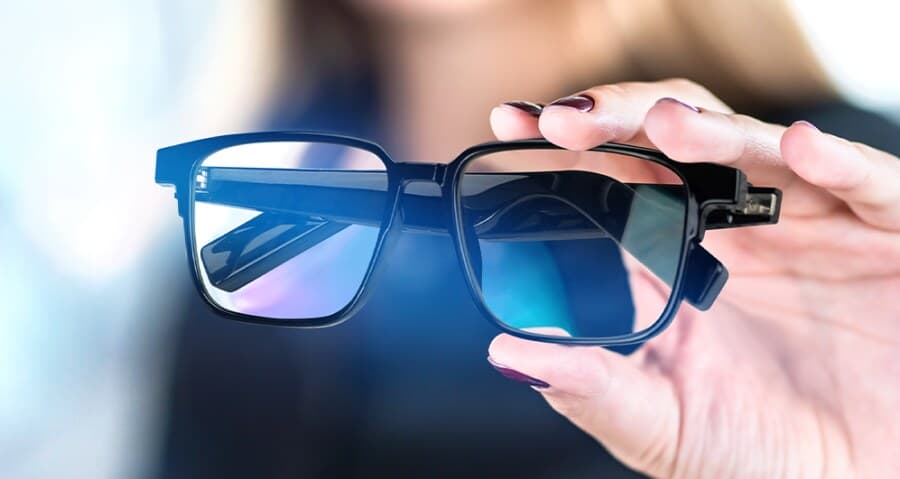
NeuroView AI smart glasses. Photo: NeuroView.
Our verdict
NeuroView is an easy way into AI glasses for under $100. It covers what most people actually use: hands-free translation through the app, open-ear calls and music, and quick AI help, in a light frame that looks like normal glasses. It isn't a Ray-Ban Meta, the camera claim is worth checking, and the review footprint is still thin, so test it in your first few weeks. For travelers and busy callers who want to talk and translate hands-free on a budget, it's a smart buy.
The short version
NeuroView are smart glasses that look like ordinary black square frames, with open-ear speakers and microphones built into the arms. Paired with the free NeuroView app on your phone, they handle two-way voice translation in 130+ languages, take calls, play music and answer questions through an AI assistant, all without you pulling your phone out. The brand lists a 25 g frame, blue-light-blocking lenses and an 8-hour rechargeable battery. On the brand's checkout one pair came to $99.99 when we looked, against $449 and up for Ray-Ban Meta Gen 3 frames, and there's a 30-day return window. They're not a Ray-Ban Meta rival on camera or polish, but as an affordable translate-and-talk wearable for travel and everyday calls, they're a smart, low-cost way into AI glasses.
Pros & cons
Pros
- Two-way voice translation in 130+ languages through the companion app, per the brand
- Open-ear speakers for calls, music and podcasts while still hearing traffic and people around you
- Hands-free voice control and a built-in AI assistant for quick answers, notes and reminders
- Looks like normal glasses: a 25 g square frame with blue-light-blocking lenses
- 8-hour rechargeable battery, per the brand, covers a full day of travel or work
- $99.99 for one pair at the brand's checkout, a fraction of big-name AI glasses
- 30-day return window from the day you receive them
Cons
- Translation and AI features run through the phone app, so you still need your phone nearby and connected
- The brand says there's a built-in camera, but we couldn't spot a lens in its product photos, so treat photo and video features as unverified
- Returns go to a facility confirmed by support, shipping costs aren't refunded, and refunds can take weeks
- No independent reviews on Trustpilot yet; the 4.9 rating and 50,000+ users figures are the brand's own
How it works
Charge and pair
Charge the glasses, install the free NeuroView app and pair over Bluetooth in a few seconds.
Wear them like normal glasses
Put them on. The speakers sit in the arms, so you hear audio without anything in your ears.
Talk, translate and listen
Use voice commands to start a translation, take a call, play music or ask the AI assistant a question.
Recharge overnight
The brand lists up to 8 hours of use, so a nightly charge keeps them ready for the next day.
Who it's for
- Travelers who want help ordering, asking directions and chatting in another language
- Commuters and drivers who want hands-free calls without earbuds
- Remote workers who take a lot of calls and like open-ear audio
- Gadget fans who want to try AI glasses without paying $400+
Is NeuroView legit?
NeuroView is sold direct from myneuroview.com, which is operated by Sapience Group LLC at 78 John Miller Way, Kearny, New Jersey, with a support email (hello@myneuroview.com) and phone line (480-466-0578). The site's terms include a 30-day returns policy that starts from when you receive your order, and the checkout shows a 30-day risk-free trial.
What you won't find yet is a big independent review footprint. There was no Trustpilot profile for myneuroview.com when we checked, and the 4.9 average and '50,000+ users' are figures from the brand's own page. That doesn't make the product bad, but it does mean you should test every feature you care about in the first few weeks, while you can still return it. Buying through our link doesn't change your price.
Does NeuroView translation actually work?
NeuroView's translation is conversational: you speak in your language, and the translated version plays out loud for the other person (and theirs comes back to you), with the brand claiming support for 130+ languages. The setup steps make clear this runs through the free NeuroView app on your phone, so your phone does the processing and needs a connection. Think of the glasses as a hands-free microphone and speaker for a translation app, which is also how most budget translator earbuds work.
That approach is good for menus, directions, hotel check-ins and friendly small talk, and it's much less awkward than holding out your phone. It won't make you fluent, and it works best in quieter places, speaking in short, clear sentences. If translation is the main reason you're buying, try it at home with a few languages in your first week. Our Talky AI Buds review covers the earbud version of the same idea.
Calls, music and the AI assistant
The open-ear speakers in the arms are the feature most owners will use every day. You can take calls, listen to music or podcasts and still hear what's around you, which is safer on a street or a bike path than sealed earbuds. Audio quality on any open-ear design is tuned for voice and casual listening rather than deep bass, so it's not a replacement for good headphones on a long flight.
The brand also lists an AI assistant for quick questions, reminders and notes by voice, plus voice-activated photo and video capture. We couldn't see a camera lens in the brand's product photos, so if capturing photos matters to you, check it as soon as your pair arrives.
NeuroView price, bundles and the return policy
The brand's order page opened at $111.10 for one pair (against a $370 'original' price), and an extra 10% discount on the same page brought one pair to $99.99 when we looked. Multi-packs go lower per pair: three pairs were $239.99 with the extra discount. The $370 figure is a reference price, not what people pay.
Returns: the terms give you 30 days from delivery. You email support to confirm the return facility address, send the glasses back in their original packaging with tracking, and the refund is processed after inspection. Shipping costs aren't refunded and card refunds can take a while to appear. Keep the box and packaging until you've decided.
NeuroView vs Ray-Ban Meta glasses
Ray-Ban's own site lists Ray-Ban Meta Gen 3 frames from $449, and audio-only Ray-Ban Meta models from $349. You're paying for a famous frame brand, a proven camera and Meta's AI. Our Ray-Ban Meta review goes deeper on what that gets you.
NeuroView is the budget alternative. It focuses on the features most people use day to day, like translation, calls, music and quick AI questions, for around a quarter of the price. If you mainly want a camera on your face, Ray-Ban Meta is the safer pick. If you want to talk, listen and translate hands-free for under $100, NeuroView is the better value.
Frequently asked questions
How much do NeuroView glasses cost?
On the brand's checkout one pair was $99.99 after an extra 10% discount when we looked (it opened at $111.10). Multi-packs cost less per pair.
How many languages does NeuroView translate?
The brand says 130+ languages, with two-way voice translation through the free NeuroView app.
Do I need my phone for NeuroView to work?
Yes. The glasses pair with the NeuroView app over Bluetooth, and translation and AI features run through it.
Can I take calls and play music?
Yes. Open-ear speakers in the arms handle calls, music and podcasts while you still hear what's around you.
How long does the battery last?
The brand lists an 8-hour rechargeable battery.
How heavy are they?
The brand says about 25 g, similar to a regular pair of glasses.
Do the glasses have a camera?
The brand says you can capture photos and video by voice, but we couldn't spot a lens in its product photos, so check this when your pair arrives.
What if I don't like them?
You have 30 days from delivery to return them in their original packaging. Confirm the return address with support first. Shipping costs aren't refunded.
When you buy through links on this page, TopCrate may earn an affiliate commission at no extra cost to you. Specifications are the manufacturer's claims and were not independently tested. Prices accurate as of publish time.