BUYER'S GUIDE
Flying Boomerang Ball: Does It Really Come Back? How Orbi-Style Flying Orbs Work, How to Fly One and Which to Buy (2026)
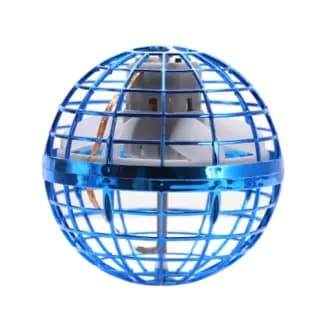
A flying boomerang ball is a small, caged, motion-sensing orb that hovers and curves back toward you when thrown the right way. Here's how it works, whether the boomerang claim is a hoax, how to charge and fly one, and how The Orbi compares with look-alikes.
A flying boomerang ball does come back, but not the way the ads imply: it's a palm-sized orb with a small rotor inside a protective cage, and its motion sensors make it curve away from nearby surfaces, so with practice you can throw it so it arcs back toward your hand. It doesn't find its way home like a drone. The best-known version is The Orbi Boomerang Ball, and the same kind of toy is sold as the Aurabi Boomerang Ball, the Hajimari Ball, and many generic "flying orb ball" listings.
This guide explains how these orbs work, whether the boomerang trick is real, how to charge and fly one, how to keep it in one piece, and how to choose between The Orbi and the look-alikes. For our full verdict on the brand we cover, read our Orbi Boomerang Ball review.
What is a flying boomerang ball?
A flying boomerang ball, also sold as a flying orb, hover ball or flying spinner, is a light plastic sphere about the size of a baseball with a motor and rotor inside a cage. LED lights in the shell change color as it flies, which is a big part of the appeal at dusk or in a dim room. You launch it by hand, there's no remote or app, and it charges over a USB cable.
The Orbi Boomerang Ball weighs about 26 grams, charges in about 25 minutes and flies for roughly ten minutes. The Aurabi Boomerang Ball lists the same 26 grams and ten minutes, micro USB charging, and a size "slightly larger than a baseball, or a little smaller than a softball". Those near-identical numbers are typical of the category: most of these toys are versions of the same basic design under different names.
Does a flying boomerang ball really come back? (Is it a hoax?)
It's not a hoax, but the word "boomerang" oversells it. Inside the orb, the rotor produces lift, and motion or proximity sensors read what's around it. As the ball nears a hand, a wall or the floor, it adjusts so it swerves, hovers or climbs rather than simply dropping. That's what makes the curving flight possible.
What it won't do is track you. If you throw it across an open lawn, it can drift away with the wind. The "return" is a skill: you learn to launch it with the right spin and direction, near your other hand or a wall, so its path curves back to you. Our review found early throws often just drop, and most people get consistent hovers and returns after a session or two of practice.
So if you've seen a video of an orb looping smoothly back to someone's hand and wondered if it was faked, it probably wasn't. It just took practice, and the person filming probably kept the good takes.
How to use a flying boomerang ball
Charge it fully first. The Orbi charges over USB in about 25 minutes; Aurabi's site describes its ball as fast-charging over micro USB. A full charge gives about ten minutes of flight, so play comes in short bursts.
Start it up. The Orbi is launched by resting it on your open palm and giving it a light toss or spin so the rotor spins up. Aurabi's instructions are "turn it on, give it a shake, then throw it". Check the manual in your box, because power buttons and start-up gestures differ by brand.
Throw and catch. Toss it gently rather than hurling it, and aim so its path passes near your other hand or a wall; that's where the sensors curve it back. Practice indoors in a big, clear room with no wind first, then move outside once you have the feel. Catch it from the side or underneath, away from the spinning rotor, and switch it off before you put it down.
If it won't fly, the usual culprit is charge: give it a full charge with the cable from the box before deciding it's faulty. If it lifts but won't come back, change your throw rather than the toy. Throw more gently, launch closer to your other hand or a wall, and move indoors if there's any breeze outside. If it still won't hold a charge or never lifts off after a full charge, treat it as defective and contact the seller while you're inside the return window. The Orbi's policy promises a replacement for a defective unit within 30 days of delivery.
Once you have the knack, turn it into a game. The sellers pitch these orbs for "all sorts of games or tricks", and simple ideas work best: play catch between two people, or see who can keep it hovering longest. The lights make it look great at dusk. Short battery life means you'll take breaks, so some buyers keep a second orb charged while the first one flies.
Where to fly it, and how to keep it working
Space is everything. Indoors, a small room means clipped lampshades and ceiling fans; a gym, basement or big living room works better. Outdoors, a yard or park with soft grass is ideal, but these orbs are so light that a breeze will carry them off, so pick a calm evening.
Durability is middling for the whole category. The cage shields the rotor from most bumps, but a toy weighing about as much as a few sheets of paper won't love repeated crashes onto concrete. Aurabi's own FAQ says its ball is "not indestructible, but it's tough enough for daily play", which is a fair description of all of them. As our Orbi review notes, a minority of units from any seller of this kind of toy arrive that won't hold a charge or won't lift off, so test it as soon as it arrives while the return window is open.
On safety: these are easy toys for roughly age 8 and up, and adults enjoy them too. Supervise younger children around the spinning rotor, and keep hair and fingers clear of the cage while it's running.
The Orbi vs Aurabi, Hajimari and generic flying orbs
These are different brands from different sellers, even though the toys look and behave alike. The Orbi is sold through its own checkout at theorbi.com, where one ball was $49.99 when we checked in November 2026 (or $39.99 on a second Orbi checkout page), with a 30-day guarantee on unused items. The Aurabi Boomerang Ball is sold at hoverorbtoy.com, where one ball was $44.43, by a seller with a Phoenix, Arizona PO box. The Hajimari Ball is another look-alike promoted on the Aurabi site. Generic flying orbs on Amazon and in toy shops usually cost $15 to $25.
Our Orbi Ball vs Aurabi Boomerang Ball comparison goes through prices, returns and shipping in detail. One last name to separate: NETGEAR Orbi is a mesh WiFi system, not a toy. If that's what you're after, read our guide on why your WiFi is slow in one room.
Which flying boomerang ball should you buy?
Buy a generic flying orb for $15 to $25 if you mainly want the cheapest way to try the toy, you need it fast, and you're happy with a marketplace's returns. For most budget buyers that's the sensible choice, and it's the one area where the generics clearly beat the branded versions.
Buy The Orbi if you want a named brand with a written return policy, a defective-unit replacement promise and a support line with posted hours. Packs bring the price down to $34.99 a ball, or less on the lower-priced checkout page, which suits families buying for siblings or parties. Allow two to three weeks for delivery. Our guide on where to buy The Orbi Boomerang Ball lists every pack price, shipping time and return rule, and our is The Orbi Boomerang Ball legit guide covers what to check before ordering.
Disclosure: TopCrate earns a commission only if you buy The Orbi through our link; we don't earn from Aurabi, Hajimari or generic orbs.
Read our full Orbi Boomerang Ball review
How The Orbi flies, how long it lasts, what it costs, and whether it beats a $20 generic.
Read our full Orbi Boomerang Ball review →Frequently asked questions
Does a flying boomerang ball actually come back to you?
It can, with practice. The orb's sensors make it curve away from nearby surfaces, so you learn to throw it so its path bends back toward your hand. It doesn't track you like a drone, and wind can carry it away.
Is the flying boomerang spinning ball a hoax?
No. It's a real toy with a rotor, motion sensors and LED lights, and it really hovers and curves. The ads overstate how easy the boomerang return is, and early throws often just drop.
How long does a flying orb ball fly on one charge?
About ten minutes. The Orbi charges in about 25 minutes over USB for roughly ten minutes of flight, and the Aurabi Ball lists the same ten minutes.
How do you turn on a flying boomerang ball?
It depends on the brand. The Orbi spins up when you toss or spin it off your open palm; Aurabi says to turn it on, shake it, then throw it. Check the manual in your box.
What age is a flying orb ball for?
Roughly 8 and up, and adults enjoy them too. Supervise younger kids around the spinning rotor and keep hair and fingers clear of the cage.
Is The Orbi the best flying boomerang ball?
It's a branded version of a common design, so the flight is much like the look-alikes. You pay more for The Orbi's checkout, return policy and support line. Generic flying orbs on Amazon cost $15 to $25 and do much the same thing.
TopCrate is reader-supported. When you buy through links on our site we may earn an affiliate commission, at no extra cost to you. Content is for general information and isn't a substitute for professional advice.