TRENDING ON AMAZON
Xero Shoes Prio Barefoot Athletic Sneaker Review: Is It Worth It?
The zero-drop, wide-toe-box barefoot sneaker that turned minimalist footwear from a niche into a movement — 5.5mm FeelTrue sole, 8.7oz per shoe, and a 5,000-mile warranty that says the brand actually believes it.
Quick answer: Yes — Xero Shoes are good for your feet if you transition slowly, and the Prio is the specific model that made barefoot footwear legitimate. Zero-drop, wide toe box, thin durable 5.5mm FeelTrue sole, and a 5,000-mile sole warranty that says Xero stands behind the durability claim. Adaptation takes 6-12 weeks of gradual daily wear — don't run a marathon in month one — but people who transition properly consistently report stronger feet, less chronic pain, and one shoe that handles gym, walking, travel and casual daily wear. Xero Shoes is a legitimate Colorado brand shipping real product since 2009. Not for everyone; genuinely transformative for the right person.
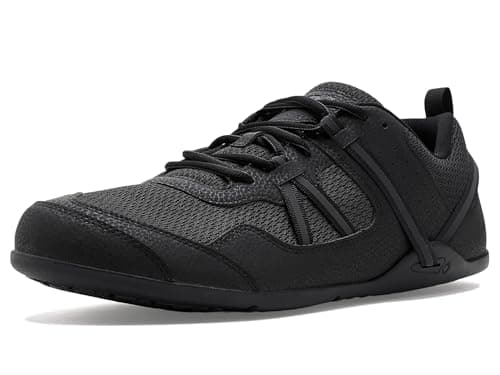
Product image from the Amazon listing.
Our verdict
Yes — Xero Shoes are good for your feet if you transition slowly, and the Prio is the specific model that made barefoot footwear legitimate. Zero-drop, wide toe box, thin durable 5.5mm FeelTrue sole, and a 5,000-mile sole warranty that says Xero stands behind the durability claim. Adaptation takes 6-12 weeks of gradual daily wear — don't run a marathon in month one — but people who transition properly consistently report stronger feet, less chronic pain, and one shoe that handles gym, walking, travel and casual daily wear. Xero Shoes is a legitimate Colorado brand shipping real product since 2009. Not for everyone; genuinely transformative for the right person.
The short version
Xero Shoes Prio is the shoe that made 'barefoot shoes' actually normal to wear. It's fully zero-drop (the heel and toe are at the same height), the toe box is wide enough that your toes can splay naturally, and the 5.5mm FeelTrue rubber sole is thin enough that you can feel the ground but tough enough for a 5,000-mile warranty — the highest sole guarantee in the industry by a wide margin. The upper is a light huarache-inspired mesh-and-strap combo, the whole shoe weighs 8.7oz in a men's size 9 (about 30% lighter than a typical running shoe), and the removable 3mm insole lets you dial in exactly how minimalist you want to go. It's not a shoe for someone who wants cushion. It's the shoe for people who've decided cushion is what caused their foot problems in the first place.
Pros & cons
Pros
- True zero-drop and wide toe box — feet splay and work naturally
- 5.5mm FeelTrue sole is thin but genuinely durable
- 5,000-mile sole warranty — the highest in any category
- Removable 3mm insole lets you scale toward fully barefoot
- Vegan, huarache-inspired upper — light and breathable
- Cross-trains for gym, hikes, walking and even light running
Cons
- Zero cushion means adaptation period for cushion-shoe wearers
- Not for long-distance road running until your feet strengthen
- Looks distinctly minimalist — not a fashion-first sneaker
Why people love it
Zero-drop, wide toe box, thin sole
Your foot lands in a natural position: no heel wedge tilting you forward, no narrow toe box compressing your toes, and just 5.5mm of FeelTrue rubber between your sole and the ground so you actually feel what you're walking on.
Adapt gradually
If you're used to cushioned running shoes, start by wearing the Prio for daily errands and short walks — not an all-day gym session on day one. Give your feet, calves and Achilles a few weeks to strengthen; the muscles you've been letting shoes do the work for need time to wake up.
Scale toward truly barefoot
The 3mm insole is removable. Wear the shoe with the insole for the first month or two, then take it out for even more ground feel once your feet are ready. Most Prio users find they never need the insole back in after they've adapted.
Who it's for
- People with chronic foot pain hoping barefoot helps
- Runners rebuilding after IT-band or heel issues
- Anyone doing barbell lifts (flat, stable base = stronger stance)
- Travelers wanting one light, packable shoe for everything
Why barefoot shoes stopped being a fad and became a legitimate footwear category
Barefoot running had its viral moment in 2009 with the book 'Born to Run,' followed by an equally viral backlash when a wave of untrained runners injured themselves trying to run marathons in Vibram FiveFingers. What happened in the fifteen years since — largely quiet — is that the underlying science kept accumulating. Podiatrists and physical therapists started routinely prescribing minimalist shoes for patients with chronic plantar fasciitis, bunions, hammertoes and IT-band syndrome; strength-and-conditioning coaches noticed lifters got noticeably stronger squatting in flat shoes; and researchers documented meaningful improvements in intrinsic foot muscle strength and toe splay for people who transitioned properly. The lesson wasn't 'barefoot bad' — it was 'don't jump from cushioned to zero-cushion overnight.'
Xero Shoes was founded in 2009 in the middle of that wave, and the brand's staying power comes from taking the transition problem seriously. The Prio isn't marketed to hardcore barefoot runners (though it works for them); it's marketed as the everyday transition shoe — enough protection to wear daily without hurting yourself, minimal enough that your feet actually adapt over weeks and months. That positioning made barefoot shoes accessible to a much wider audience than the FiveFingers era ever reached: office workers with foot pain, gym-goers wanting a stable base for lifting, hikers who wanted to feel the trail, and travelers who wanted one light packable shoe. By 2026 the category has moved from fad to legitimate, and the Prio is the specific model that made that happen.
How to actually transition to barefoot shoes without hurting yourself
The single biggest cause of barefoot-shoe injuries is doing too much too soon. Feet, ankles and calves that have been supported and cushioned for decades need time to rebuild the muscles and connective tissue that carry the load in a minimalist shoe. The proven transition protocol: weeks 1-2, wear the Prio for daily errands and walking (30-60 minutes at a time), and keep your old cushioned shoes for anything longer. Weeks 3-4, extend to 2-3 hour daily wear, add gentle 15-20 minute walks specifically in the Prio. Weeks 5-8, most people can go all-day daily wear and add short slow runs (start with 1 mile, 30 seconds run / 30 seconds walk, build gradually). By weeks 9-12 the feet, calves and Achilles have adapted; you can run longer distances, lift heavier in the gym, and stand all day without pain.
Signs you're pushing too fast: sharp Achilles soreness, tight calves that don't loosen with rest, plantar-fascia pain that gets worse rather than better, or top-of-foot pain (a warning sign for stress reaction). If any of these show up, back off — go back to walking-only in the Prio, add mobility work (calf stretches, plantar-fascia massage, toe stretches), and let the tissues catch up. Most people find the transition uneventful if they take it slow; the ones who fail are the ones who try to run their first marathon in month one. Slot in some passive toe-splay work while the transition compounds: Happy Feet toe alignment socks worn 30-60 minutes an evening reopen the toe box modern shoes have compressed shut for decades, which is exactly the geometry the Prio's wide forefoot is asking your feet to grow back into. For gym use, the flat stable sole is an immediate upgrade for barbell lifts — squatting and deadlifting in the Prio feels dramatically more stable than in cushioned running shoes, and many lifters report better lift form and reduced hip pain within weeks. Pair with mobility tools like a Chirp Wheel if your posture work is part of the transition.
Xero Shoes Prio for the gym, for hiking, for travel — how one shoe replaces four
The Prio's real superpower is that one shoe covers almost every non-formal use case in a normal week. Gym: the flat, stable sole makes it one of the best training shoes on the market for barbell work — squats, deadlifts, cleans and any lift where you want the floor pushing back at you without a squishy midsole compressing under load. Weightlifters have shifted away from Chuck Taylors (traditional cheap flat shoe) toward barefoot brands like Xero and Vibram specifically for the wide toe box, which lets the foot splay under heavy weight for a more stable base.
Hiking: the FeelTrue sole handles rocky trails well for day-hiking and lighter backpacking, though hardcore multi-day trekking still benefits from a stiffer hiking-specific shoe. Travel: at 8.7oz per shoe, the Prio is one of the lightest all-purpose shoes you can pack — many minimalist travelers put a single pair in their carry-on and wear a slightly more traditional shoe on the plane. Casual daily wear: the huarache-strap-inspired upper is normal-looking enough for coffee shops and grocery runs. What the Prio doesn't do: formal dress (obviously), running marathons on day one (adaptation required), or high-lateral-movement court sports (the Prio Neo is better for pickleball and CrossFit). But if you want one shoe that handles gym, walking, casual errands, light hiking and travel with a single purchase, the Prio is the answer, and the 5,000-mile warranty means it stays that way for years.
See Xero Shoes Prio on Amazon
Check the latest price, photos and buyer reviews on Amazon.
Check Price on Amazon →Sold and shipped by AmazonFrequently asked questions
Are Xero Shoes good for your feet?
Yes for most feet — provided you transition slowly. Podiatrists and physical therapists increasingly prescribe minimalist shoes like the Xero Prio for strengthening intrinsic foot muscles, restoring natural toe splay, and reducing chronic issues like plantar fasciitis, bunions, hammertoes and IT-band syndrome. The wide toe box lets your toes actually spread when you push off (they can't in a tapered running shoe), the zero-drop keeps your body in a more neutral alignment (no heel wedge tilting you forward), and the thin FeelTrue sole gives your foot the ground feedback it needs to actively work. What Xero Shoes are not good for: sprinting straight from a heavily-cushioned Nike or Hoka into a marathon in Prios — the muscles you've offloaded for years will complain loudly. Ease in over 6-12 weeks of daily walking wear and most people report noticeably stronger feet, better balance, and often chronic foot pain fading. For anyone with diabetic neuropathy or specific foot deformities, check with a foot specialist first.
Is Xero Shoes legit? Is the brand and the warranty for real?
Yes — Xero Shoes is a legitimate US company founded in 2009 in Colorado by Steven Sashen and Lena Phoenix, publicly pitched on Shark Tank in 2013 (turned down a deal), and grown into one of the largest minimalist-footwear brands in the world with a real headquarters, real customer service, and hundreds of thousands of shipped orders. The 5,000-mile sole warranty is genuine: they'll replace or repair a worn sole up to that mileage, and independent reports on running forums and Reddit consistently confirm the claim process is honored. The FeelTrue rubber compound is durable enough that most casual owners will never come close to 5,000 miles; that's why Xero can offer it. On product quality, the Prio has been in continuous production since around 2016 with iterative refinement, has 10,000+ Amazon reviews with a solid rating, and the returns/exchange policy is legitimate — if the size or fit is off, you can send them back. It's not a drop-ship scam brand; it's an established minimalist-footwear specialist.
Are barefoot shoes actually good for your feet, or is it a fad?
The evidence base has grown substantially, and the honest answer is 'good for most feet, if you transition slowly.' Research and clinical practice from foot specialists (podiatrists, physical therapists) increasingly supports minimalist footwear for strengthening intrinsic foot muscles, restoring toe splay, and often reducing chronic issues like plantar fasciitis, hallux valgus and IT-band pain. The 'if' matters — dropping straight from a heavily-cushioned running shoe into full barefoot use for a marathon will injure most people, because muscles that have been offloaded for decades don't spring back overnight. The Prio is deliberately designed as a transition shoe: enough protection (that FeelTrue sole is not paper-thin) that you can wear it daily, minimal enough that your feet actually work. Give it 6-12 weeks of gradual daily wear and most people report noticeably stronger feet and — often — pain that used to require orthotics disappearing.
How does Xero Shoes Prio compare to Vibram FiveFingers, Merrell Vapor Glove, and Altra?
Different points on the barefoot spectrum. Vibram FiveFingers: the extreme end — each toe in its own pocket, essentially like a glove for your foot. Great ground feel but polarizing look and a real learning curve. Merrell Vapor Glove: similar minimalist target to the Prio, slightly more traditional-looking upper, thinner sole and less versatile for gym/lifting use. Altra: not truly barefoot — Altras are zero-drop but heavily cushioned, so they're the transition brand for runners who want a natural foot position but still want cushion. Xero Shoes Prio hits a specific sweet spot: minimal enough to actually strengthen feet, protective enough for real daily use, and normal-looking enough that you can wear them to the store without stares. It's the barefoot shoe for people who want to be barefoot users, not barefoot-shoe enthusiasts.
Do I take my normal shoe size or size up in the Prio?
Order your normal athletic shoe size. The Prio fits true-to-size for length, with a genuinely wider toe box than any conventional shoe — which is the point of a barefoot shoe. Most people find their toes splay comfortably in their standard size. If you're between sizes, go up a half. Xero Shoes has a fit guide on their site with printable size charts and a return-and-exchange window if the fit is off; they know sizing is the biggest first-time worry.
Can I run in the Prio, or is it just for walking and the gym?
You can run in the Prio, but the honest recommendation is to run in it only after you've adapted your feet, calves and Achilles to barefoot mechanics through 6-12 weeks of daily walking wear first. The Prio is technically an athletic shoe (Xero markets it as cross-training / light running), and the FeelTrue sole handles road impact fine. But barefoot running requires a different landing pattern than cushioned-heel-strike running — mid-foot or forefoot landing, shorter stride, higher cadence. Runners who transition too fast get calf-and-Achilles soreness at minimum, or actual injuries in the worst case. For longer road running, dedicated barefoot runners often prefer the Xero Speed Force or Merrell Vapor Glove; the Prio shines as the all-purpose gym-and-daily minimalist shoe.
Do Xero Shoes really honor the 5,000-mile sole warranty?
Yes — this is a genuine warranty, not marketing. Xero Shoes will replace or repair the sole (not the upper) at any point before you hit 5,000 miles, which most casual users will never reach. There's a claim process online (photos of the wear, proof of purchase), and reports from long-term users on running forums and Reddit consistently confirm Xero processes claims fairly. The reason they can offer this is the FeelTrue rubber compound is genuinely durable — many users report their Prios still going strong after 2-3 years of daily wear. For context, a typical running shoe lasts 300-500 miles before the midsole degrades; a Prio's minimal midsole simply has less to degrade. This warranty alone is one of the best value propositions in footwear.
Xero Shoes Prio vs the newer Prio Neo — which should I buy?
The classic Prio (this review) is the original all-purpose barefoot athletic shoe — the model with over a decade of refinement and the biggest owner community. The newer Prio Neo has a slightly wider midfoot, a redesigned strap system, and is targeted more explicitly at high-intensity workouts (pickleball, CrossFit, gym training). If you're primarily doing daily walking, casual running and gym work, the classic Prio is the smart-money pick and the one with the strongest track record. If you're primarily doing court sports or high-lateral-movement training, the Neo's added midfoot support is worth the small premium. Both share the same FeelTrue sole and warranty.
As an Amazon Associate, TopCrate earns from qualifying purchases at no extra cost to you. Barefoot shoes require gradual adaptation. Consult a foot specialist if you have chronic foot pain or diabetes-related foot conditions before switching. Product image, price, availability and ratings are shown on Amazon and are subject to change.
More reviews you might like
SKINCARE
Celimax Vita-A Retinal Shot Review: Best K-Beauty Retinal for Sensitive Skin?
SPORTS
Body Glide Original Review: The Anti-Chafe Balm That Actually Works
SKINCARE
Foreo Luna Mini 3 Review: Is the Silicone Cleansing Brush Worth It?
SKINCARE