HANDS-ON REVIEW
Soul Insole Gel Orthotic Review: Is It Worth It?
A tiny reusable gel insole that supports your arch and helps relieve foot, heel and knee pain.
Quick answer: Soul Insole nails the sweet spot between a flimsy gel pad and a $400 custom orthotic: small, reusable, affordable, and genuinely supportive where it counts. If your feet ache by the end of the day, it's one of the easiest upgrades you can make.
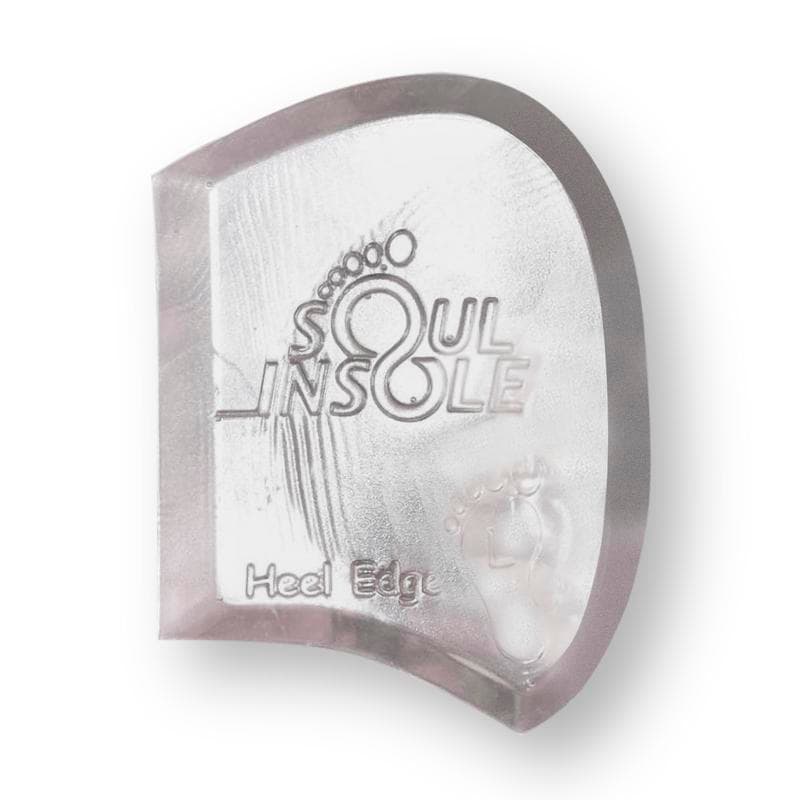
Small enough to move between any pair of shoes. Photo: Soul Insole
Our verdict
Soul Insole nails the sweet spot between a flimsy gel pad and a $400 custom orthotic: small, reusable, affordable, and genuinely supportive where it counts. If your feet ache by the end of the day, it's one of the easiest upgrades you can make.
The short version
Most orthotics are bulky, expensive, and only fit one pair of shoes. Soul Insole is the opposite — a small, reusable gel insert that sticks just under your arch to add targeted support and ease pressure on your heel and foot. It's discreet enough to move between sneakers, dress shoes and sandals, and it's washable and reusable for the long haul.
Pros & cons
Pros
- Targeted arch support in a tiny, low-profile insert
- Moves easily between any pair of shoes
- Reusable and washable — not a disposable insole
- Helps relieve arch, heel and foot pressure
- No bulky full-length insole taking up your shoe
- One size you can trim to fit
Cons
- Targeted support, not a full custom orthotic
- Takes a few days to adjust to the feel
- Severe foot conditions may need professional care
How it works
Stick it in
Place the gel insole just under your arch — the tacky bottom keeps it in place and moves between shoes.
It supports your arch
The contoured gel adds targeted lift and cushioning right where your foot needs it.
Walk easier
By supporting the arch and offloading pressure, it helps ease the aches that build up over a day on your feet.
Who it's for
- People with arch pain or plantar fasciitis
- Anyone on their feet all day at work
- Those who want support without bulky insoles
- Shoe-hoppers who don't want orthotics for every pair
Does Soul Insole help with plantar fasciitis and arch pain?
Plantar fasciitis is irritation of the plantar fascia — the thick band of tissue running from heel to toes along the bottom of your foot — and the classic tell is stabbing heel pain in your first few steps out of bed. It happens because the fascia stiffens overnight; unsupported, each morning step yanks a tight band across an inflamed insertion point. The standard conservative advice centers on supporting the arch so that band isn't overstretched with every step. Soul Insole is a small contoured gel insert that sticks just under your arch to add lift and cushioning exactly there, offloading some of the pressure that aggravates the fascia. That's why so many buyers reach for it specifically with plantar fasciitis or general arch pain in mind.
The honest boundary is that it's targeted support, not a medical treatment. For mild to moderate arch fatigue and the day-to-day aches of being on your feet, a well-placed gel support can make a real difference — especially paired with the two other cheap interventions podiatrists actually recommend for early plantar fasciitis: nightly calf stretches (two minutes per side, straight-knee and bent-knee variations) and rolling a frozen water bottle under the foot for 10 minutes after a long day. For severe, stubborn, or worsening plantar fasciitis — pain sharp enough to wake you, or lasting more than three months of consistent care — Soul Insole is one piece of a bigger picture that also includes proper footwear, sometimes night splints, and a podiatrist's input. Persistent or worsening pain deserves a professional's eyes, not another gel pad.
Soul Insole vs. Liftly and full-length orthotics: the real trade-offs
The support-insole category has three tiers, and Soul Insole occupies a specific slot in it. Full-length store inserts (like Liftly) fill the entire shoe with a contoured footbed — a bigger surface of support that includes a heel cup and forefoot cushioning, but tied to one pair of shoes and requiring the room to swap out the factory liner. Custom orthotics from a podiatrist ($300-600) are excellent but expensive and, again, live in one pair. Soul Insole's whole identity is being tiny — a compact gel piece that supports the arch without occupying the whole footbed, with a tacky underside that lets you peel it out and move it between sneakers, dress shoes, and sandals.
Practical translation: if your problem is one specific pair of work shoes killing your feet, a full-length insole like Liftly is the more comprehensive fix — heel cup, forefoot cushioning, real arch dome. If your problem is that you rotate through five pairs of shoes weekly (running shoes, dress shoes for work, sandals in summer, boots for weekends) and don't want to buy five sets of insoles, Soul Insole is the answer — one pair travels with your foot rather than living in the shoe. Many people who deal with foot pain end up owning both: a full-length Liftly permanently upgrading their main daily-driver shoes, and a Soul Insole moving between everything else. That combined coverage costs less than one custom orthotic pair.
How to place Soul Insole and break it in comfortably
Placement is the make-or-break step. The insert is meant to sit just under your arch, not under your heel or toes, and the tacky bottom holds it in position once you've pressed it down. The best way to line it up: sit down, put on the shoe without the insole, and press a thumb into the shoe's footbed right where your arch's highest point sits. That's the target. Peel the backing, position the insole with its highest curve at that spot, and press firmly for 10 seconds so the tacky underside grips. Because it's one size, you can trim the edges to fit a narrower foot or a tighter shoe — use scissors and take small passes rather than one aggressive cut. When you switch shoes, peel it out and stick it into the next pair; the grip is reusable.
Expect a short break-in period. Your feet have likely been walking unsupported, so a sudden new lift under the arch can feel noticeable or even slightly odd for the first few days — sometimes people describe it as a hand pressing up under the arch. The comfortable way to adapt is 2-4 hour stints for the first week, then build up to full days as your foot gets used to the support. Take a day off between wear if the arch feels achy — the muscles supporting the arch (posterior tibialis, intrinsic foot muscles) are being asked to work in a new position and need recovery time. To maintain the grip, rinse the insole when it stops sticking well; a small amount of dish soap and a rub with your fingers restores the tacky surface, and a single pair typically lasts a year or more of daily use.
Beyond insoles: the full stack for tired feet that stand or walk all day
An insole is one lever, and it works best inside a routine that addresses the other levers too. First: shoes. The best insole in the world can't rescue truly dead footwear — most sneakers lose their meaningful cushioning between 300-500 miles or 6-12 months of daily wear, and rotating pairs (alternating between two sets rather than wearing one to death) extends both pairs' lives while giving your feet slightly different pressure points each day. Second: recovery after the fact. For end-of-day soreness that an insole prevents but doesn't undo, a foot-massage tool like TheraFoot handles the tired-feet side; the deep-kneading rollers and heat address the muscle fatigue that builds up over 10,000+ standing steps.
Third: address the geometry of your feet as a longer-term project. Modern shoes have kept toes packed together for so long that most adult feet have lost their natural splay, which changes how weight distributes across the arch. Happy Feet toe-alignment socks are a slow, cumulative fix — wear them 30-60 minutes an evening while watching TV, and over months the toes gradually reopen the space they used to have, which is the same intrinsic-foot-strength that plantar fasciitis and arch fatigue both benefit from. Fourth: don't skip stretching. Two minutes of calf stretches and toe-pointing exercises daily costs nothing and does more for arch pain than any single piece of gear. Soul Insole handles the arch-support piece; combine it with rotating shoes, evening recovery, alignment work and daily stretches, and the aching-feet problem becomes a solved one instead of a chronic annoyance.
Frequently asked questions
Will it fit my shoes?
Yes — it's small and low-profile, so it works in sneakers, dress shoes, sandals and more, and you can move the same pair between shoes.
Does it help plantar fasciitis?
It's designed to support the arch and offload heel pressure, which is the area plantar fasciitis sufferers tend to feel. Many users buy it for exactly that.
How long does it last?
It's reusable and washable, so a pair lasts far longer than disposable insoles before needing replacement.
Can I wash it?
Yes. Rinse it to restore the tacky grip and reuse it.
Can I wear Soul Insole in sandals or flats?
Yes — its small, low-profile shape is the main reason it works where full-length insoles can't. Because it sticks just under the arch rather than lining the whole shoe, you can use it in sandals, flats, dress shoes, and sneakers alike, and move the same pair between them. That flexibility is exactly what sets it apart from bulky inserts.
How long does a pair of Soul Insoles last before I need new ones?
Because they're reusable and washable rather than disposable, a pair lasts far longer than throwaway gel pads — often well beyond what you'd expect from cheap insoles. When the tacky underside stops gripping, a quick rinse usually restores it. You'll only need replacements once the gel itself wears down or loses its shape with heavy long-term use.
When you buy through links on this page, TopCrate may earn an affiliate commission at no extra cost to you. Soul Insole supports the arch and is not a treatment for medical foot conditions; see a professional for persistent or severe pain. Prices accurate as of publish time.