TRENDING ON AMAZON
Shokz OpenRun Open-Ear Bone Conduction Headphones Review: Is It Worth It?
Bone-conduction headphones that leave your ears open — hear traffic and podcasts at the same time.
Quick answer: If you run near cars, cycle on roads, or need to hear your surroundings while you listen, the OpenRun is the safest and most comfortable pick out there. Sound isn't AirPod-level, but the awareness trade is exactly the point.
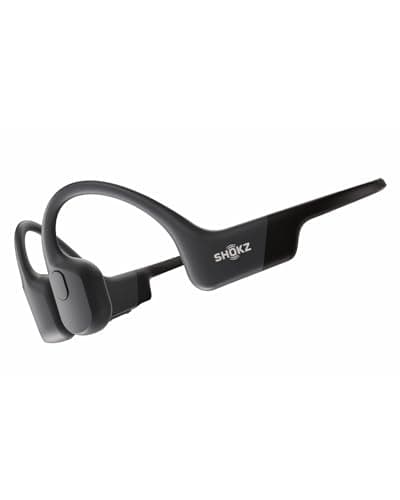
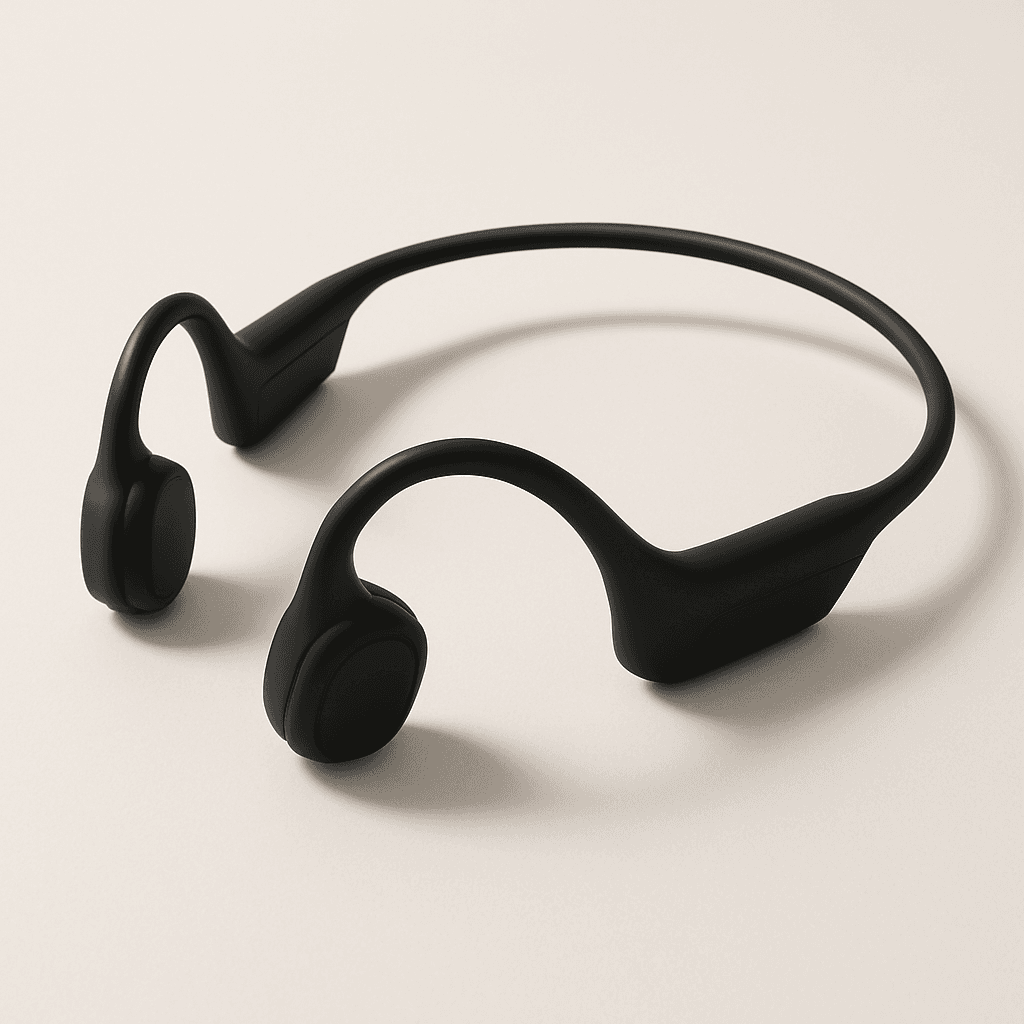
Product image from the Amazon listing.
Our verdict
If you run near cars, cycle on roads, or need to hear your surroundings while you listen, the OpenRun is the safest and most comfortable pick out there. Sound isn't AirPod-level, but the awareness trade is exactly the point.
The short version
Shokz OpenRun are the runners' and cyclists' answer to earbuds you shouldn't wear on the road. They sit in front of your ears rather than in them, and transmit sound through gentle vibration into your cheekbones — leaving your ear canals open to hear traffic, cars, running partners and your surroundings. Add 8-hour battery life, IP67 sweat-and-rain resistance and a barely-there fit under a helmet, and they're the safest way to listen to music or podcasts on the move.
Pros & cons
Pros
- Ear canals stay open — hear traffic and voices
- IP67 sweat, rain and dust resistant
- Featherweight fit — barely-there on long runs
- 8-hour battery, fast USB-C charging
- Fits under bike helmets and sunglasses
- Bluetooth 5.1 with dual-device pairing
Cons
- Sound quality is behind good in-ear buds
- Some vibration on cheekbones at high volume
- Leaks a bit of sound to nearby people
Why people love it
Bone conduction, not ear drivers
Small transducers rest against your cheekbones and transmit sound as vibration through the bone to your inner ear — no plug in your ear canal.
Ears stay fully open
Because nothing is blocking your ear canal, you hear everything around you at the same time as your podcast or music — the whole point for road use.
Titanium wraparound band
A flexible titanium band wraps around behind your head, staying secure through long runs and rides without pinching or bouncing.
Who it's for
- Road runners and cyclists
- Situational-awareness office workers
- Parents needing to hear their kids
- Anyone with in-ear buds that cause discomfort
Are bone conduction headphones actually good for running and cycling?
For running on roads and cycling in traffic, bone conduction headphones are the correct tool — not just an option. Wearing regular in-ear buds (even 'transparency mode' AirPods) while cycling means you can't hear car engines, emergency vehicles or someone shouting at you, and it's the reason many jurisdictions have started fining road cyclists caught wearing them. Bone conduction leaves your ear canal fully open, so you get music or a podcast on top of everything you'd normally hear — same awareness as running without headphones, plus audio.
There's a real sound-quality trade to make. Bone conduction physically can't reproduce deep bass the way an ear-canal driver can, and at high volume you'll feel a bit of tingle on your cheekbones. Podcasts, audiobooks and mid-tempo pop sound very good; bass-heavy EDM sounds thinner than through AirPods. For running and cycling, that trade is easily worth it — the safety upgrade dwarfs the audio downgrade. For gym-only lifting where isolation is a plus, use regular earbuds.
Shokz OpenRun vs OpenRun Pro vs the newer OpenFit: which model is right for you?
Shokz's lineup can be confusing. The plain OpenRun (this one) is the all-arounder — IP67 rated for rain, 8-hour battery, standard bone-conduction feel. OpenRun Pro adds a bass-boosting bumper and 10-hour battery, and sounds noticeably better for music, but it's only IP55 rated — fine for sweat, less confident in real rain. If you run in rain regularly, OpenRun. If you run in dry weather and care about sound, OpenRun Pro.
The newer OpenFit changes categories entirely: it's a true-wireless earbud that sits over your ear (like the Bose Ultra Open) rather than a bone-conduction band. Better music sound, no cheekbone tingle, but a less secure sports fit and a different price bracket. For active sport use where you need something that absolutely won't move, the OpenRun's headband is still the right choice — the OpenFit is for lifestyle open-ear listening around the house or at a desk.
How to fit Shokz OpenRun and get the best sound
Fit is what determines both comfort and sound quality with bone conduction. The transducers should sit on your cheekbones just in front of and slightly below your ears — not on your ear itself, and not too far forward toward your temples. The titanium band should curve around behind your head, above where your neck starts. If the transducers are sitting on the wrong spot, sound gets thin and the vibration is more noticeable; a small adjustment forward or back often makes an audible difference.
For sound, start at moderate volume (about 60-70% of max) — bone conduction gets tingly and starts leaking sound to nearby people at high volume. If you find bass lacking, use the equalizer on your phone or in your podcast/music app to bump the lows a touch. In very windy conditions bass drops further because wind noise masks lower frequencies — that's physics, not a defect. For weight-lifting or gym-machine use where you want more bass, consider a bass-boosted model like OpenRun Pro.
See Shokz OpenRun on Amazon
Check the latest price, photos and buyer reviews on Amazon.
Check Price on Amazon →Sold and shipped by AmazonFrequently asked questions
How do bone conduction headphones actually work?
Small transducers vibrate against your cheekbones just in front of your ears. The vibrations travel through the bone directly to your cochlea (inner ear), bypassing the eardrum entirely. This means your ear canal stays open and you can hear ambient sound normally at the same time — the whole point for safety-conscious outdoor use.
Shokz OpenRun vs OpenRun Pro vs OpenFit: which is best?
OpenRun is the standard model — 8 hour battery, IP67, best all-around. OpenRun Pro adds bass-boosting bumpers and 10-hour battery but drops the IP67 rating down to IP55 (sweat resistant, not fully water-safe) — better sound but worse in rain. OpenFit is a different category entirely: true wireless open-ear buds that sit on your ear rather than using bone conduction, with better music sound but a less secure fit. For runners and cyclists who want a rugged, water-resistant, secure-fitting bone-conduction headphone, OpenRun is the pick.
Are they safe for hearing?
Yes — bone conduction bypasses the eardrum, which some people (mistakenly) assume means it protects against hearing damage. It doesn't — sustained high-volume vibration can still damage the inner ear over time. Use them at moderate volume, take listening breaks on long sessions, and don't crank them beyond about 80% of max volume for extended periods.
Do they stay in place while running or cycling?
Yes — the titanium wraparound band is what makes them work for high-motion sports. Unlike true wireless earbuds that can fall out, the OpenRun's headband anchors them behind your head and they don't move on running, jumping or head-turning. They also fit under most bike helmets and don't interfere with sunglasses arms.
How's the sound quality compared to AirPods?
Honestly, in-ear AirPods sound better for music — you get more bass and more isolation because the driver is right at your ear canal. Bone conduction physically can't match that. What OpenRun offers instead is decent sound plus full situational awareness — a trade that only makes sense in specific use cases (running near cars, cycling, hearing kids, being at a desk in an office). For gym-only or commuting listening where isolation is what you want, get AirPods; for outdoor safety, get OpenRun.
Can I use them for phone calls?
Yes — there's a built-in microphone and Bluetooth 5.1 supports HD voice calls. Because your ears are open, you can hear your own voice normally (no 'ear plug' distortion), which many people find calls more comfortable than with in-ear buds. The mic is decent but not studio quality, so noisy street calls can be hit-or-miss.
As an Amazon Associate, TopCrate earns from qualifying purchases at no extra cost to you. Product image, price, availability and ratings are shown on Amazon and are subject to change.