TRENDING ON AMAZON
Amazon Echo Pop Smart Speaker with Alexa Review: Is It Worth It?
The half-sphere Alexa speaker that fits anywhere — fuller sound than its size suggests, and one of the easiest ways into a smart home.
Quick answer: The Echo Pop is the easiest, cheapest way to get full Alexa into a kitchen, bedroom or bathroom — small enough to disappear, loud enough to fill a room, and capable enough to run a small smart home by voice. For anyone testing the Alexa waters or filling in extra rooms, it's the obvious pick.
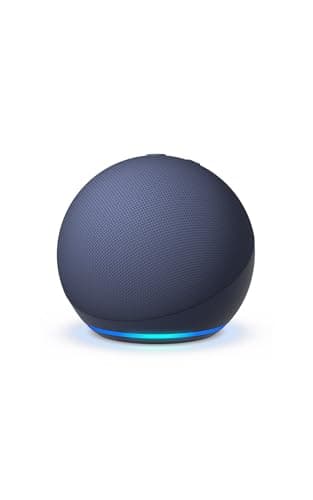
Product image from the Amazon listing.
Our verdict
The Echo Pop is the easiest, cheapest way to get full Alexa into a kitchen, bedroom or bathroom — small enough to disappear, loud enough to fill a room, and capable enough to run a small smart home by voice. For anyone testing the Alexa waters or filling in extra rooms, it's the obvious pick.
The short version
The Echo Pop is Amazon's smallest full-fat Alexa speaker — a 4-inch half-sphere with front-firing audio that sounds noticeably bigger than the price tag suggests. It pairs with Alexa for timers, music, weather, smart-home control and intercom-style drop-ins, slips into a kitchen, bathroom or bedside without claiming counter space, and comes in colors that don't scream 'gadget.' For first-time Alexa buyers and households adding a second or third speaker, it's the easy pick.
Pros & cons
Pros
- Front-firing speaker sounds bigger than the size
- Tiny half-sphere footprint fits anywhere
- Full Alexa: timers, weather, smart home, intercom
- Cheap enough to put one in every room
- Quiet color options that don't look techy
- Easy multi-room music with other Echo devices
Cons
- No 3.5mm aux output (unlike Echo Dot)
- No built-in temperature sensor
- Single-speaker stereo is mono unless paired
Why people love it
Plug in and pair
Plug the Pop into power, open the Alexa app on your phone, and the speaker pairs over Wi-Fi in a couple of minutes — no extra hub needed.
Ask Alexa anything
From across the room, ask for weather, timers, news briefings, music, jokes, conversions or a recipe step — Alexa replies hands-free.
Control your smart home
Pair it with smart bulbs, plugs, thermostats or door cameras and run them by voice or by routines — 'Alexa, good morning' can light, brew and brief in one shot.
Who it's for
- First-time Alexa buyers
- Bedrooms, kitchens and bathrooms where space is tight
- Households adding a second or third Alexa speaker
- Anyone who wants a cheap smart-home voice front door
Echo Pop vs Echo Dot vs Echo: which Alexa speaker is right for you?
Amazon's Alexa speaker lineup gets confusing fast, so here's the practical breakdown. The Echo Pop is the cheapest, smallest and quietest of the three — a half-sphere with a single front-firing driver and no 3.5mm output. It sounds good for podcasts, casual music in a bedroom or bathroom, and Alexa voice replies, but it's not the speaker you'd choose for serious listening. The Echo Dot (5th gen) is the spherical sibling: pricier, louder, with better directionality, a built-in temperature sensor, and an aux output to plug into a powered speaker — the right pick if Alexa lives by your bedside or if you want the best small Alexa for music.
The full-size Echo is a different class entirely: a much larger speaker with stereo drivers and a subwoofer-like woofer for genuine living-room audio, plus a built-in Zigbee hub for one-tap smart-home pairing. If you want one Alexa device that doubles as a real music speaker for a main room, get the Echo. If you want the cheapest way to put Alexa in a small space — or two or three of them around the house — the Pop is the best value. The Dot is the middle ground, and the one to choose when you specifically want the temperature sensor or aux out.
Echo Pop vs Google Nest Mini and Apple HomePod mini
The Echo Pop's most direct rival is the Google Nest Mini, and the choice comes down to your assistant ecosystem. Pick the Pop if you already use Alexa for shopping lists, smart-home routines or Ring/Blink cameras, or if you want the deepest Amazon-services integration. Pick the Nest Mini if your phone is Android, your calendar is Google, and your smart home leans on Google-friendly devices — Google Assistant tends to handle natural-language follow-up questions slightly more conversationally, while Alexa wins on the sheer number of compatible smart-home skills.
Apple HomePod mini is the premium alternative for Apple households: noticeably better sound than either small Alexa or Google speaker, full Siri integration, AirPlay 2 and HomeKit support for Apple smart-home gear — at roughly twice the Pop's price. If you live in iMessage, Apple Music and HomeKit, the HomePod mini is the natural pick. For anyone outside the Apple ecosystem, or anyone who just wants the cheapest competent voice speaker, the Pop wins on price and Alexa skill breadth.
How to set up the Echo Pop and build genuinely useful routines
Setup takes minutes: download the Alexa app, plug the Pop in, and the app walks you through joining your Wi-Fi and naming the device by room (the room name matters — it's how Alexa knows which speaker to play music on or which lights to control). Once it's paired, the real value comes from spending 15 minutes turning on the skills and integrations you'll actually use: music service of choice (so 'play X' just works), your calendar, traffic for your commute, and your smart-home brands.
Routines are where the Pop earns its place. Build a 'Good morning' routine triggered by a voice phrase or a time that turns on a few lights, reads the weather and starts a music playlist; a 'Bedtime' routine that locks compatible doors, dims bedroom lights and plays a sleep sound; and a 'Leaving' routine that turns off everything in one phrase. Drop In is the underrated feature — you can use any Echo as an intercom to call other Echo devices in your house, which beats yelling between floors. Once routines are dialed in, the Pop stops being a novelty and becomes the actually-useful interface to your home.
See Echo Pop on Amazon
Check the latest price, photos and buyer reviews on Amazon.
Check Price on Amazon →Sold and shipped by AmazonFrequently asked questions
Echo Pop vs Echo Dot: which one should I buy?
The Pop is the cheaper, more compact half-sphere; the Echo Dot (5th gen) is the slightly pricier sphere with louder, more directional sound and a built-in temperature sensor plus a 3.5mm output for connecting to a stereo. If you want the best small Alexa speaker for music or a bedside clock with a temperature sensor, get the Dot. If you want the smallest, cheapest 'put Alexa in another room' device that still sounds good, get the Pop.
Can the Echo Pop play music?
Yes — it streams Amazon Music, Spotify, Apple Music, Pandora, TuneIn and other services over Wi-Fi via the Alexa app. The single front-firing speaker handles podcasts, talk radio and casual music well; for richer sound you can pair two Pops as a stereo pair, group it with other Echo devices for multi-room audio, or step up to an Echo Dot or Echo for fuller bass.
Does the Echo Pop have a screen?
No — it's an audio-only speaker, so all responses come through voice. If you want visual responses (weather, calendar, video calls, smart-home dashboards), look at the Echo Show 5 or Echo Show 8 instead.
Does the Echo Pop work without Wi-Fi?
It needs Wi-Fi for almost everything Alexa does — voice answers, music streaming, smart-home control and Drop In. Without Wi-Fi it's effectively a paperweight, which is true of all Echo speakers. Bluetooth pairing to a phone is supported for playback once it's set up.
Is the Echo Pop always listening?
It only sends audio to Amazon after you say the wake word ('Alexa' by default — you can change it to 'Computer,' 'Amazon' or 'Echo' in the app). A microphone-off button on top physically disconnects the mic when you want privacy, and you can review or delete voice history in the Alexa app.
What smart-home devices work with the Echo Pop?
Anything Alexa-compatible: smart plugs (TP-Link Kasa, Amazon Basics), smart bulbs (Philips Hue, Govee), thermostats (Nest, ecobee), doorbells (Ring, Blink) and dozens of other brands. Pair them in the Alexa app and you can run them by voice or build routines like 'Alexa, good night' that lock doors, turn off lights and start a sleep sound.
As an Amazon Associate, TopCrate earns from qualifying purchases at no extra cost to you. Product image, price, availability and ratings are shown on Amazon and are subject to change.