HEADACHE RELIEF
How to Relieve Tension Headaches Without Medication (What Actually Works)
Ibuprofen is the reflex, but tension headaches respond to cold, warmth, pressure and specific muscle work in ways most people never try — here's the drug-free playbook, plus the small tools that make each move easier.
Tension-type headache is the most common headache in the world — the World Health Organization estimates more than half of adults have one in any given year, and a meaningful minority get them weekly or more. The reflex response is a couple of ibuprofen, and for occasional headaches that's fine. The problem is what happens when 'occasional' becomes 'twice a week': daily NSAID use is hard on the stomach and the kidneys, and paradoxically, taking OTC painkillers more than about ten days a month can cause medication-overuse headache — the drug you took for pain becomes the reason for the next one.
The good news is that tension headaches respond exceptionally well to drug-free interventions, because the mechanism is largely mechanical: sustained contraction of the small muscles around the skull, neck and shoulders (the pericranial muscles) generating a dull, band-like ache. Fix the muscle tension, cool or warm the right spots, and the headache eases without a pill. This guide covers the fast fixes that work in under 15 minutes, the daily habits that prevent them, when what you're calling a tension headache is actually something else, and the small at-home toolkit that makes the drug-free approach genuinely sustainable.
First, name what you actually have — because tension headaches aren't migraines
The two get confused constantly, and the treatment differs. A tension-type headache is dull, band-like or vice-like, felt on both sides of the head, mild to moderate in intensity, and doesn't get worse with normal activity. There's no nausea (or barely any), no vomiting, and either light sensitivity or sound sensitivity but not usually both. It comes on gradually over minutes to hours, often follows a long screen day, a stressful morning, or a bad night's sleep, and it responds to gentle activity and relaxation.
A migraine is throbbing, usually one-sided, moderate to severe, gets worse with routine activity (people want to lie down), and comes with nausea and both light and sound sensitivity together. Some people get a visual aura beforehand. Migraines are a distinct neurological condition and need a different approach — a freezable wrap like the TheraICE headache hat delivers cold and light-blocking in one motion, which is exactly what a migraine wants, and if you get more than four migraines a month, a neurologist can prescribe preventives that change lives. This guide is for tension headaches; if you're getting migraines, please see a doctor rather than muddle through with the tips below.
The 15-minute drug-free fix (what to do when one's already started)
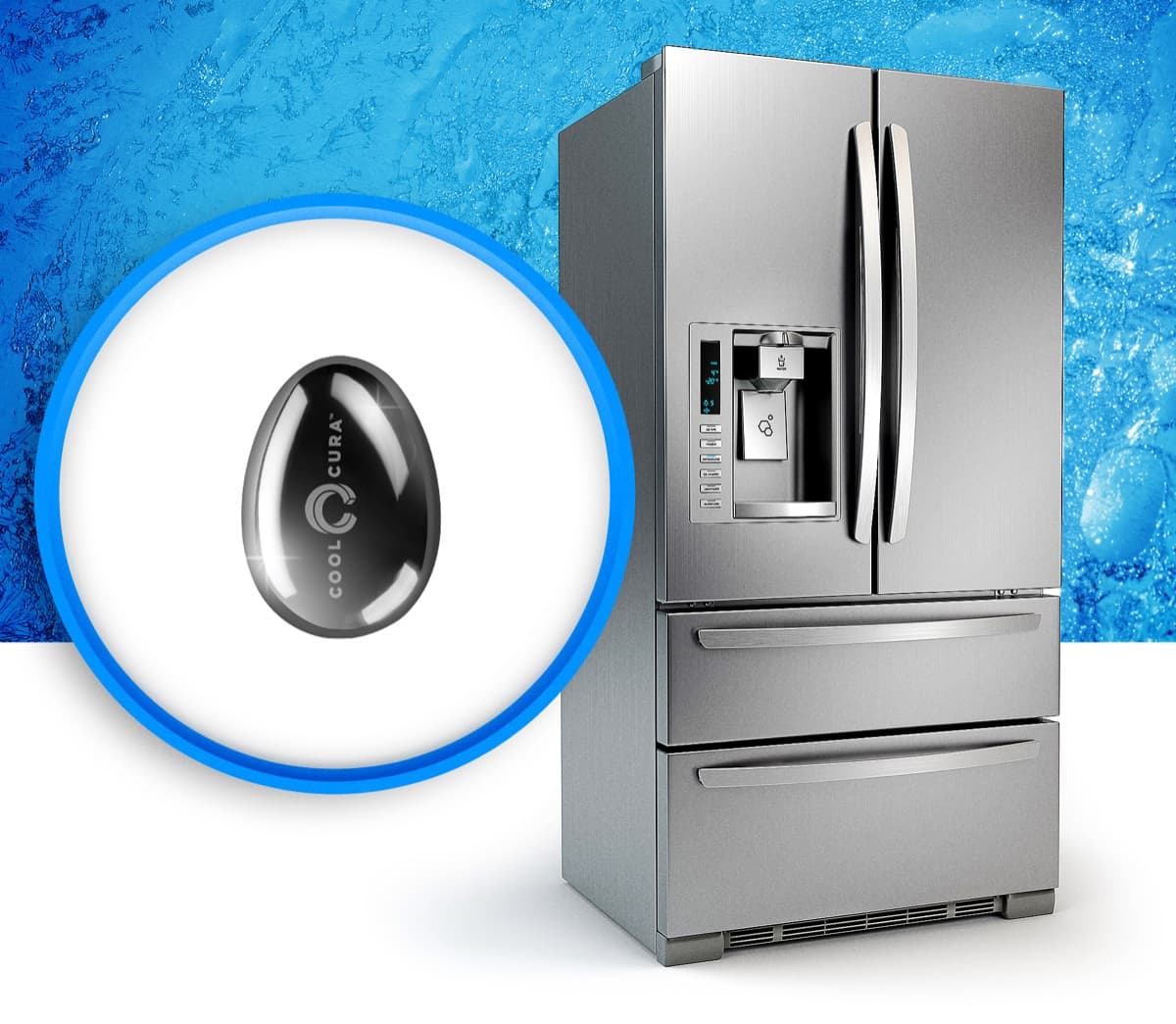
Start at the source. Tension headaches are driven by pericranial muscle contraction — the small muscles at the base of the skull (sub-occipitals), along the sides of the neck (upper trapezius and levator scapulae), and across the temples (temporalis). The single most effective drug-free move is cold pressure at the back of the neck: it constricts the local vessels, activates the diving reflex that dials down sympathetic arousal, and interrupts pain signaling via gate-control. A wrapped ice pack works; a purpose-built cold-pod neckband like the CoolCura works dramatically better because it stays in place hands-free and sits precisely on the occipital zone where the tension originates.
Then work the upper traps. Two minutes of firm pressure on the meaty muscle between neck and shoulder — a tennis ball against a wall, or your own opposite-side thumb pressed hard into the knot — reliably eases the referred pain that presents as a headache. Add a slow forward-fold: sit at the edge of a chair, let your head hang toward your knees, breathe for 90 seconds. The stretch decompresses the cervical spine and pulls tension out of the upper back. If your headache has a stress component (which most do), giving your hands something to focus on with a tactile grounding object like the Chill Pill works quietly — slow thumb-strokes on cool metal lower the sympathetic drive that's tightening the muscles in the first place. Total time to noticeable relief: usually 10-15 minutes.
Cold or heat — matching the therapy to the headache
Both work; the trick is knowing which for which. Cold is better for the acute, throbbing, 'my head is pounding' variety and for anything with a vascular component. It constricts dilated blood vessels, numbs pain receptors, and blunts light and sound sensitivity — which is why every published cold-cap study on migraines from Diamond's 1986 trial forward has shown symptom relief within 25 minutes. Apply cold at the back of the neck (targets the whole system) or on the temples and forehead (targets the local pain). A wrap that does both at once, like the freezable TheraICE headache hat, covers the range in one pull-on.
Heat is better for the dull, band-like, 'my muscles are tight' variety — the classic tension headache. Warmth relaxes the pericranial and cervical muscles whose sustained contraction is causing the pain in the first place; it also helps if a sinus-pressure component is involved. A microwaved rice bag on the upper traps, a warm shower spraying the base of your skull for five minutes, or the same wraps run warm instead of cold all deliver the effect. The TheraICE headache hat can be microwaved for exactly this reason — one wrap covers both jobs. Rule of thumb: throbbing, one-sided, light-sensitive → cold. Dull, both-sided, muscle-tight → heat. Not sure? Start with cold; wrong choice never causes harm, just less relief.
The daily habits that stop the next one before it starts
Prevention beats treatment for anyone getting more than a headache or two a month. The top four preventable triggers, in order of impact for most people: dehydration (aim for pale-yellow urine most of the day — coffee doesn't count against your water total but doesn't fully replace it either), poor sleep (fewer than 6 hours or highly variable timing is a strong headache trigger), sustained screen-forward posture (your head weighs 10-12 lb; each inch it drifts forward of your shoulders adds ~10 lb of load on the cervical muscles), and skipped meals (blood sugar dips are a common trigger, especially in the afternoon). Fixing those four covers most people's baseline risk.
For screen-driven tension headaches specifically — the most common modern flavor — three ergonomic changes matter more than any headache product: raise your monitor so the top of the screen sits at or just below eye level; move it back to arm's length; and use the 20-20-20 rule (every 20 minutes, look at something 20 feet away for 20 seconds) to reset your eyes and neck. Our how to organize cables on desk guide covers the physical setup end of this, and adding a proper monitor riser is often the single change that drops headache frequency by half. Also worth considering: a set of blue-light-blocking glasses if your headaches cluster in the second half of long screen days, a wearable Kailo drug-free pain patch positioned on the upper trap during long meetings, and consistent hydration through a bottle that actually stays with you.
When your 'tension headache' is actually something else
Tension headaches feel identifiable, but a handful of other pain patterns wear the same disguise, and some of them are worth ruling out. Cervicogenic headaches originate from a specific joint or muscle in the neck and often present as one-sided, dull-throbbing pain that starts at the base of the skull and spreads forward — they respond to physical therapy or chiropractic more than to any headache tool. Sinus headaches involve pressure over the forehead, cheeks or bridge of the nose, worsen when you bend forward, and usually come with congestion or a recent cold; warmth on the sinuses helps, but if it lingers past two weeks it's an ENT visit, not a headache one. Ocular tension headaches from an uncorrected prescription tend to worsen through the day and improve when you close your eyes — an eye exam is the fix, not a cold pack.
The red flags that mean stop reading and see a doctor, urgently: the worst headache of your life; a headache that came on suddenly like a thunderclap; a headache with fever, stiff neck, or a rash; a headache with vision changes, weakness, numbness, or trouble speaking; a headache after a head injury; a headache that's steadily worsening over days or weeks; a headache pattern that's genuinely new after age 50; a headache that woke you from sleep. None of these are tension headaches, and none of them are DIY-fixable. Anything else — headaches you've had before, mild-to-moderate, in the family of what this guide describes — is the tension-type story, and the drug-free playbook above is the right first move.
The small at-home toolkit that makes the drug-free approach stick
The reason most people give up on non-medication headache relief is friction — reaching for a pill takes 10 seconds; setting up an ice pack, running a shower, or booking a massage takes real effort at exactly the moment you least want to make it. A compact home kit removes the friction. The three items that cover the majority of tension-headache episodes: a hands-free cold neckband like the CoolCura that lives in the fridge or freezer ready to grab, a freezable/microwaveable full-head wrap like the TheraICE headache hat for anything more intense, and a reusable Kailo pain relief patch for the shoulder or upper-back trigger point that keeps feeding the headache — placement takes a minute to dial in but once you find your spot, it's minutes to relief.
Round out the routine with the workflow tools rather than more headache products: a good water bottle you actually use, a lacrosse ball for self-massage against the wall ($5 at any sporting-goods store), a proper monitor riser or laptop stand for the desk, and a bedtime routine that reliably puts you asleep before midnight — our how to fix sleep schedule guide covers the wind-down side. Ibuprofen is still fine as a backup for genuinely bad days; it's just no longer the default response. If you get to a place where you're using the toolkit two or three times a week and still hitting a wall, that's a signal your headache pattern warrants a doctor's read — chronic tension-type headache is a real diagnosis with real preventive treatments, and there's no reward for muddling through alone.
Read our CoolCura review
The hands-free cold neckband that lives in the fridge and delivers targeted cold to the base of the skull — the specific spot that quiets tension headaches, hot flashes and screen-neck tightness without a pill.
Read our CoolCura reviewFrequently asked questions
What actually stops a tension headache without medication?
The two-move combo that works fastest for most people: cold pressure on the back of the neck for 10-15 minutes (a wrapped ice pack, or a hands-free cold neckband like the CoolCura), plus firm pressure on the upper trapezius muscle between neck and shoulder for two minutes. Add a slow forward-fold from a seated position to decompress the cervical spine, and about three-quarters of tension headaches ease within 15 minutes. Warmth on the same neck-and-upper-back area works too, and is often better for the dull, band-like flavor of tension headache. Cold suits the throbbing, acute versions.
Is it better to use cold or heat for a tension headache?
Match the therapy to the headache. Cold is better for throbbing, one-sided, light-sensitive pain — the vascular flavor. It constricts dilated vessels and numbs pain receptors, and every controlled trial on cold-cap therapy for migraines has shown symptom relief within about 25 minutes. Heat is better for dull, band-like, both-sided pain — the muscular flavor. Warmth relaxes the pericranial and cervical muscles whose sustained contraction is causing most tension headaches. A wrap like the TheraICE headache hat works both ways — freeze it for the cold version, microwave it for the warm one.
Why does pressing on my shoulders help a headache?
Because a large fraction of tension headaches are actually referred pain from the upper trapezius and levator scapulae muscles between your neck and shoulders. Those muscles develop trigger points from screen-forward posture, phone-cradling, and stress; the referred pain pattern from an upper-trap trigger point classically shows up as a headache along the same side of the head. Two minutes of firm sustained pressure on the knot — a tennis ball against a wall, your opposite-side thumb, or a wearable Kailo pain relief patch placed directly over the tender spot — releases the trigger point and often ends the headache with it.
How often can I take ibuprofen for headaches before it becomes a problem?
The clinical guideline for medication-overuse headache is fewer than 10 days per month for simple analgesics (ibuprofen, acetaminophen, naproxen), and fewer than 10 days per month for combination products or triptans. Beyond that, the medication itself starts causing headaches — a paradoxical rebound pattern where the drug you took for pain becomes the reason for the next one. If you're taking painkillers for headaches more than about twice a week, that's the signal to build a drug-free toolkit and see a doctor about what's driving the frequency. Chronic tension-type headache has genuine preventive treatments that don't rely on daily NSAIDs.
Can dehydration cause tension headaches?
Yes — dehydration is one of the most common preventable triggers. Even mild dehydration (a 1-2% drop in body water) can trigger a headache in susceptible people, likely via a combination of reduced blood volume, mild electrolyte imbalance, and brain-tissue changes. Aim for pale-yellow urine most of the day as the practical target. Coffee doesn't count against your water total (recent studies dispute the old 'caffeine is dehydrating' claim), but it doesn't fully replace plain water either. If you get afternoon headaches on desk-work days, try drinking an extra 500 ml in the morning for a week and see if the pattern shifts.
Why do I get tension headaches after long screen days?
Two mechanisms compound. First, sustained screen-forward posture — your head drifting even an inch forward of your shoulders adds roughly 10 pounds of load on the cervical muscles — causes chronic contraction of the neck and upper-back muscles that generate tension headaches. Second, prolonged near-focus fatigues the small muscles inside and around the eyes, which refer pain to the forehead and temples. Three ergonomic fixes cut screen-driven headache frequency by about half in most people: raise the monitor so the top edge is at eye level, move it back to arm's length, and use the 20-20-20 rule (every 20 minutes, look at something 20 feet away for 20 seconds). See our how to organize cables on desk guide for the physical-setup half of this.
When should a tension headache actually be taken seriously?
See a doctor promptly for any of these: the worst headache of your life; sudden thunderclap onset; a headache with fever, stiff neck, or rash; vision changes, weakness, numbness, or trouble speaking; a headache after a head injury; a headache that's steadily worsening over days or weeks; a new headache pattern after age 50; a headache that woke you from sleep. None of these are tension headaches. And even without red flags, if you're getting more than 4-5 headaches a month or your quality of life is affected, that's a legitimate reason to see your primary-care doctor or a neurologist — chronic tension-type headache and migraine both have real preventive treatments that muddle-through management doesn't access.
TopCrate is reader-supported. When you buy through links on our site we may earn an affiliate commission, at no extra cost to you. Content is for general information and isn't a substitute for professional advice.