SLEEP 101
How to Fix Your Sleep Schedule: A Realistic 2-Week Plan
Your body clock resets from the morning, not the night — here's the evidence-backed way to fix a drifted sleep schedule, and the popular shortcuts that backfire.
If you're falling asleep at 2am and dragging yourself up at 7, you don't have a bedtime problem — you have a body-clock problem. And the counterintuitive part is that you fix it from the morning, not the night. Lying in bed earlier while wide awake just teaches your brain that bed is where you go to stare at the ceiling.
This guide covers what actually moves your internal clock: a fixed wake time, bright light in the morning, dim light at night, and a gradual shift instead of heroics. We'll also cover caffeine timing, naps, the all-nighter myth, an honest take on melatonin, and the signs that what you have isn't a schedule problem at all.
Why your sleep schedule drifts in the first place
Your internal clock doesn't run on exactly 24 hours — for most people it runs slightly longer. Left alone, it drifts later, and modern life gives it every excuse: bright screens at midnight, dim offices all day, and weekends where you sleep in until 11. Sleep researchers call that last one social jet lag — staying up and sleeping in on your days off shifts your clock the same way flying two time zones west would, and then Monday morning feels like an international arrival.
Shift work, late-night gaming sessions, a stretch of vacation, one bad bout of stress — they all push the clock the same direction: later. The good news is that the same machinery that let your schedule drift can be steered back on purpose. It just responds to consistency and light, not willpower at 11pm.
Fix your wake time first — yes, even on weekends
If you change only one thing, make it this: pick a wake time you can live with seven days a week, and hit it every day. Not bedtime — wake time. Your bedtime is a suggestion your body may ignore; your wake time is something you actually control with an alarm. Anchor the morning and the nights fall into line on their own, because waking at the same time builds sleep pressure on a predictable rhythm and you start getting sleepy at a consistent hour without forcing it.
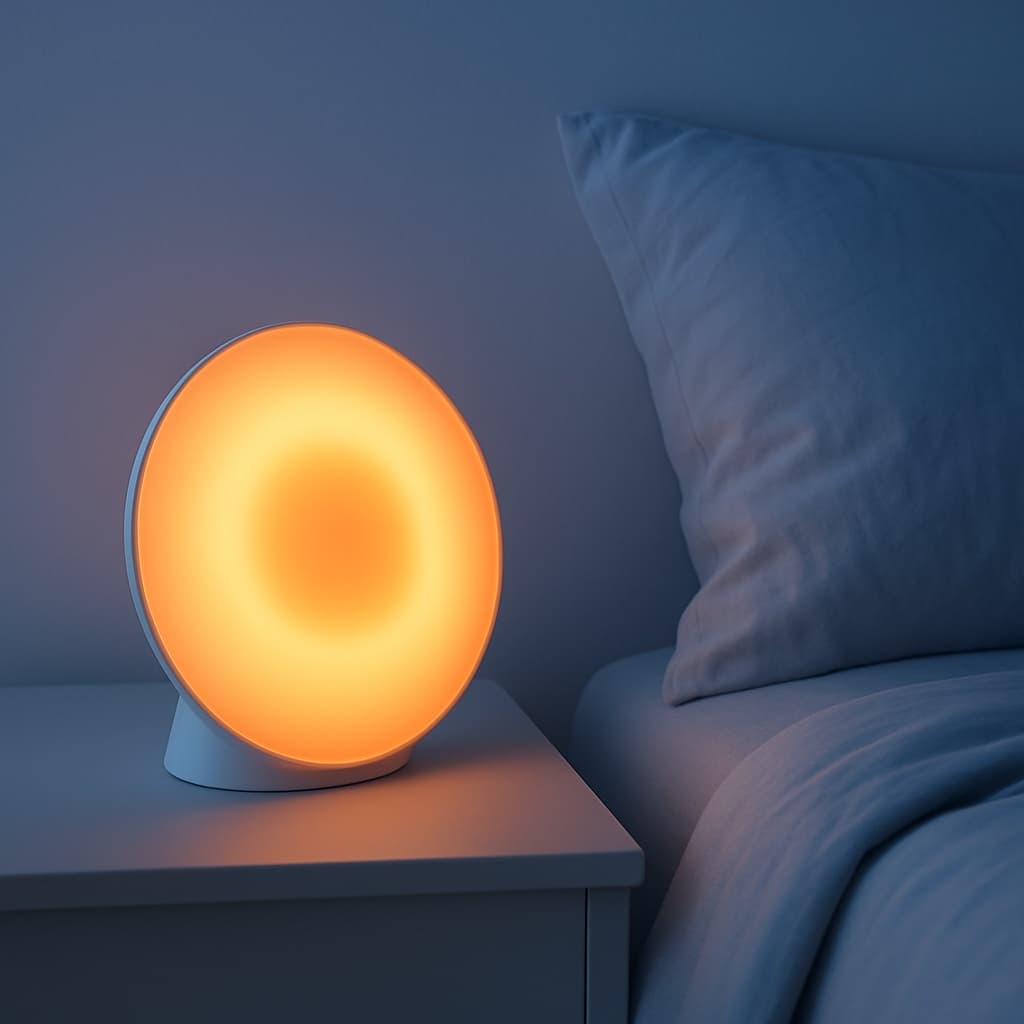
Weekends are where schedules go to die. Sleeping in until 10 on Saturday feels like recovery, but it un-anchors the clock you spent all week setting. Keep weekend wake-ups within about an hour of weekdays. A sunrise alarm like the Hatch Restore can take some of the sting out of it — waking to gradually brightening light is a gentler way to hold a fixed wake time than a phone alarm shrieking in the dark.
Use light like a lever: bright mornings, dim nights
Light is the main signal your body clock uses to set itself, and timing is everything. Bright light within an hour of waking tells your brain the day has started and nudges your whole rhythm earlier. Outdoor light is the strongest version of this signal — even an overcast sky is far brighter than indoor lighting — so a ten-minute walk, coffee on the balcony, or breakfast by a bright window is a genuine circadian intervention, not just a pleasant habit.
Evenings are the same lever pulled the other way. Bright light late at night tells your clock the day isn't over, which delays sleepiness. Dim your home lighting in the last couple of hours before bed and keep screens modest. And an honest note on screens: it's not only the glow. A phone in bed is also an endless feed engineered to keep you engaged, and the scrolling delays your bedtime at least as much as the light does. Dimming your screen while watching one more episode until 1am is not a loophole.
Shift gradually — and skip the all-nighter 'reset'
Your clock moves in small steps, not leaps. Shift your wake time 15 to 30 minutes earlier every day or two and let your bedtime follow, rather than attempting a heroic four-hour jump on night one. A four-hour drift takes roughly one to two weeks to walk back — slower than you'd like, but it actually sticks, which the dramatic version doesn't.
The most popular dramatic version is the all-nighter: stay up all night, be so exhausted the next evening that you crash early, wake up reborn. It doesn't work. Sleep deprivation doesn't reset your circadian clock — it just piles exhaustion on top of a clock that's still set to the wrong time. You'll sleep hard the first night, then bounce back to your old pattern within days, now with a sleep debt on top. While you're shifting, also make the earlier bedtime worth showing up for: cool, dark room, comfortable setup. If neck aches are part of what keeps you tossing, our best pillow for neck pain guide is worth a look.
Caffeine, naps, and melatonin — the honest versions
Caffeine lingers far longer than the buzz does — it takes hours for your body to clear half a dose, so a 4pm coffee is still working on you at 10. While you're resetting, set your cutoff 8 to 10 hours before your target bedtime. For an 11pm bedtime, that means last call is early afternoon. Naps follow a similar logic: a long or late nap drains the sleep pressure you need at night. Keep naps to around 20 minutes and before mid-afternoon — or skip them entirely until your schedule is stable.
Melatonin deserves a clear-eyed take, because it's widely misused. It's not a knockout pill — swallowing a large dose at midnight and waiting to get sleepy is not how it works. What melatonin actually does well is shift your clock: a small dose, around 0.5 to 1 mg, taken a few hours before your target bedtime signals your brain that night is coming and nudges your rhythm earlier. Used that way, short term, it can help a reset along. More is not better — higher doses mostly add grogginess. And because it interacts with some medications and isn't right for everyone, check with a doctor or pharmacist before making it a habit.
When it's not a schedule problem
Everything above assumes your sleep machinery works and your timing is off. Sometimes that's not the story. If you've held a consistent schedule for a few weeks and still lie awake most nights, or you wake at 3am unable to get back to sleep several times a week for months, that pattern is worth taking to a doctor — persistent insomnia has effective treatments, and none of them are on this page.
Same goes for your breathing at night. Loud snoring with gasping, choking, or pauses in breathing — often reported by a partner — plus crushing daytime sleepiness despite a full night in bed are classic signs of sleep apnea, and no wake-time discipline will fix that. Talk to a doctor; screening is straightforward. For garden-variety snoring without those red flags, our roundup of anti-snoring devices covers what actually helps.
Read our Hatch Restore review
A sunrise alarm that brightens gradually before your alarm makes a fixed wake time — the backbone of any schedule reset — a lot easier to keep.
Read our Hatch Restore reviewFrequently asked questions
How long does it take to fix a sleep schedule?
Plan on a few days for a mild drift and one to two weeks for a big one. Shifting 15 to 30 minutes per day, a schedule that's off by three or four hours takes roughly two weeks of consistent wake times and morning light to fully correct.
Should I pull an all-nighter to reset my sleep schedule?
No. Staying up all night doesn't move your circadian clock — it just adds sleep deprivation on top of bad timing. You'll crash early once, then snap back to the old pattern within days. Gradual shifts with a fixed wake time work; exhaustion stunts don't.
Does melatonin fix your sleep schedule?
It can help shift it, used correctly: a small dose (0.5–1 mg) taken a few hours before your target bedtime nudges your clock earlier. It is not a sleeping pill, and big doses at midnight mostly cause grogginess. Use it short term alongside light and a fixed wake time, and ask a doctor first.
Is it bad to sleep in on weekends?
Sleeping in more than about an hour past your weekday wake time creates 'social jet lag' — it shifts your clock later, which is why Sunday night insomnia and rough Mondays exist. Keep weekend wake-ups within an hour of weekdays and use a short early nap if you're genuinely short on sleep.
What time should I stop drinking caffeine?
Cut it off 8 to 10 hours before bedtime. Caffeine takes hours to clear, and an afternoon dose can still delay and lighten your sleep even if you fall asleep fine. For an 11pm bedtime, make early afternoon your last call.
Why is my sleep schedule fixed but I still sleep badly?
If weeks of consistent wake times, morning light, and dim evenings haven't helped — or you snore loudly with gasping or breathing pauses — the issue may be insomnia or sleep apnea rather than timing. Both are treatable, and both are conversations for a doctor, not a schedule tweak.
TopCrate is reader-supported. When you buy through links on our site we may earn an affiliate commission, at no extra cost to you. Content is for general information and isn't a substitute for professional advice.