TRENDING ON AMAZON
Vans Old Skool Classic Skate Sneaker Review: Is It Worth It?
The vulcanized-sole, side-striped low-top that's been a Vans best seller for 50 years — a genuine skate-heritage classic that also happens to be the easiest jeans-and-a-shirt sneaker you'll ever own.
Quick answer: Yes — Vans Old Skool is worth it as the low-effort, goes-with-everything casual sneaker slot in your rotation. Fifty years of design consistency, sub-$80 pricing, and genuinely versatile styling from casual to smart-casual. Drop in a good aftermarket insole and it's comfortable for daily rotation. Not the shoe for all-day walking or professional dress, but for the middle 80% of a normal week, it's the most reliable pick in casual footwear.
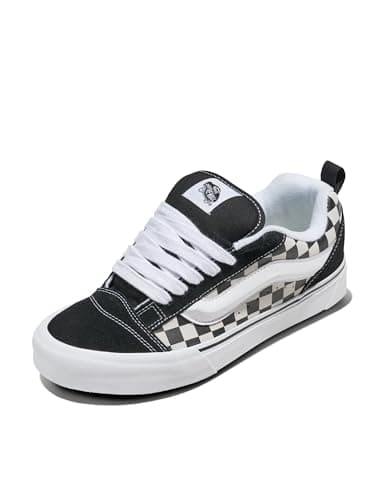
Product image from the Amazon listing.
Our verdict
Yes — Vans Old Skool is worth it as the low-effort, goes-with-everything casual sneaker slot in your rotation. Fifty years of design consistency, sub-$80 pricing, and genuinely versatile styling from casual to smart-casual. Drop in a good aftermarket insole and it's comfortable for daily rotation. Not the shoe for all-day walking or professional dress, but for the middle 80% of a normal week, it's the most reliable pick in casual footwear.
The short version
Vans Old Skool is the shoe that most people already own or are about to. The vulcanized rubber sole, canvas-and-suede upper, and instantly-recognizable Sidestripe have kept it looking exactly the same since 1977 — and that's the point. It's the low-effort, everyday sneaker that pairs with jeans, chinos, cargo pants, dresses, shorts and even a suit if the suit is the right suit. The upper breaks in fast, the waffle sole grips almost anything, and the price stays reasonable even as the rest of sneaker culture has drifted upmarket. In 2026 the Old Skool is enjoying a genuine revival — Vans re-established itself as one of the most culturally relevant lifestyle brands with releases like the Old Skool Souvenir line — but the base black-white model has never actually stopped selling.
Pros & cons
Pros
- Iconic design that's been in style for nearly 50 years
- Vulcanized sole with waffle grip — actual skate performance
- Sub-$80 for a genuine heritage classic
- Fits jeans-and-t-shirt, dresses, cargo pants — genuinely versatile
- Canvas + suede uppers break in fast, no long adjustment
- Enormous colorway and collab library
Cons
- Minimal arch support — needs an insole for all-day walking
- Flat, low-cushion sole runs firm on long days
- Canvas absorbs water fast in wet weather
Why people love it
Vulcanized construction
Rubber sole is heat-bonded (vulcanized) to a canvas-and-suede upper, giving the shoe its distinctive flexibility, board feel and waffle-pattern grip — the same construction Vans has used since the '70s.
Break-in in a week
Canvas softens in a few days of wear; the suede toe cap and heel cup mold to your foot over a week. Most Old Skools feel best after roughly 20 miles of walking-around wear, then coast comfortably for years.
True-to-size or size down
Vans tend to run slightly roomy — most people fit their standard sneaker size, but wide-foot wearers usually stay at size and narrow-foot wearers often go a half-size down. Try before you commit if it's your first pair.
Who it's for
- Anyone who wants one sneaker for casual daily wear
- Skateboarders and skate-adjacent style
- College and post-college dressing
- Sneaker collections that already have the athletic shoes covered
Why the Vans Old Skool has stayed a bestseller for nearly 50 years
The Old Skool arrived in 1977 as Vans style #36 — the first Vans model to have the now-iconic Sidestripe, added originally as a spray-painted flourish by Vans co-founder Paul Van Doren. It was designed as a skate shoe with a reinforced sidewall to handle the toe drag of ollies and grinds, and its vulcanized sole gave riders the board feel that skating from a hard-molded 1970s sneaker didn't. Fifty years later, essentially the same shoe still shows up in Vans' bestseller lists on Amazon, at Zappos and in the brand's own retail stores — with over 100 official colorways at any given time and constant collab drops with brands ranging from A$AP Rocky to Peanuts to Marvel.
The design's staying power comes from three things: it's genuinely functional (the waffle sole grips, the reinforced toe box lasts, the padded collar is comfortable), it's affordable ($75-90 range for a classic model has held remarkably steady even against inflation elsewhere in the sneaker market), and it's completely un-tied to any single trend — the Old Skool has been counter-culture, mainstream, retro, current, and streetwear-adjacent all at various points, and it still works. In 2026 the Old Skool is enjoying a genuine revival as Vans has re-invested in cultural relevance with releases like the Old Skool Souvenir line, but the base black-white classic hasn't stopped selling in the meantime.
Sizing, comfort and the aftermarket insole that transforms Old Skools
The biggest complaint about Vans Old Skool from people who love the look but not the feel is arch support and long-day comfort. The stock insole is thin foam over a flat cardboard midsole — fine for a few hours, tiring for eight-hour retail shifts or a full day of walking around a city. The single upgrade that fixes this: swap the stock insole for an aftermarket one. Superfeet Green is the standard recommendation (real arch support, firm foam, roughly $50), Powerstep Pinnacle is slightly softer and cheaper, and a memory-foam Sof Sole Athlete works if you mainly want more cushion. Any of them slots straight into the Old Skool with no modification and adds hours to how long the shoe stays comfortable in a day.
On sizing, the community consensus is: order your standard sneaker size for a regular fit. If you have narrow feet, size down half — Vans naturally run slightly roomy in the mid-foot. If you have wide feet, stay at your size or half-size up. The vulcanized construction and canvas break in noticeably over the first 20 miles of wear, and the shoe genuinely feels better a month in than out of the box. For anyone whose feet demand more support than any insole can add, the Old Skool won't ever be their all-day shoe — that role belongs to something like Hoka Clifton or Brooks Ghost 16. But as the casual-shoe slot in a wardrobe, the Old Skool with a good insole is genuinely comfortable enough for daily rotation.
How to actually wear Vans Old Skool: styling that works past age 25
The stereotype of the Old Skool is teenage skater with a hoodie, and that outfit still works. But the shoe's genuine versatility shows up when you dress up rather than down. The black-and-white base pairs comfortably with dark jeans and a button-down for casual Friday, chinos and a cardigan for a low-key date, and — with a slim charcoal or grey suit and no tie — even works as an alternative to loafers for a relaxed office. The trick is picking the colorway to match how dressed-up you want to look: all-black or all-white leans more grown-up and formal; the classic black-with-white-stripe reads casual; the vintage-color and collab drops read distinctly streetwear.
For women, the Old Skool has become an unexpected go-with-almost-anything shoe: it pairs with everything from mom jeans to slip dresses to leggings, and the low-profile keeps the outfit balance easy. Skirt-wearers often size down slightly for a more feminine proportion. Common pairings that work: white Old Skool + midi dress + denim jacket; black Old Skool + straight-leg jeans + oversized blazer; checkerboard + black Levi's 501 + white tee. The shoe is deliberately simple enough that it doesn't fight whatever you put with it, which is why it's ended up in so many closets. Pair with a heritage-cotton daily like a good Grip6 belt or a plain white tee stack and you've got a look that reads across a wide range of contexts without much effort.
See Vans Old Skool on Amazon
Check the latest price, photos and buyer reviews on Amazon.
Check Price on Amazon →Sold and shipped by AmazonFrequently asked questions
Are vans actually worth the hype?
For the Old Skool specifically, yes — with a caveat that reframes the hype question. The Old Skool is not competing on cushion, arch support or heat-of-the-moment trend cycles; it's competing on being the sneaker that still looks right five years after you buy it. Fifty years of unchanged silhouette, sub-$80 pricing that has genuinely held against sneaker-market inflation, waffle-sole grip that works for skating and standing around alike, and styling versatility from jeans-and-a-shirt to slim charcoal suit — that's the value the hype is describing. What it isn't: a walking shoe, a running shoe, or a substitute for real orthopedic support (drop in a Superfeet Green insole and the comfort gap for daily rotation basically closes). Judge Old Skool Vans on the low-effort casual sneaker job and they earn the hype; judge them as an all-day comfort shoe and you'll walk away confused.
Are old skool Vans worth it?
Yes, if you want a low-effort casual sneaker with heritage and versatility rather than pure walking cushion — that's the specific job the Old Skool has done for nearly 50 years. Under $80 gets you a vulcanized-sole, canvas-and-suede low-top that goes with jeans, chinos, dresses, cargo pants and even smart-casual outfits, plus a waffle grip that's genuinely functional for skating and everyday wear. The trade-off is honest: the flat, low-cushion sole isn't built for 8-hour retail shifts, and long-distance walking is where competitors like On Cloud 5 or Hoka Clifton win. Drop in a Superfeet Green or Powerstep Pinnacle insole and even the comfort gap closes for daily rotation. For the middle 80% of a normal week — errands, coffee, casual Friday, weekends — Old Skool is one of the highest-value picks in casual footwear.
Do Vans Old Skools run big or small?
They run true-to-slightly-large for most people. The consensus is: order your standard sneaker size for a regular fit, size down half if you have narrow feet, and stay at size (or size up half for wide feet) if you're between sizes. The insole footbed is fairly wide, which is why they feel roomy — and why aftermarket insoles fit so well in them. If you're between Vans styles, note that the Old Skool tends to fit slightly slimmer through the mid-foot than the Slip-On but roomier than the Sk8-Hi.
Are Vans Old Skool comfortable for all-day walking?
Comfortable for casual daily wear (walking a mile or two, standing at a shop or a class, running errands), but not built for long-distance walking or standing 8+ hours. The vulcanized sole is thin, firm and flat — great for board feel and grip, less great for cushioning heel strikes over miles. If you love the look but need more comfort, drop in an aftermarket insole (Superfeet Green, Powerstep Pinnacle, or a memory-foam replacement insole all fit well and transform the comfort). For pure walking comfort in the same casual-shoe slot, look at On Cloud 5 or Hoka Clifton — but those aren't the same style vibe.
Vans Old Skool vs Sk8-Hi vs Authentic vs Slip-On: which one?
Old Skool is the do-everything mid-low with the Sidestripe — the safest pick and the most versatile. Sk8-Hi is the same shoe silhouette but with a padded ankle collar — better for skateboarding and cold weather, slightly harder to pair with pants. Authentic is the original Vans, thinner and no side stripe — the summer-y minimalist choice for people who want a plainer look. Slip-On has no laces and a checkerboard heritage — easiest on-and-off but least ankle support. Most people who buy one Vans buy the Old Skool; most who buy a second buy the Slip-On for slip-on convenience or the Authentic for a subtler look.
Are Vans Old Skool actually good skate shoes, or is it just fashion now?
Genuinely functional. The vulcanized sole gives excellent board feel, the reinforced toe cap holds up to grip tape, and the padded collar protects the ankle from impact. The Vans Skate Old Skool is the pro-line variant with SickStick rubber compound and DuraCap reinforcements — a legitimately serious skate shoe. The classic Old Skool works fine for skateboarding at a casual and intermediate level; heavy skaters typically upgrade to the Skate Old Skool for better durability at the ollie wear spots. Either way, calling Vans 'fashion only' misreads history — the design was skate-first from the beginning.
How do I clean Vans Old Skool without ruining them?
For canvas and suede uppers: skip the washing machine (breaks down the vulcanization and can crack the sole). Spot-clean with a soft brush, mild soap and lukewarm water for the canvas. For the suede, use a suede brush dry first, then a suede eraser for stubborn marks; avoid soaking the suede. Waterproof both surfaces from new with a fluoropolymer waterproofing spray — one application at purchase makes the shoes shed the light rain and mud that would otherwise stain them. Air-dry only, never in a dryer or in direct sun. Replace the laces every year or so and the shoe genuinely lasts many years.
Vans Old Skool vs Converse Chuck 70 vs Adidas Samba: how do they compare?
Three lifestyle-heritage classics with distinct feels. Vans Old Skool: waffle rubber sole, side stripe, best all-around casual sneaker for jeans and t-shirt. Converse Chuck 70 (reissue of the '70s Chuck Taylor): flatter and thinner sole, higher canvas cut on the mid, more skater/DIY vibe, generally less comfortable straight out of the box. Adidas Samba: leather upper with T-toe overlay, gum sole, indoor-soccer heritage, the current 'trendy' pick for European-style casual dress. Vans Old Skool is the safest pick for someone who wants an easy black-or-white low-top that goes with everything. Samba is the pick for right-now trend. Chuck 70 is the artier, less-comfortable option. Most sneaker rotations end up with all three eventually.
As an Amazon Associate, TopCrate earns from qualifying purchases at no extra cost to you. Product image, price, availability and ratings are shown on Amazon and are subject to change.
More reviews you might like
SKINCARE
Celimax Vita-A Retinal Shot Review: Best K-Beauty Retinal for Sensitive Skin?
SPORTS
Body Glide Original Review: The Anti-Chafe Balm That Actually Works
SKINCARE
Foreo Luna Mini 3 Review: Is the Silicone Cleansing Brush Worth It?
SKINCARE