TRENDING ON AMAZON
Brooks Ghost 16 Neutral Road Running Shoe Review: Is It Worth It?
Brooks's 16th iteration of the shoe that's owned the 'safe pick daily trainer' category for 15 straight years — new DNA Loft v3 nitrogen foam makes the softest, springiest Ghost yet, without changing the reliable fit runners already trust.
Quick answer: Yes — the Brooks Ghost 16 is worth it, and it's the shoe we'd recommend to new runners, everyday runners, and anyone shopping their first pair of Brooks. The new nitrogen-infused DNA Loft v3 midsole makes it the softest and springiest Ghost yet without giving up the reliable fit, durability and everyday-usefulness that's made the Ghost the most-recommended daily trainer for 15 years straight. Not exciting, not the fastest shoe on the shelf — just the one that will work for you.
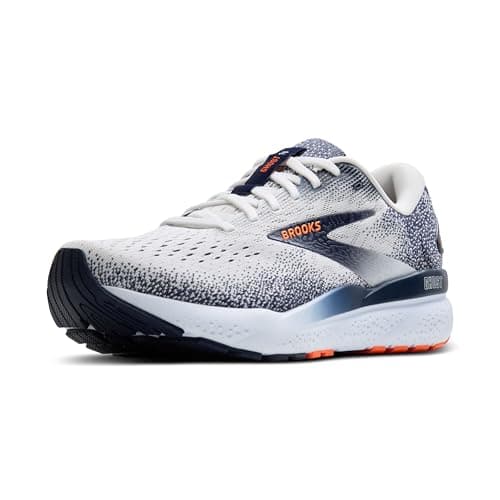
Product image from the Amazon listing.
Our verdict
Yes — the Brooks Ghost 16 is worth it, and it's the shoe we'd recommend to new runners, everyday runners, and anyone shopping their first pair of Brooks. The new nitrogen-infused DNA Loft v3 midsole makes it the softest and springiest Ghost yet without giving up the reliable fit, durability and everyday-usefulness that's made the Ghost the most-recommended daily trainer for 15 years straight. Not exciting, not the fastest shoe on the shelf — just the one that will work for you.
The short version
The Brooks Ghost is the shoe reviewers and running-store staff have quietly recommended more than any other for the last decade — not because it's exciting, but because it fits more feet, does more miles, and disappoints fewer runners than any other daily trainer. The Ghost 16 is a real upgrade to that formula: Brooks swapped the older DNA Loft foam for the new nitrogen-infused DNA Loft v3, which is 10% lighter, noticeably softer underfoot and slightly bouncier without going full super-shoe. Everything else stays: the neutral 12mm heel-to-toe drop, the roomy but not sloppy toe box, the durable rubber outsole that lasts 400-500 miles. It's still the pick for new runners, everyday runners, treadmill runners, dog-walkers-in-running-shoes, and anyone who wants a shoe that will just work.
Pros & cons
Pros
- New DNA Loft v3 nitrogen foam is softer and bouncier than v2
- Roomy toe box fits wide feet without pinching
- 400-500 mile durability from the rubber outsole
- 12mm heel-to-toe drop is friendly to heel-strikers
- Genuinely comfortable for walking as well as running
- Widely available in wide and extra-wide widths
Cons
- Not as exciting or springy as super-shoes with carbon plates
- Slightly heavier than racing-focused trainers (~9.5 oz men's)
- Aesthetic is conservative — 'dad-runner' colorways dominate
Why people love it
Nitrogen-infused DNA Loft v3 midsole
Brooks's new midsole foam has nitrogen bubbles infused during manufacturing, making it lighter and springier than traditional EVA-based Ghost midsoles from earlier generations.
12mm heel-to-toe drop for heel strikers
The higher heel drop cushions the landing pattern of the ~70% of runners who heel-strike, reducing calf and Achilles strain compared to lower-drop shoes.
Rubber outsole for real-world durability
A rubber outsole with strategic segment pattern lasts 400-500 miles on road and treadmill surfaces — noticeably longer than max-cushion or carbon-plated race shoes.
Who it's for
- New runners building base mileage
- Everyday runners logging 20-40 miles per week
- Treadmill runners and gym cardio
- Anyone with wider feet or high-volume midfoot
What makes the Brooks Ghost the most-recommended daily trainer, and why the 16 keeps that streak going
The Brooks Ghost has been running store staff's most-recommended shoe to new runners for over a decade, and the reason isn't marketing — it's boring reliability. Every version of the Ghost hits the same specific brief: a neutral trainer with a 12mm drop, moderate cushioning that's forgiving without being unstable, a wide-enough toe box that works for most feet, and a durable outsole that lasts 400+ miles. That's a shoe you can safely put a new runner in without knowing anything about their gait or history — it'll work for the vast majority of them. Combine that reliability with Brooks's excellent quality control (rare defects, consistent fit run-to-run), returns policy at running specialty stores, and the fact that the Ghost is stocked in every running store in the country, and it's the shoe everyone can recommend without hedging.
The Ghost 16 continues this pattern with one meaningful upgrade: the new DNA Loft v3 midsole. Nitrogen-infused foam is the biggest midsole innovation of the past few years (Nike's ZoomX, Adidas's Lightstrike Pro, ASICS's FF Blast Plus all use variations of the technology), and Brooks bringing it to the Ghost is a real generational leap. The result is a shoe that feels ~10% lighter and noticeably softer without losing the Ghost's characteristic stability. It's not a super-shoe (no carbon plate, no unstable rocker), but it's the softest and springiest a Ghost has ever felt. If you loved earlier Ghosts, you'll love this one. If you found earlier Ghosts too firm, the 16 is the version worth trying again. For long-day feet that hurt from standing on hard floors, the HOKA Bondi 8 has even more max-cushion — but for actual running, the Ghost 16 hits the balance better.
Building a two-shoe rotation with the Ghost 16 as your foundation
Serious runners logging 30+ miles per week benefit dramatically from rotating between two pairs of shoes rather than wearing one pair every run. The reasons are well-documented in sports science research: alternating shoes lets midsole foam recover between wears (extending shoe lifespan by 20-30%), reduces repetitive stress injuries by changing the exact load pattern on your feet, and lets you match the shoe to the workout — soft cushion for recovery runs, faster shoe for workouts.
The ideal rotation with the Ghost 16 as foundation: pair it with a workout-focused faster shoe (Brooks Hyperion Tempo, Saucony Endorphin Speed, Nike Vaporfly 3) for tempo runs and races once a week, or with a max-cushion long-run shoe (Brooks Glycerin 22, HOKA Clifton 9, ASICS Nimbus 26) for weekend long runs. Use the Ghost 16 for the ~60-70% of your mileage that's easy base building and recovery runs — the everyday running that makes up the bulk of a running schedule. Rotating two shoes typically extends the lifespan of each from 400-500 miles to 600-700+ miles of combined use, saving money over the long term. If you're a treadmill-only runner, one pair is fine — treadmill wear is much slower than road wear.
How to make Brooks Ghost 16s last 500+ miles and avoid common runner injuries
The two biggest determinants of shoe lifespan are how you store them (dry, off the ground, laces loose) and whether you rotate — a rotated shoe lasts 20-30% longer than one worn every day. Never put running shoes in the dryer, never leave them wet in a gym bag, and never store them in direct sunlight. If they get wet, stuff with newspaper and air-dry at room temperature. For treadmill runners, wipe the outsole after runs to remove dust and grit that accelerates outsole wear.
On injury prevention, the Ghost's forgiving fit and neutral geometry make it one of the safer options for building base mileage. That said, most running injuries come from ramping mileage too fast rather than shoe choice — the classic '10% rule' (don't increase weekly mileage by more than 10% per week) is genuinely important for new runners. Also: don't run in dead shoes. Runners often develop shin splints, plantar fasciitis or knee pain from continuing to run in shoes past 500 miles that have lost their cushioning. Track your mileage in Strava, Nike Run Club or a spreadsheet, and retire shoes at 500 miles even if they look fine. And pair your running with proper recovery — a foam roller session or a walk with a partner both help — sitting on the couch immediately after a hard run is the fastest way to feel stiff the next morning.
See Brooks Ghost 16 on Amazon
Check the latest price, photos and buyer reviews on Amazon.
Check Price on Amazon →Sold and shipped by AmazonFrequently asked questions
Is the Brooks Ghost 16 worth it, and what's changed from the Ghost 15?
Yes — the Ghost 16 is worth buying over discounted Ghost 15s if you want the softer, slightly springier ride the new nitrogen-infused DNA Loft v3 foam delivers. The 16 keeps the Ghost's DNA (neutral 12mm drop, roomy toe box, 400+ mile durability) but the midsole feels genuinely different: softer landing, better toe-off energy return, and about 10% lighter. If you already own Ghost 15s and love them, keep running your 15s until they wear out — no urgent need to upgrade. If you're buying fresh in 2026, or upgrading from an older Ghost or a shoe from another brand, the 16 is the right buy. Runners who've tried both consistently describe the 16 as 'the best Ghost yet.'
Brooks Ghost 16 vs HOKA Clifton vs Nike Pegasus: which everyday trainer should I buy?
Three near-tied top picks with different personalities. Brooks Ghost 16 is the safest, most universally-fitting pick — 12mm drop for heel strikers, roomy toe box, moderate softness, best for new runners and moderate-mileage everyday running. HOKA Clifton is the max-cushion pick — softest ride of the three, best for tired feet after long days or long runs, but the huge stack height feels tippy to some runners and the drop is lower (5mm) which some heel-strikers find awkward. Nike Pegasus is the responsive-and-firm pick — best for faster daily miles and workouts, but firmer than the Ghost and less forgiving for beginners. Pick Ghost 16 if you're new or want something that just works. Pick HOKA Clifton if you want max cushion. Pick Pegasus if you're already an experienced runner wanting a slightly quicker feel.
How long do Brooks Ghost 16 shoes last?
400-500 miles for most runners, which is on the longer end of daily-trainer lifespan. That translates to 5-8 months of consistent 20-30 miles per week running, or a full year of casual 10-mile weeks. Signs you need to replace them: the midsole foam feels dead and unresponsive, the outsole rubber shows deep wear patterns, or you start feeling new aches in your shins, knees or hips that weren't there before. Some runners use a mileage-tracking app to log shoe distance and retire at exactly 500 miles; others just replace when the shoe feels dead. Retired shoes make great walking, gym, or casual wear for another year — the outsole outlasts the midsole cushioning.
Does the Brooks Ghost 16 run true to size, and how does it fit wide feet?
True to size for most runners — order your normal shoe size. The Ghost's toe box is famously roomy without being sloppy, which is why it fits wide feet unusually well among mainstream trainers. Brooks also offers the Ghost in wide (2E for men, D for women) and extra-wide (4E for men) at most running specialty stores and on Amazon, which most competing brands don't. If you've historically had trouble with narrow toe boxes causing black toenails, hot spots on your pinky toe, or numbness on long runs, the Ghost's fit will feel notably better. If you have very narrow feet, the Ghost may feel a touch loose — try a half size down or consider the Brooks Launch, which fits narrower.
Can I use the Brooks Ghost 16 for both running and walking?
Yes — the Ghost 16's cushioning, roomy fit and durable outsole make it one of the best crossover shoes for people who mix running and walking. Nurses, teachers, restaurant workers and warehouse employees regularly buy the Ghost specifically as a comfortable all-day shoe rather than for running. The 12mm heel-to-toe drop is friendly for walking heel-strike patterns; the DNA Loft v3 foam absorbs impact on hard floors; and the neutral fit doesn't try to correct your natural gait, which prevents the foot pain that comes from wearing motion-control running shoes for casual walking. If you're primarily walking rather than running, the Ghost is a legitimate pick and will last longer since walking wears the outsole slower.
Is the Ghost 16 good for beginners, or should new runners buy something else?
The Ghost 16 is the shoe most running-store staff recommend to new runners for good reason. It's a neutral trainer (works for the ~70% of runners who don't need motion control), it's forgiving of imperfect form, it's durable enough to survive a beginner's first 500 miles, it's affordable relative to super-shoes, and it fits a wide range of foot shapes. Beginners often make the mistake of buying carbon-plated race shoes (which cause injuries when used for base-building) or minimalist shoes (which cause calf/Achilles issues without proper progression). The Ghost is a boring, safe, effective pick — exactly what a beginner needs. Once you've logged 500+ miles and know your gait, you can start experimenting with faster shoes for tempo runs and long-run shoes for weekend miles.
As an Amazon Associate, TopCrate earns from qualifying purchases at no extra cost to you. Product image, price, availability and ratings are shown on Amazon and are subject to change.