HANDS-ON REVIEW
FitScale X Smart Body Composition Scale Review: Is It Worth It?
A smart scale that reads far more than weight — body fat, muscle, water and more — and syncs the trends to an app so you can see progress the scale number hides.
Quick answer: Yes — for anyone frustrated by a scale number that won't budge despite real effort, FitScale X shows the progress the number hides: fat down, muscle up, charted over time. Keep the honest frame (bioimpedance gives estimates and trends, not lab-grade single readings, and it's fitness not medicine) and it's a motivating, well-priced feedback loop that undercuts the big-brand smart scales.
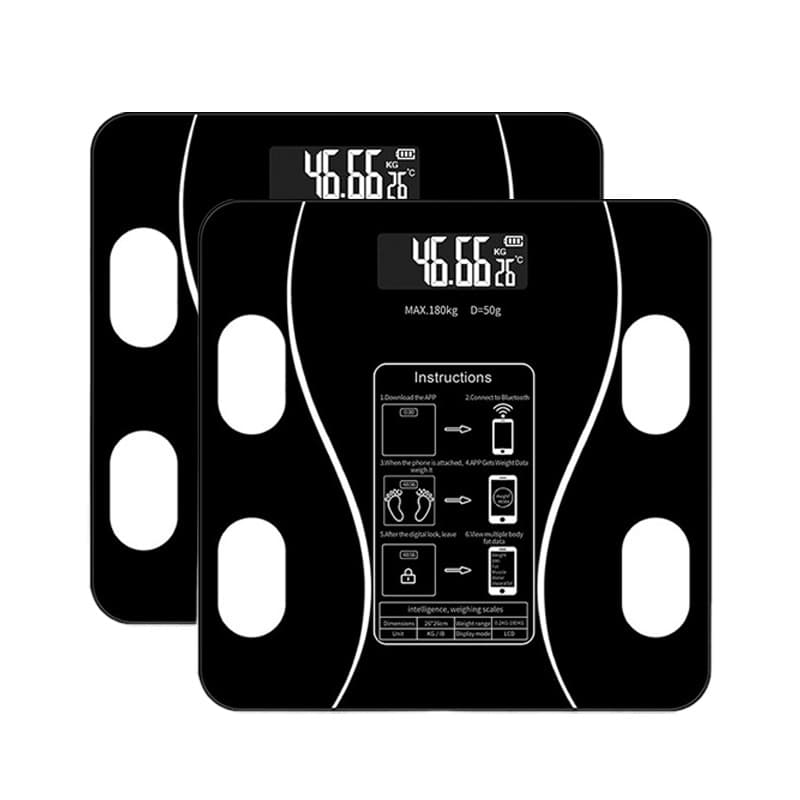
Step on and it estimates a full body-composition breakdown, synced to your phone. Photo: FitScale
Our verdict
Yes — for anyone frustrated by a scale number that won't budge despite real effort, FitScale X shows the progress the number hides: fat down, muscle up, charted over time. Keep the honest frame (bioimpedance gives estimates and trends, not lab-grade single readings, and it's fitness not medicine) and it's a motivating, well-priced feedback loop that undercuts the big-brand smart scales.
The short version
The bathroom scale's single number is a famously bad progress tracker — start lifting and eating right, and it can barely move for weeks even as your body genuinely changes, because muscle gained masks fat lost. FitScale X reads what the number hides: step on the sensor surface and it uses bioelectrical impedance to estimate a full breakdown — body fat, muscle mass, water, BMI and more — then syncs it to a phone app that charts the trends over time. Instead of one frustrating number, you see the composition shift that's actually happening: fat down, muscle up, even when the scale weight holds. It's the feedback loop that keeps a fitness effort honest and motivating, at a fraction of what the big-brand smart scales cost.
Pros & cons
Pros
- Reads body fat, muscle, water and more — not just weight
- App syncs and charts trends over time
- Shows progress the scale number alone hides
- Supports multiple users in one household
- Sleek glass design, easy to read
- Well under big-brand smart-scale prices
Cons
- Bioimpedance readings are estimates, not clinical measurements
- A fitness tool, not a medical or diagnostic device
- Trends matter more than any single reading's precision
How it works
Pair the app
Connect the scale to the companion app over Bluetooth and set up profiles — it supports the whole household.
Step on
Bare feet on the sensor surface; a tiny, imperceptible current reads your body's impedance to estimate composition.
Watch the trends
Weight, body fat, muscle, water and more sync to the app, which charts them over weeks so you see the real change.
Who it's for
- Anyone whose scale weight won't move despite real effort
- Lifters gaining muscle while losing fat (the scale lies)
- Households wanting per-person body-composition tracking
- Data-driven fitness types who love a trend chart
Why the scale number lies — and composition tells the truth
The single-number scale is the most demotivating tool in fitness, because it measures the one thing that changes slowest and means least. Start strength training and cleaning up your diet, and you simultaneously lose fat and gain muscle — two changes that partly cancel on the scale, so the number stalls for weeks while your body is transforming underneath. People quit good programs over a stubborn scale number that was hiding real progress the whole time. Body composition is the fix: it separates the fat you're losing from the muscle you're building, so the trend line actually reflects the work.
FitScale X estimates that breakdown with bioelectrical impedance — a tiny, safe electrical current that travels differently through fat, muscle and water, letting the scale infer their proportions. The single most important feature isn't any one reading, it's the app charting the trend: watching body-fat percentage tick down and muscle mass tick up over a month is the feedback loop that keeps people going when the raw weight won't budge. It's the same audit-then-adjust logic behind a metabolism tracker or a fitness band, pointed at the composition side.
The honest caveat: estimates, not lab measurements
Be clear-eyed about the technology. Consumer bioimpedance scales — every one of them, budget or big-brand — produce estimates, not clinical-grade measurements. The absolute numbers can drift with hydration, time of day, recent meals and exercise, so a single reading's exact body-fat percentage shouldn't be treated as gospel. This isn't a knock on FitScale specifically; it's true of the whole category, including scales costing three times as much.
What that means practically: use it for trends, not single-point precision. Weigh under consistent conditions (same time of day, similar hydration — first thing in the morning is the classic choice) and watch the direction of travel over weeks, which is reliable and motivating even when the absolute number is approximate. And treat it as a fitness tool, not a medical or diagnostic device — it doesn't diagnose anything, and genuine health concerns belong with a doctor. Within those honest lines, it does exactly what a fitness-tracking scale should.
Is FitScale X worth $109.99?
Benchmark the category: big-brand smart body-composition scales run $100-200+, basic digital scales are $20-30 but only give you the demotivating single number, and a professional body-composition assessment (DEXA scan) is $50-150 per session and inconvenient to repeat. At $109.99 FitScale sits under the premium smart scales while delivering the same core value — full composition breakdown plus app trend charting — for a household of users. For the price of one or two DEXA scans you get unlimited at-home tracking.
Who should buy: anyone doing the work and frustrated by a motionless scale number, lifters recomposing (gaining muscle, losing fat), and data-driven types who'll actually watch the trends. Who should skip: anyone who'd obsess over the imprecise absolute numbers rather than the direction, and anyone wanting clinical accuracy (that's a lab, not any consumer scale). For the large group who just want to see that their effort is working when the plain scale won't show it, it's the motivating, affordable feedback loop — pair it with a fitness tracker and the picture's complete.
Frequently asked questions
What does FitScale X measure?
Beyond weight, it estimates body composition — body fat percentage, muscle mass, body water, BMI and more — using bioelectrical impedance, and syncs it all to a companion app that charts your trends over time.
How accurate are the readings?
They're estimates, not clinical measurements — true of every consumer bioimpedance scale, budget or premium. Absolute numbers drift with hydration and time of day, so use it for trends under consistent conditions rather than treating a single reading as exact.
Why is body composition better than just weight?
Because the scale number hides progress: when you lose fat and gain muscle at once, the weight barely moves even though your body is changing. Composition separates the two, so you can see fat dropping and muscle building when the plain number stalls.
Can my whole family use it?
Yes — it supports multiple user profiles in the app, each with their own tracked trends, so the whole household can use one scale.
Is it a medical device?
No — it's a fitness-tracking tool, not a medical or diagnostic device. It doesn't diagnose anything; real health concerns belong with a doctor. Note that people with a pacemaker or implanted electronics should check with a doctor before using any bioimpedance scale.
How should I weigh myself for the best data?
Consistently — same time of day, similar hydration, bare feet. First thing in the morning is the classic choice. The direction of the trend over weeks is what's reliable and motivating, not any single day's exact figure.
When you buy through links on this page, TopCrate may earn an affiliate commission at no extra cost to you. FitScale is a fitness-tracking device, not a medical or diagnostic tool; bioimpedance readings are estimates. Consult a doctor before use if you have a pacemaker or implanted electronics. Prices accurate as of publish time.