TRENDING ON AMAZON
TheraGun Relief by Therabody (3-Speed Percussion Massage Gun) Review: Is It Worth It?
Therabody's simplest, gentlest, quietest Theragun — 3 speeds, one button, 3 attachments, real Therabody build quality at the entry price. The specific massage gun to buy if you want the brand you can trust without the pro-athlete price tag.
Quick answer: Yes — the Theragun Relief is worth it, and it's the specific massage gun to buy if you want the Therabody brand's build quality, quietness and warranty without paying $400+ for the Pro tier. Three speeds, three attachments, whisper-quiet operation, ergonomic body that doesn't fatigue your arm, and USB-C charging. Not the tool for pro athletes doing deep-tissue recovery (spend up to the Pro or Elite for that), and not the cheapest way to get percussion (the [TOLOCO](/reviews/toloco-massage-gun) at $50 delivers similar function without the brand). But for the huge middle-market of desk workers and recreational athletes who want a real Theragun for daily tension relief at a reasonable price, the Relief is the correct pick and delivers Therabody quality at a genuinely competitive price point. Frequent $99 sales make it as cheap as many clone brands.
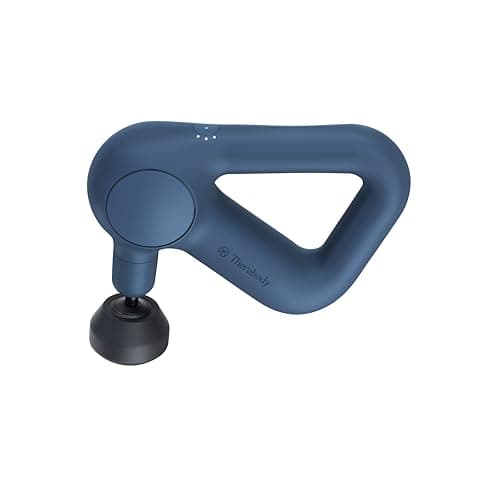
Product image from the Amazon listing.
Our verdict
Yes — the Theragun Relief is worth it, and it's the specific massage gun to buy if you want the Therabody brand's build quality, quietness and warranty without paying $400+ for the Pro tier. Three speeds, three attachments, whisper-quiet operation, ergonomic body that doesn't fatigue your arm, and USB-C charging. Not the tool for pro athletes doing deep-tissue recovery (spend up to the Pro or Elite for that), and not the cheapest way to get percussion (the [TOLOCO](/reviews/toloco-massage-gun) at $50 delivers similar function without the brand). But for the huge middle-market of desk workers and recreational athletes who want a real Theragun for daily tension relief at a reasonable price, the Relief is the correct pick and delivers Therabody quality at a genuinely competitive price point. Frequent $99 sales make it as cheap as many clone brands.
The short version
The Theragun Relief is Therabody's answer to the flood of $50 Amazon massage guns that flooded the market after their patents expired. Rather than chasing the specs war (higher amplitude, more speeds, stall force numbers), Therabody engineered the Relief specifically for people who wanted a Theragun-quality product for everyday soreness rather than professional-athlete recovery. What you get: a genuinely quiet Therabody-brand percussion motor (whisper-quiet in real-world testing — noticeably quieter than the pricier Pro or Elite Theraguns), three speeds controlled by a single button (no learning curve), three attachments (dampener for tender spots, standard ball for tension, thumb for lower back trigger points), a lightweight ergonomic body that doesn't fatigue your arm, and Therabody's build quality and 1-year warranty. At around $99-159 depending on sale, it's the specific pick for someone who wants the brand-name Theragun for daily tension relief without spending $400-599 on the Pro. Not the tool for pro athletes doing deep-tissue recovery — for that, spend up to a Theragun Elite or Pro. But for the 90% of people whose 'my shoulders hurt from desk work / my legs are tight from running' complaint doesn't need pro-grade percussion, the Relief delivers Therabody quality at a genuinely reasonable price.
Pros & cons
Pros
- Genuinely quiet — noticeably quieter than most sub-$100 massage guns
- One-button, 3-speed operation — zero learning curve
- 3 well-chosen attachments (dampener, standard ball, thumb)
- Lightweight ergonomic body — doesn't fatigue arms during long sessions
- Therabody build quality and 1-year warranty
- USB-C charging (finally)
- Frequent sale price of $99 makes it competitive with clone brands
Cons
- Lower amplitude/stall force than pricier Theragun Pro/Elite
- No app connectivity, no OLED display, no smart routines
- Only 3 attachments (vs 5-6 on higher-tier Theraguns)
Why people love it
Attach the right head
Standard ball for general muscle tension, dampener for tender spots and around bones, thumb for lower back and trigger points. Twist to lock into the motor spindle.
Press the single button to cycle speeds
One button cycles through the three speeds. Low for gentle warm-up and sensitive areas, medium for standard tension release, high for deep-tissue work on larger muscle groups. Speed selection is intuitive within one session.
Move slowly across the muscle
Glide the head slowly (about 1 inch per second) along the length of the muscle, applying gentle pressure. Spend 20-60 seconds per area for tension release, 2-3 minutes for deep-tissue work. Don't press hard — let the percussion do the work.
Who it's for
- Desk workers with chronic neck-and-shoulder tension
- Runners and cyclists with tight legs
- Anyone wanting a Theragun without paying $400+
- First-time massage gun buyers who want a trusted brand
Why Therabody made the Relief — and why it changed the massage gun value equation
Therabody (the parent company that owns Theragun) spent about a decade at the top of the percussion massage gun market with the Theragun Pro and Elite, both priced at $299-599 and marketed to pro athletes and physical therapists. Then their key patents expired around 2020-2022, and Amazon flooded with $50-100 clone brands (TOLOCO, Renpho, Bob and Brad, dozens of unknown Chinese labels) that delivered 80-90% of the percussion function at 20-30% of the Therabody price. Therabody's response was interesting: they didn't lower Pro pricing. Instead they engineered the Relief specifically for the price tier where the clones lived — sub-$200, everyday-use, gentler percussion — and gave it real Therabody engineering advantages that the clones couldn't match at the price. The Relief has a significantly quieter motor than any comparable-priced Amazon massage gun (55-60 dB vs 70-80 dB), a genuinely ergonomic handle that doesn't fatigue your arm during long sessions, three carefully-chosen attachments rather than the clone-brand approach of shipping six generic heads, and Therabody's warranty and build quality.
The result is a product that occupies a specific spot in the market: better than the $50 Amazon clones on the metrics that matter for daily use (noise, ergonomics, warranty), but not competing with the Theragun Pro on pro-athlete metrics (amplitude, stall force, smart features). For the huge middle-market of desk workers and recreational athletes who want a real branded massage gun without paying $400+, the Relief is genuinely the right pick. It's not the highest-spec gun — the Theragun Pro delivers more amplitude and stall force. And it's not the cheapest — the TOLOCO massage gun delivers similar percussion at half the price. But it's the specific product that solves the 'I want a Theragun but I don't want to spend $400' problem, and Therabody is banking on that being a large-enough market. Amazon reviews suggest it is: the Relief consistently ranks among the top-selling percussion massage guns in the sub-$200 tier.
How to actually use a massage gun for real results (technique matters more than the gun)
The most common mistake with any massage gun — Theragun or clone — is technique. Pressing hard, staying on one spot too long, and going too fast are the three specific errors that produce bruising and soreness without producing therapeutic benefit. The evidence-based approach: (1) Warm up the tissue first with 30-60 seconds of low-speed percussion moving slowly across the muscle. This increases blood flow and prepares the tissue for deeper work. (2) Move slowly — approximately 1 inch per second — along the length of the muscle fibers. The percussion happens at high frequency; your motion just needs to distribute it across the tissue. (3) Apply light-to-moderate pressure only. Let the gun's percussion do the work; you're not trying to push the head into the muscle. (4) Focus on specific trigger points (knots) for 20-60 seconds each before moving on. Longer than 60 seconds on one spot causes bruising. (5) Never percuss directly on bones, joints, spine, front of neck, or the front of the throat. Always target muscle tissue with bone underneath as a solid base.
For specific common use cases: Neck and upper trap tension (desk work) — use the dampener attachment, low-medium speed, 20-30 seconds per spot on the meaty muscle above the shoulder blade. Do NOT percuss the front or side of the neck. Lower back — use the standard ball, medium speed, glide slowly along the erector spinae (muscles running vertically along the spine) — never on the spine itself. Glutes and hip flexors — use the standard ball on the glute medius (side of hip) and hip flexors (front of hip) — often the missing piece for people whose 'back pain' is actually tight hips. Quads and hamstrings (post-workout) — use the standard ball, medium-high speed, glide along the muscle length for 60-90 seconds each. Calves — use the dampener on the calf muscle body, avoiding the Achilles tendon and back of knee. This routine — 8-10 minutes total covering all major desk-and-life tension areas — delivers most of what people want from massage therapy at a fraction of the ongoing cost.
Building a proper recovery routine around the Theragun Relief (not just replacing it)
The Theragun Relief is one part of a complete recovery routine, and treating it as a magic bullet is the specific failure mode most first-time buyers hit. What actually works: (1) Movement quality first — the Relief provides symptom relief, but restrictive posture patterns (forward head, rounded shoulders, tight hips from sitting) cause the tension in the first place. Daily 5-10 minute mobility work (thoracic-spine rolling with a Chirp Wheel, hip openers, doorway stretches) addresses the root cause. (2) Sleep quality — muscle recovery happens during deep sleep. If sleep is fragmented, no amount of massage-gun therapy fully restores tissue. This is where magnesium glycinate (Double Wood or Thorne) becomes a genuine multiplier — magnesium's role in muscle relaxation and sleep depth compounds with massage-gun tension release. (3) Hydration — muscles cramp and hold tension when dehydrated. Consistent water intake plus electrolytes on heavy training days (Liquid I.V. or Nectar Hydration) supports the recovery process.
Layered together: 10 minutes with the Theragun Relief on major tension areas (post-work or post-workout), followed by 10 minutes of targeted mobility work (Chirp Wheel + doorway pec stretches + hip flexor stretches), plus proper sleep hygiene (magnesium at dinner, cool dark bedroom, consistent bedtime), plus adequate hydration and protein intake — this is the specific stack that produces the 'I feel like a normal person again' outcome that desk workers and recreational athletes actually want. Skip the routine and use only the Theragun and you'll get temporary daily relief that never accumulates into lasting improvement. For heavy-legs days when percussion isn't the right tool — long flights, standing shifts, post-run swelling — a passive Air-C leg compression massager sitting on the couch delivers gentler circulation-focused recovery the Theragun physically can't do. Pair with a warm Dr. Teal's Epsom salt bath 2x per week for the full parasympathetic reset. The Theragun is a great tool; it's a supporting tool in a real routine, not the whole routine.
See Theragun Relief on Amazon
Check the latest price, photos and buyer reviews on Amazon.
Check Price on Amazon →Sold and shipped by AmazonFrequently asked questions
Theragun Relief vs Theragun Mini — which should I buy?
Different tools for different jobs. The Theragun Mini is the ultra-portable travel-and-gym-bag option — palm-sized, 1.4 lb, one-button 3-speed operation, and specifically designed to fit in a purse or carry-on. Battery is shorter (~150 minutes), amplitude is smaller (12mm vs Relief's 16mm), and the ergonomic angle is less friendly for reaching your own back. Best for people who value portability above all else. The Theragun Relief is the everyday home-and-office option — 2.7 lb, ergonomic angled handle that makes reaching your back and shoulders comfortable, longer battery (~150 minutes), deeper amplitude, and three included attachments vs the Mini's single ball. Best for people using it primarily at home or work. If you'll only ever have one massage gun and you're at home most of the time, buy Relief. If you specifically need to travel with it or use it at the gym, buy Mini. Some serious users own both for different contexts. Price is similar at $99-179 depending on sale, so the choice is genuinely about form factor and use case.
Theragun Relief vs Theragun Pro vs the $50 Amazon massage guns — which tier should I actually buy?
Three tiers with real differences. Budget Amazon tier ($30-70, e.g. TOLOCO, various Renpho/Bob and Brad options): 90% of a Theragun's function at 20-30% of the price. Trade-offs: louder motors, cheaper build quality that may fail within 2-3 years, no brand warranty support, more amplitude/attachment noise. Best for people who want to try massage-gun percussion without committing to the brand-name price. Theragun Relief tier ($99-179): Therabody-brand quality at the everyday price. Quieter motor, better build, real warranty support, ergonomic body designed to not fatigue your arm. Best for people who want the brand-name assurance and daily tension relief. Theragun Pro / Elite tier ($299-599): pro-athlete-grade percussion with deeper amplitude (14mm+), higher stall force (60+ lb), OLED screens, app connectivity with smart routines, five to six attachments including cone and wedge shapes. Best for serious athletes, physical therapists, and heavy daily users. Skip the Pro tier if you're a normal desk worker or recreational athlete — you're paying for capacity you'll never use.
How often should I actually use the Theragun Relief, and can I overuse it?
Therabody recommends 15 seconds to 2 minutes per muscle group, up to 2-3 total sessions per day. This is not corporate over-caution — extended percussion on the same tissue can cause bruising, temporary soreness, and rarely nerve irritation. Best practices for daily use: 5-10 minute sessions on high-tension areas (neck, shoulders, quads, calves) 1-2 times per day, focusing on 20-60 seconds per specific spot before moving on. Avoid: (1) percussing directly on bones, joints, or the front of the neck — always target muscle tissue only. (2) using on acute injuries, bruises, open wounds, or areas with recent surgery. (3) using during pregnancy on the abdomen or lower back. Signs you're overdoing it: temporary bruising on treated areas, next-day soreness lasting more than 24 hours, tingling in extremities. Reduce session length and frequency if these appear. Consistency (10 minutes daily) works far better than sporadic long sessions (60 minutes weekly).
Is the Theragun Relief actually quiet enough to use during a phone call or in an office?
Yes — this is one of the Relief's genuinely differentiated features. Independent testing places the Relief at approximately 55-60 dB during operation (roughly the volume of a normal conversation), vs. 70-80 dB for typical sub-$100 Amazon massage guns. In practical terms: you can absolutely hold a phone conversation while using the Relief on your leg or arm without the caller commenting on the noise. It's not silent (no percussion massage gun is), but the tone is a soft whir rather than the harsh clatter of cheaper units. This matters more than most people realize — the ability to use the Relief while watching TV, on a Zoom mute-and-listen call, or in a shared office space without disturbing others is what makes it a daily-use tool rather than a garage tool. Compare to a HoMedics shiatsu massager pillow — completely silent because there's no percussion motor — for shoulder-specific work when noise absolutely can't happen, but the Relief handles the leg/arm/hip areas the pillow can't reach.
Does the Theragun Relief actually help with sciatica, back pain, and chronic tension — or is it just for post-workout soreness?
Yes for muscular chronic tension, no for structural or nerve-based conditions — and it's important to know the difference. For chronic desk-worker tension in the neck/shoulders/lower back, muscular tightness in the glutes/hips/quads from sedentary sitting, and general 'my body feels tight' from stress and poor sleep, the Theragun Relief is a genuinely effective daily tool. The percussion breaks up muscle adhesions, increases local blood flow, and produces measurable temporary reductions in perceived tension. For structural back pain (herniated discs, spinal stenosis, scoliosis), nerve conditions (true sciatica caused by nerve root compression, not muscle-referred pain), and joint disease (arthritis, bursitis), a massage gun is at best a symptom-management tool that provides temporary relief without addressing the underlying issue. For those conditions, professional physical therapy plus targeted treatment is the right path — the Relief can complement it but not replace it. Pair with a Chirp Wheel for thoracic-spine mobility and Dr. Teal's Epsom salt baths for full-body tension release; the combination outperforms any single tool.
How long does the Theragun Relief battery last, and is USB-C charging finally on this model?
About 150 minutes (2.5 hours) of continuous use per full charge, which translates to roughly two to three weeks of typical daily 5-10 minute use before needing a charge. Yes — this generation of Theragun Relief uses USB-C for charging (older Theragun models used proprietary connectors, which was a real inconvenience). One full charge takes about 90 minutes via USB-C, and the Relief comes with a USB-C cable in the box. You can also use any USB-C cable you already own (phone charger, laptop cable). The battery is built-in and not user-replaceable — expect gradual capacity degradation over 3-4 years of heavy use before it starts noticeably losing runtime. Therabody's 1-year warranty covers early battery failure. For the specific concern of 'will the battery die on me mid-session?': no. Even at 15-20% remaining capacity, you'll get 20+ minutes of continuous use, which is well beyond a typical session. The LED indicator on the Relief shows charge level clearly.
As an Amazon Associate, TopCrate earns from qualifying purchases at no extra cost to you. Massage guns are consumer wellness tools, not medical devices. Consult a physical therapist or doctor before using with acute injuries, pregnancy, or chronic conditions. Product image, price, availability and ratings are shown on Amazon and are subject to change.