HANDS-ON REVIEW
Rush Charge Universe 3-in-1 Portable Charger Review: Is It Worth It?
A pocket power bank with Lightning, USB-C and micro-USB connectors built into the body — the charger that ends 'right bank, wrong cable' forever.
Quick answer: Yes, Rush Charge Universe is worth it — it fixes the real point of failure in portable power: not capacity, but the cable that was never there. Three built-in tips (USB-C, Lightning, micro-USB) cover every device your day can produce, three at a time, in a true pocket footprint. Size expectations correctly (one rescue, not a weekend) and fold the tips home, and it's the charger that finally works every single time — worth $44.99 in un-bought airport cables alone.
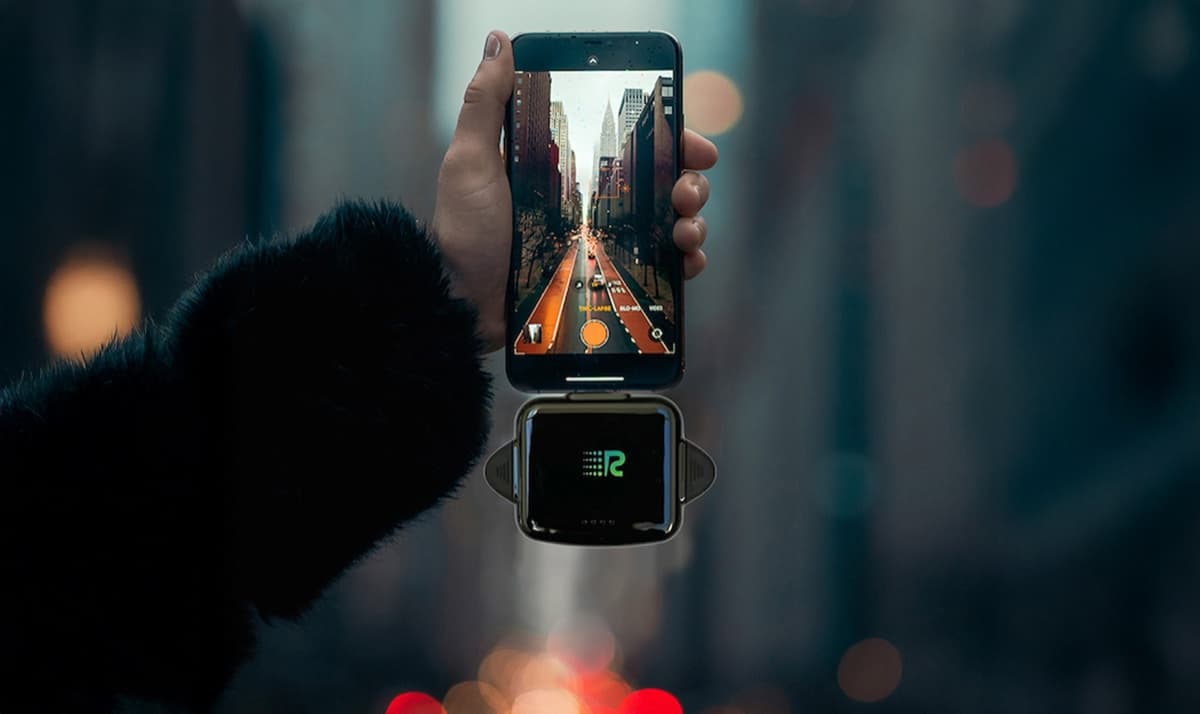
Pocket power wherever the day goes — no cable pouch required. Photo: Rush Charge
Our verdict
Yes, Rush Charge Universe is worth it — it fixes the real point of failure in portable power: not capacity, but the cable that was never there. Three built-in tips (USB-C, Lightning, micro-USB) cover every device your day can produce, three at a time, in a true pocket footprint. Size expectations correctly (one rescue, not a weekend) and fold the tips home, and it's the charger that finally works every single time — worth $44.99 in un-bought airport cables alone.
The short version
The dirty secret of power banks is that the bank is never the failure point — the cable is. It's in the other bag, it's the wrong end, it walked off at the airport gate. Rush Charge Universe deletes the dependency: three connectors — USB-C, Lightning and micro-USB — fold out of the charger's own body, covering effectively every phone, earbud case, tablet and gadget made in the last decade, three at once if needed. The 3300mAh cell is sized for its actual job (a full phone rescue plus change, in a deck-of-cards footprint), and the built-in tips mean the rescue happens every time, not just when the cable gods smile.
Pros & cons
Pros
- USB-C, Lightning and micro-USB tips built into the body
- Charges up to three devices simultaneously
- Covers iPhone, Android, earbuds, readers — one device, everyone
- True pocket size — rides daily without bag real estate
- No cable to forget, tangle, fray or lose
- The family/travel rescue device: whoever's dying, it fits
Cons
- 3300mAh is a rescue ration — about one phone fill, not a weekend
- Built-in tips mean built-in wear points; fold them back properly
- Older iPhones charge at standard speed, not fast-charge rates
How it works
Flip out the right tip
USB-C, Lightning and micro-USB connectors fold out of the charger's edges — whatever the dying device is, its plug is already here.
Charge up to three at once
Phone on Lightning, earbuds on USB-C, the kid's tablet on micro-USB — simultaneously, from one palm-sized bank.
Refill and re-pocket
Recharge the bank itself from any USB port, and it goes back to being the flattest insurance policy in your pocket.
Who it's for
- Mixed iPhone/Android households and couples
- Parents fielding 'my tablet's dead' from three directions
- Travelers who've bought a gas-station cable at midnight
- Anyone whose bank is charged but cable is elsewhere
The cable is the weakest link — so it removed the cable
Audit your last five dead-phone emergencies and the pattern embarrasses the whole power-bank category: the bank was charged and present, and the cable was absent, wrong-ended, or chewed to copper. Separate-cable banks outsource their critical dependency to the most losable object in consumer electronics. Building the tips into the body isn't a gimmick — it's closing the loop on the product's one job: power that's actually deliverable when needed.
The three-tip spread is the other half of the thinking. A USB-C-only bank serves your phone; a C-plus-Lightning-plus-micro bank serves the room — the iPhone in your pocket, the partner's Android, the earbuds, the Kindle, the kid's tablet, the dash cam, the disposable-vape-adjacent gadget your uncle brings to Thanksgiving. Micro-USB refuses to die precisely in the cheap, beloved device tier where a dead battery is most annoying.
Sizing honesty: what 3300mAh is (and isn't) for
Let's do the arithmetic the marketing skips: 3300mAh delivers roughly one full modern-phone charge after conversion losses, or a phone top-up plus an earbud case, or three partial rescues across three devices. That's a deliberate sizing: the every-single-day emergencies are 15%-at-4pm problems, not off-grid weekends, and the cell that solves them fits in a shirt pocket instead of demanding bag space — which is why it's actually with you at 4pm.
Know which tool you're buying. For flights, festivals and camping, a big-cell bank is the right instrument — a fire-safe 5,000mAh magnetic bank or a 20,000mAh brick for the truly committed. Rush Charge is the EDC layer: the always-present, any-device rescue that means the big brick can stay home except when it's earned. Plenty of households run exactly that two-tier system, with this as the daily driver.
Is Rush Charge worth $44.99?
Tally the drawer it replaces: a compact bank ($25), the three cable types in travel duplicates ($30+ in aggregate), and at least one panic-priced airport cable ($19, we've all done it) — the Universe undercuts the pile while eliminating the coordination problem that made the pile fail anyway. The multi-buy bundles (three for ~$100) map to how it actually gets deployed: one per car, one per bag, one that lives with the family chaos.
Longevity notes for the built-in-tip design: the connectors are the moving parts, so fold them home after use rather than pocketing them extended — treated that way they outlast the fraying fate of every standalone cable they replaced. Pass-through means one wall outlet fills the bank and a phone overnight. It's not the fastest charger you own and doesn't claim to be; it's the one that works every time, for every device, which is the metric that was actually broken.
Frequently asked questions
What devices can it charge?
Effectively everything: USB-C covers modern phones and gadgets, Lightning covers iPhones and older Apple accessories, micro-USB covers the long tail of earbuds, readers, cams and budget devices. All three tips fold out of the body — no cables needed.
Can it really charge three things at once?
Yes — all three connectors work simultaneously, splitting the bank's output. It's the family-table party trick: phone, earbuds and tablet drinking from one deck-of-cards device.
How many charges does 3300mAh give?
About one full phone charge, or a healthy top-up across two or three devices. It's sized as a daily rescue ration, not an off-grid reserve — that's what keeps it pocket-flat enough to always be with you.
How do I recharge the bank itself?
From any USB port or wall charger. Pass-through charging lets it fill itself and a device from one outlet overnight, so it leaves the house full.
Will the built-in tips wear out?
They're the design's moving parts — fold them flush after use and they outlive the standalone cables they replace (which fray, tangle and vanish). The failure mode of separate cables is loss; the fix here is discipline-free.
Is it airline-safe?
Yes — 3300mAh is far inside carry-on limits (always carry-on, never checked luggage, like all lithium banks). It's the layover companion the gate-area outlet crowd wishes they had.
When you buy through links on this page, TopCrate may earn an affiliate commission at no extra cost to you. Specifications reflect the manufacturer's listing. Prices accurate as of publish time.