HANDS-ON REVIEW
FIXD OBD2 Car Health Sensor Review: Is It Worth It?
A $20 sensor that plugs into your car's OBD2 port and translates the check-engine light into plain English — what's wrong, how urgent, what it should cost.
Quick answer: Yes, FIXD is legit and yes, at $19.99 it's worth it: a real OBD2 sensor from a real Atlanta company that reads the same standardized codes every professional scanner reads, translated in plain English on your phone. One avoided $150 diagnostic fee pays for it five times over, the core code reading never expires (the ~$99/yr premium tier is optional — decline it at signup, add it back if the mechanic hotline earns its fee), and it belongs in the glovebox on any 1996+ gas car. The first time a check-engine light becomes a sentence instead of a mystery, it's already paid for itself.
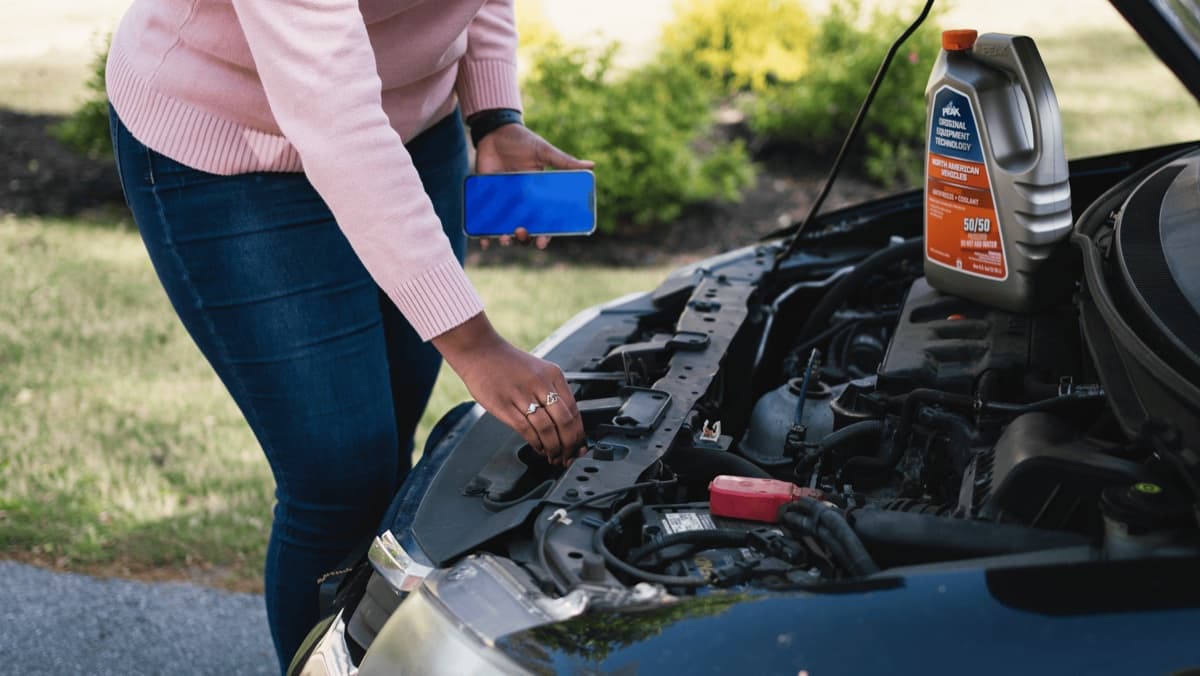
Plugs into the OBD2 port every car since 1996 has — diagnostics go to your phone. Photo: FIXD
Our verdict
Yes, FIXD is legit and yes, at $19.99 it's worth it: a real OBD2 sensor from a real Atlanta company that reads the same standardized codes every professional scanner reads, translated in plain English on your phone. One avoided $150 diagnostic fee pays for it five times over, the core code reading never expires (the ~$99/yr premium tier is optional — decline it at signup, add it back if the mechanic hotline earns its fee), and it belongs in the glovebox on any 1996+ gas car. The first time a check-engine light becomes a sentence instead of a mystery, it's already paid for itself.
The short version
The check-engine light is the most profitable lie in car ownership — not because it lies, but because you can't read it, and the $150 'diagnostic fee' industry lives in that gap. FIXD closes it: a matchbox sensor plugs into the OBD2 port (standard on every car since 1996), reads the same trouble codes the shop's scanner reads, and translates them in the app — plain-English problem, severity rating, likely repair cost, and whether you can keep driving. The sensor is $19.99 and reads codes forever; a premium subscription adds mechanic hotlines and cost estimates, and declining it still leaves the core translator working.
Pros & cons
Pros
- Reads and clears check-engine codes in plain English
- Severity ratings: drive on, fix soon, or stop now
- Works on effectively every gas car since 1996
- Walk into the shop informed — quotes change when you know
- Maintenance reminders based on actual mileage
- $20 hardware; core code-reading works without subscribing
Cons
- Premium features (mechanic hotline, cost estimates) are subscription-gated after the trial
- It diagnoses — wrenches not included; you still choose the repair
- Some hybrid/EV systems expose limited data through OBD2
How it works
Plug into the OBD2 port
Under the dash, driver's side — the same port the dealership plugs into. Ten seconds, no tools.
Codes become English
The app reads the car's trouble codes and translates: what the problem is, how severe, and typical repair cost.
Decide from strength
Clear a false alarm, schedule a real fix, or negotiate the shop's quote against the actual code you already know.
Who it's for
- Anyone who's paid to be told what their own car knew
- Parents equipping kids' first cars from afar
- Used-car shoppers scanning before they buy
- High-mileage owners triaging what's urgent vs. cosmetic
The information asymmetry racket, ended for $20
Every car since 1996 continuously self-diagnoses and stores the results as OBD2 trouble codes — your car already knows why the light is on. The repair industry's diagnostic fee isn't for discovering the problem; it's for owning the $300 scanner and the code dictionary you don't. That asymmetry prices every subsequent decision: you can't judge a quote for a problem you can't name.
A $20 sensor plus a phone app is the whole equalizer. FIXD reads the same codes, and the translation layer is the real product — 'P0420' becomes 'catalyst efficiency below threshold: likely catalytic converter or O2 sensor, not urgent, typical cost range $X–Y.' Walking into a shop with that sentence changes the conversation categorically; the mechanic is now bidding on a known job instead of narrating a mystery. Multiple-car households get compounding value — one app, a sensor per OBD2 port.
The subscription question, answered honestly
FIXD's business model is the $20 sensor plus an optional premium tier (~$99/year after the trial) with mechanic hotlines, repair-cost databases and issue forecasting. The honest guidance: the free tier's code reading, plain-English translation and severity flags are the 90% product, and you should make the subscription decision on real use, not at checkout — set a trial reminder, because the auto-renewal is where the complaints live.
Premium earns its fee for specific owners: aging high-mileage cars that light up monthly (the hotline and estimates pay for themselves in one negotiated repair), fleets of family vehicles, and the mechanically anxious who want a human to call. Everyone else runs free-tier forever and still never pays a diagnostic fee again. Either way the sensor belongs in the glovebox stack next to the tire inflator, the Kelvin 8 emergency multi-tool and the React by ChargeHub 7-in-1 12V-socket tool — the FIXD reads what's wrong, the others get you home when something is.
Is FIXD worth $19.99?
The payback math is almost unfair: one avoided diagnostic fee ($100–150) pays for the sensor five times over; one negotiated repair — quotes drop when customers cite codes — pays for a decade of them. Used-car shopping is the sleeper use: scanning a seller's car before purchase surfaces the codes they cleared last week (pending codes linger), which has killed more bad deals than any mechanic's inspection at this price.
Its limits are honest ones: OBD2 covers engine/emissions systems, so body electronics and some hybrid/EV subsystems report thin data; and diagnosis isn't repair — you're buying knowledge, not wrenches. Against the $300 professional scanners it reads the same codes with a far better interface, and against the $30 no-name Bluetooth dongles the translation layer and app maturity are the difference between data and answers. At $19.99, it's the highest-leverage object in the glovebox.
Frequently asked questions
Is FIXD legit? What do the 'FIXD reviews consumer reports' searches actually find?
Yes — FIXD Automotive Inc. is a real Marietta, Georgia company (founded 2014) selling a real OBD2 sensor that reads the same SAE J1979 diagnostic codes every professional shop scanner reads. FIXD is often confused online with "Fixed," a separate parking-ticket app from Shark Tank; they're different companies. Consumer Reports itself hasn't published a standalone FIXD test at the time of writing, so "fixd reviews consumer reports" search results are typically syndicated advertorials on news-site domains — treat those the way you'd treat any ad, not as third-party testing. What genuine independent coverage does exist (Tom's Guide, Equipment World, OBDPlanet, plus millions of app downloads and 4.6-star aggregate ratings) all reaches the same conclusion: the sensor is a proper Bluetooth OBD2 device, standards-compliant, and the app translates the check-engine light accurately on modern gas cars. Our is FIXD legit guide walks the checkout, guarantee and subscription decision in more depth. The one legitimate criticism in the independent record is the auto-renewing Premium subscription (decline the trial at signup); the core sensor and code-reading are honest products that work exactly as advertised.
FIXD pros and cons — what's the honest short list?
Pros: reads and translates the check-engine light in plain English, works on effectively every 1996+ gas car, sensor works forever with no ongoing fee, one avoided shop diagnostic pays for it five times over, and it's genuinely useful for used-car shopping (surface freshly-cleared codes before you sign). Cons: the premium subscription (~$99/yr) auto-renews after the free trial and is where most negative reviews land, so decline it at signup and re-add later if you actually want the mechanic hotline; some hybrid and EV subsystems report thin data through the standard OBD2 port; and it diagnoses, not repairs, so you still choose the shop.
Will FIXD work on my car?
If it's a gas vehicle sold in the US since 1996, yes — that's when the OBD2 port became mandatory. Diesels after 2008 work too; some hybrid/EV subsystems expose limited data through the standard port.
Do I need the FIXD subscription, and how much does it actually cost?
No, and here's the honest math: FIXD Premium runs about $99/year after a free trial, and the free tier already gives you the code reading, plain-English translation, severity ratings and clearing — the 90% product. Premium adds mechanic hotlines, repair-cost estimates by region and issue forecasting; it earns its fee for aging high-mileage cars that light up monthly and for the mechanically anxious who want a human on the phone. Decline the trial at signup if you're not sure — it auto-renews, and the auto-renewal is where nearly every negative FIXD review comes from. You can always add Premium back later once you've actually used the free tier and know whether the extras pay for themselves.
Can it turn off my check-engine light?
Yes — after showing you the code, it can clear it. If the problem's real the light returns, which itself is useful diagnosis. Clearing a stale code from a fixed issue saves an embarrassing shop visit.
Will it tell me repair costs?
The premium tier includes typical-cost estimates by repair and region — most useful as a negotiation floor when a quote comes in weirdly high. Free tier still names the problem, which is most of the leverage.
Is it useful for buying a used car?
One of its best tricks: plug in during the test drive and read current plus pending codes. Recently-cleared codes and lurking issues surface — sellers hate it, buyers should never skip it.
FIXD vs BlueDriver, OBDLink and shop scanners — how does it compare?
FIXD's edge is price and plain-English translation. BlueDriver (~$99.95) reads deeper manufacturer-specific codes (ABS, airbag, transmission on 13 supported brands) that FIXD doesn't, at a one-time price with no subscription — our FIXD vs BlueDriver explainer covers when the enhanced-code coverage is worth the price gap. OBDLink MX+ (~$140) is the pro-hobbyist choice with the widest protocol coverage; a shop's snap-on scanner reads everything but costs thousands. If your goal is understanding the check-engine light on a modern gas car and walking into the shop informed, FIXD is the correct tool at 1/5th to 1/100th the price. If you specifically need ABS or airbag codes on a European car, BlueDriver is the honest recommendation. For most drivers, FIXD covers 90% of what you need, and it costs less than a single diagnostic fee.
Does it drain the car battery?
The sensor sips negligible standby power — fine to leave plugged in permanently on a regularly-driven car. Pull it if a vehicle sits unused for many weeks.
When you buy through links on this page, TopCrate may earn an affiliate commission at no extra cost to you. Optional premium subscription auto-renews after trial; core diagnostics work without it. Prices accurate as of publish time.