SKINCARE 101
Slugging Skincare: What It Is, How to Do It Right, and Who Should Skip It
The honest guide to sealing your skincare in with petrolatum overnight — what the science actually supports, the step-by-step routine, and the skin types that shouldn't try it.
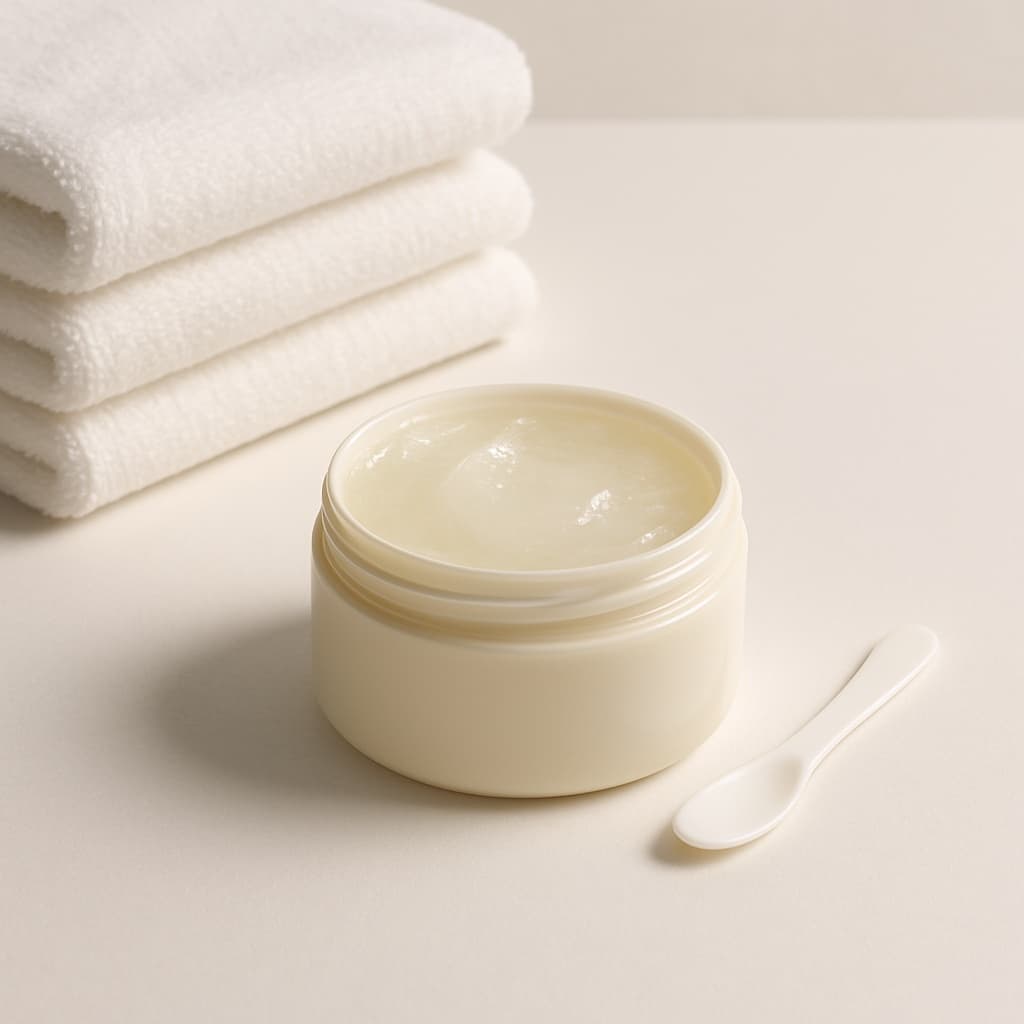
Slugging is the rare skincare trend that's older than the internet hype around it: you coat your face in a thin layer of petroleum jelly before bed to seal in your skincare, and wake up with the kind of glazed, slug-trail sheen that gave the technique its name. It came out of the K-beauty community, blew up on social media, and — unusually for a viral skin trend — dermatologists mostly shrugged and said, sure, that's just occlusion, we've recommended petrolatum for decades.
That doesn't make it right for everyone. This guide covers what slugging actually does (retain moisture — not treat, cure, or transform anything), why petrolatum specifically is the gold standard, who benefits, who should sit it out, the step-by-step routine, and the ingredients you should never trap under an occlusive layer.
What Is Slugging, Exactly?
Slugging means finishing your nighttime skincare routine with a thin layer of an occlusive — a substance that physically blocks water from evaporating off your skin. Petroleum jelly is the classic choice: plain Vaseline, or a petrolatum-based ointment like Aquaphor, which blends petrolatum with lanolin, glycerin, and panthenol. You cleanse, moisturize, seal, and sleep.
The honest framing matters here: slugging is a moisture-retention technique, not a treatment. The occlusive layer doesn't add anything to your skin — it keeps the water and skincare already there from escaping overnight. That's genuinely useful if your skin is dry or your moisture barrier is struggling. It is not a cure for any skin condition, and if you're dealing with eczema, rosacea, or persistent irritation, that's a conversation for a dermatologist, not a trend.
Why Petrolatum Works: The Science of Occlusion
Your skin constantly loses water to the air through a process called transepidermal water loss, and when the skin barrier is damaged — by winter air, over-exfoliation, harsh cleansers, or retinoid use — that loss speeds up, leaving skin tight, flaky, and irritable. Occlusives slow the leak, and petrolatum is the most effective one known: studies show it reduces transepidermal water loss by up to 99 percent, far more than mineral oil, lanolin, or silicones.
A well-hydrated skin surface also simply functions better — it's more flexible, less prone to cracking, and better positioned to repair itself, which is why petrolatum has been a dermatology staple for wound aftercare and severely dry skin for generations. Bonus for sensitive types: refined cosmetic petrolatum is famously inert and rarely causes allergic reactions. (Aquaphor's added lanolin is the exception — skip it if you have a lanolin allergy and use plain petroleum jelly instead.)
Who Slugging Helps — and Who Should Skip It
Slugging shines for dry skin, especially in winter or dry climates; for barriers that have been over-exfoliated or irritated into tightness and flaking; and for the sandpaper phase of starting a retinoid — used on off nights, it takes the edge off the dryness. If your skin regularly feels tight an hour after washing, you're the target audience.
Skip it if your skin is oily or acne-prone. Petrolatum itself is non-comedogenic — the molecules are too large to sink into pores — but that's not the whole story: an occlusive layer seals in everything underneath it, including sebum, sweat, and any pore-clogging ingredients in the products you applied first. For skin that already over-produces oil, that trapped environment is a breakout waiting to happen. And if you have an active skin condition or infection, check with a dermatologist before sealing anything in overnight.
How to Slug, Step by Step
Step one: cleanse thoroughly. The occlusive traps whatever is on your face for eight hours, so the day's sunscreen, makeup, and grime need to be fully off — double-cleanse if you wore either.
Step two: apply your hydrating layer to slightly damp skin. This is the step that makes slugging work, because an occlusive can only lock in moisture that's already there. A humectant serum like hyaluronic acid or a simple humectant-rich moisturizer such as CeraVe lotion gives the seal something worth sealing. Step three: apply the occlusive — a pea-sized amount warmed between your fingers and pressed into a thin, even film. You want a subtle sheen, not frosting; more doesn't work better, it just ruins linens. Which brings us to step four: sleep on an old pillowcase you don't mind greasing, and expect to wash it more often than usual.
What NOT to Layer Under an Occlusive
This is the mistake that turns slugging from soothing to scorching: never slug over active ingredients. Occlusion increases how much of whatever's underneath penetrates your skin, so sealing in a retinoid, an exfoliating acid (AHAs like glycolic, BHAs like salicylic), or benzoyl peroxide effectively cranks up its strength — and with it, the odds of waking up red and raw. Dermatologists deliberately use occlusion to intensify certain prescription treatments; you should not be improvising that at home.
The fix is scheduling, not sacrifice: use actives on some nights and slug on others. If you're on a retinoid, our guide on how to use retinol covers how to space it out — slugging on your off nights is actually one of the better ways to manage retinoid dryness. Under a slug, keep it boring: cleanser, humectant, moisturizer, done.
How Often to Slug — and the Morning After
For most people, one to three nights a week is plenty; think of it as a recovery tool, not a nightly default. Very dry skin can tolerate more frequent slugging, but if you're reaching for the jar every single night, your daytime routine probably needs better moisturizing rather than more sealing. And if slugging leaves you congested or bumpy, that's your skin voting no — listen to it.
In the morning, wash the residue off with a gentle cleanser (petrolatum doesn't fully rinse with water alone), then do your normal morning routine, sunscreen included. Give any new slugging habit a couple of weeks before judging it: if your skin still feels tight and flaky despite it, the problem isn't the seal — it's something in the routine underneath, or a skin condition worth showing to a dermatologist.
Read our Aquaphor review
The healing ointment most slugging routines are built on.
Read our Aquaphor reviewFrequently asked questions
Is slugging good for your skin?
For dry skin or a compromised moisture barrier, yes — sealing in hydration with petrolatum overnight measurably reduces water loss and relieves tightness and flaking. It's a moisture-retention technique, not a treatment, and it's a poor fit for oily or acne-prone skin.
Can you slug every night?
Most people should slug one to three nights a week. Very dry skin can handle nightly slugging, but if you need it every night, your daytime moisturizer probably isn't pulling its weight — and daily occlusion raises the odds of congestion on combination skin.
Does slugging cause breakouts?
Petrolatum itself is non-comedogenic, but the occlusive layer traps everything underneath it — sebum, sweat, and any pore-clogging product ingredients — for hours. On acne-prone skin that trapped environment commonly triggers breakouts, which is why oily skin types should skip slugging or limit it to dry patches.
What should you put on your face before slugging?
A hydrating layer on slightly damp skin — a humectant serum like hyaluronic acid or a simple moisturizer. Never apply an occlusive over retinoids, exfoliating acids, or benzoyl peroxide: occlusion intensifies actives and can cause real irritation.
Is Vaseline or Aquaphor better for slugging?
Both work. Vaseline is 100 percent petrolatum — the strongest seal and the safest bet for allergy-prone skin. Aquaphor adds lanolin, glycerin, and panthenol, so it spreads more easily and feels less heavy, but the lanolin rules it out for anyone with a lanolin allergy.
Do you wash off slugging in the morning?
Yes. Use a gentle cleanser in the morning — petrolatum won't fully rinse off with water alone — then follow with your usual morning routine, including sunscreen. Leaving the film on under makeup and SPF just traps a day's worth of grime.
TopCrate is reader-supported. When you buy through links on our site we may earn an affiliate commission, at no extra cost to you. Content is for general information and isn't a substitute for professional advice.