SKINCARE 101
How to Use Retinol: Start Low, Go Slow, and Actually See Results
The beginner's retinol routine dermatologists actually recommend — what strength to start with, the sandwich method, purge vs. irritation, and the mixing rules that save your skin barrier.
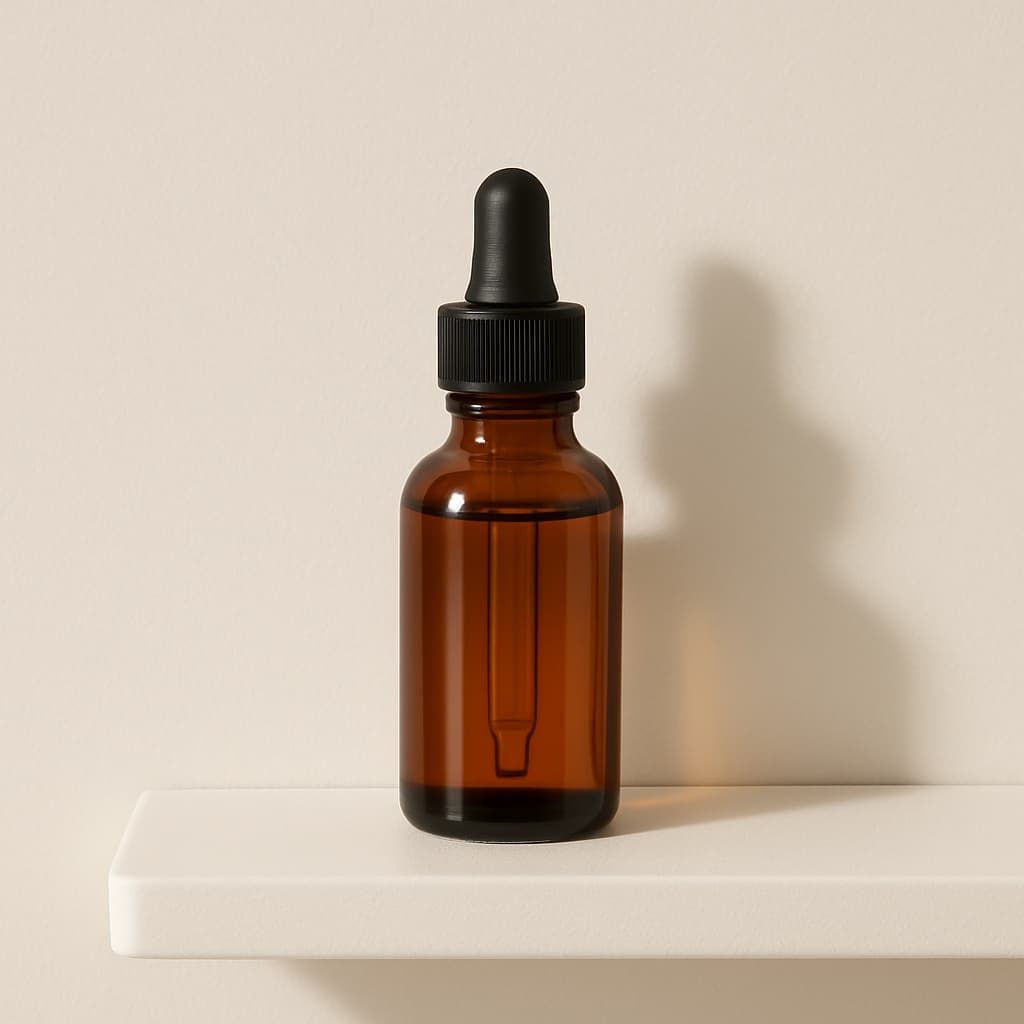
Retinol is the rare skincare ingredient that earns its hype: decades of research back its ability to speed up cell turnover and support collagen, which is why it's the best-evidenced cosmetic active you can buy without a prescription. It's also the ingredient people quit fastest — because they start with too much, too often, and bail during week three when their face is flaking like a croissant.
This guide is the routine that avoids that fate: what retinol actually does, the right starting strength and schedule, the sandwich method for sensitive skin, how to tell a purge from genuine irritation, what never to layer with it on the same night, and where retinol sits on the ladder next to retinal and prescription tretinoin.
What retinol does for your skin (and what it doesn't)
Retinol is a vitamin A derivative. Once it's absorbed, your skin converts it into retinoic acid — the active form — which does two well-documented things: it speeds up cell turnover, so dull, rough surface cells get replaced faster, and it supports collagen production, which is why consistent use softens the look of fine lines and evens out texture and tone over time. No other over-the-counter cosmetic ingredient has anywhere near this much evidence behind it.
What it doesn't do is work fast. Visible changes in texture usually take 8 to 12 weeks, and the fine-line benefits build over months of consistent use, not days. And an honest boundary: retinol is a cosmetic. If you're dealing with stubborn acne, rosacea, eczema, or anything that looks like a medical skin condition, a dermatologist can prescribe things that work better and faster — start there, not at the drugstore shelf.
How to start retinol: low strength, two nights a week
Start with a 0.25% to 0.3% retinol — not the 1% that promises faster results. Your skin needs weeks to build tolerance (the process even has a name: retinization), and a low strength used consistently beats a high strength you have to quit. Use it two nights per week for the first two weeks, then every third night, and work up to every other night over about a month. If your skin stays calm for a few weeks at that pace, you can go nightly — but plenty of people see excellent results at three or four nights a week forever.
The dose is a pea-size amount for your entire face. More product means more irritation, not more results. Apply it at night only — retinol degrades in sunlight and makes your skin more sun-sensitive — on dry skin, after cleansing. Waiting a few minutes after washing your face helps too: damp skin absorbs retinol faster, which sounds good but just means more sting.
The retinol sandwich method for sensitive skin
If you're sensitive, dry, or just nervous, the sandwich method is the gentlest on-ramp: apply a layer of moisturizer, wait for it to sink in, apply your pea of retinol, then seal it with a second layer of moisturizer on top. The buffer slows absorption, which dials down irritation dramatically while still delivering the active. Something bland and fragrance-free like CeraVe lotion is perfect here — this is not the night for anything scented, tingly, or exciting.
Yes, sandwiching slightly slows how fast retinol absorbs. That's the point. A slightly buffered retinol you use for years beats a full-strength one you abandon in a month. Skincare is a consistency game, and the sandwich keeps you in it.
Retinol purge vs. irritation: how to tell the difference
The purge is real: because retinol accelerates cell turnover, clogs that were already forming under the surface come up faster, all at once. A purge shows up as breakouts in the places you normally break out, starts within the first couple of weeks, and settles as your skin adjusts — the typical window is two to six weeks, with the worst of it around weeks two to four. If that's what you're seeing, hold your pace and let it pass.
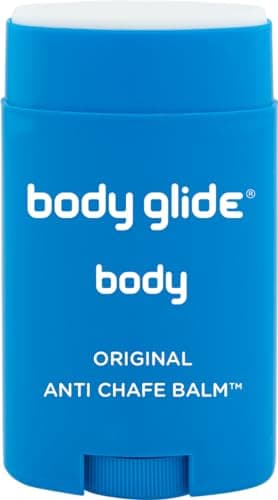
Irritation is different: redness, stinging, tightness, and flaking — often in places you never break out, like cheeks and around the mouth. That's your barrier waving a white flag, not a purge. Scale back to once or twice a week, sandwich every application, and give the off-nights to barrier repair — a rich moisturizer, or a night of slugging with a plain occlusive balm to lock moisture in while things calm down. If breakouts or irritation are still going strong past eight weeks, stop and see a dermatologist rather than pushing through.
What not to mix with retinol — and the non-negotiable SPF rule
On retinol nights, retinol works alone. Skip AHAs and BHAs (glycolic, lactic, salicylic acid) — exfoliating acids plus retinol is how barriers get wrecked. Skip benzoyl peroxide, which can destabilize some retinoids and compounds the irritation. And save vitamin C for the morning — not because the two combust on contact, but because vitamin C pairs beautifully with daytime sunscreen, and stacking two strong actives at night doubles your irritation risk for no extra payoff. Alternate nights are fine: acids Tuesday, retinol Wednesday.
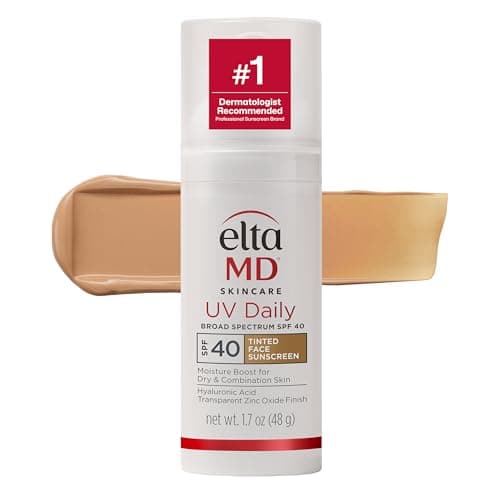
The one rule with zero flexibility: sunscreen every single morning, SPF 30 or higher. Retinol makes your skin more sensitive to UV, and unprotected sun exposure actively works against everything the retinol is doing — you'd be paying for collagen support at night and burning it down by day. If you want one product to handle SPF plus a little evening-out of tone, a tinted sunscreen pulls double duty. No morning sunscreen, no retinol. That's the deal. Vitamin C is a common morning partner for a nighttime retinol routine; our Total Package Serum review covers one vitamin C, hyaluronic acid and tri-peptide serum in detail.
Retinol vs. retinal vs. tretinoin: the strength ladder
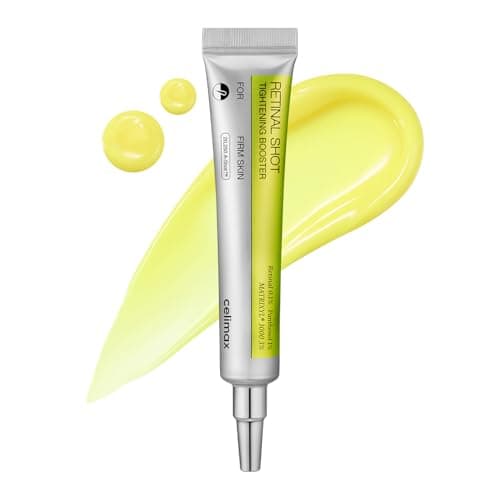
All retinoids end up as retinoic acid in your skin; the difference is how many conversion steps it takes to get there. Retinol needs two steps, which makes it the gentlest and slowest — the right first rung. Retinal (retinaldehyde) needs just one step, so it works noticeably faster in comparative studies while staying over-the-counter; it's the logical upgrade once you've tolerated retinol for six months or more. Tretinoin is retinoic acid itself — no conversion, prescription-only in the US, the most evidence and the most irritation. There's also adapalene, an OTC retinoid that's FDA-approved specifically for acne, if breakouts are your main concern.
Climb the ladder only when the current rung stops challenging your skin, and expect a mini adjustment period with each step up. And one hard stop: if you're pregnant, trying to become pregnant, or breastfeeding, skip retinoids entirely — oral retinoids cause birth defects, and topical versions are advised against as a precaution. Ask your doctor what to use instead; azelaic acid is a common pregnancy-safe answer.
Read our CeraVe Moisturizing Lotion review
The bland, fragrance-free moisturizer that makes a retinol routine survivable — and the classic pick for the sandwich method.
Read our CeraVe Moisturizing Lotion reviewFrequently asked questions
How often should a beginner use retinol?
Two nights a week for the first two weeks, then every third night, building to every other night over about a month. A pea-size amount of 0.25-0.3% retinol at night is plenty. Increase frequency only when your skin handles the current pace without redness or flaking.
Can I use retinol every night?
Eventually, if your skin tolerates it — work up over one to two months. But nightly use isn't required for results; many people get excellent long-term results at three or four nights a week with far less irritation. Consistency over years matters more than frequency per week.
Why is my skin purging?
Retinol speeds up cell turnover, so clogs already forming under the surface reach the surface faster and all at once. A true purge appears where you normally break out and settles within two to six weeks. If breakouts appear in new places, or you're mostly red, stinging, and flaky, that's irritation — cut back your frequency.
What strength retinol should I start with?
0.25% to 0.3%. Higher strengths don't shortcut the timeline — they mostly shortcut your patience via irritation. Move up to 0.5% and then 1% only after months of comfortable use, and only if you feel results have plateaued.
Can I use retinol with vitamin C?
Use them at different times: vitamin C in the morning under sunscreen, retinol at night. They're not dangerous together, but layering two strong actives at once raises irritation risk without a meaningful payoff, and vitamin C does its best work in daylight hours anyway.
Can I use retinol while pregnant?
No — skip all retinoids while pregnant, trying to conceive, or breastfeeding. Oral retinoids are known to cause birth defects, and topical retinoids are advised against as a precaution. Ask your doctor or OB for alternatives; azelaic acid is a commonly recommended pregnancy-safe option.
TopCrate is reader-supported. When you buy through links on our site we may earn an affiliate commission, at no extra cost to you. Content is for general information and isn't a substitute for professional advice.