SKINCARE 101
Tinted Sunscreen: What the Tint Actually Does, and the Best Ones for Every Skin Tone
Iron oxides, visible light, and why tinted SPF isn't just makeup — plus the best tinted sunscreens and two honest no-white-cast alternatives, from drugstore to derm-office prices.
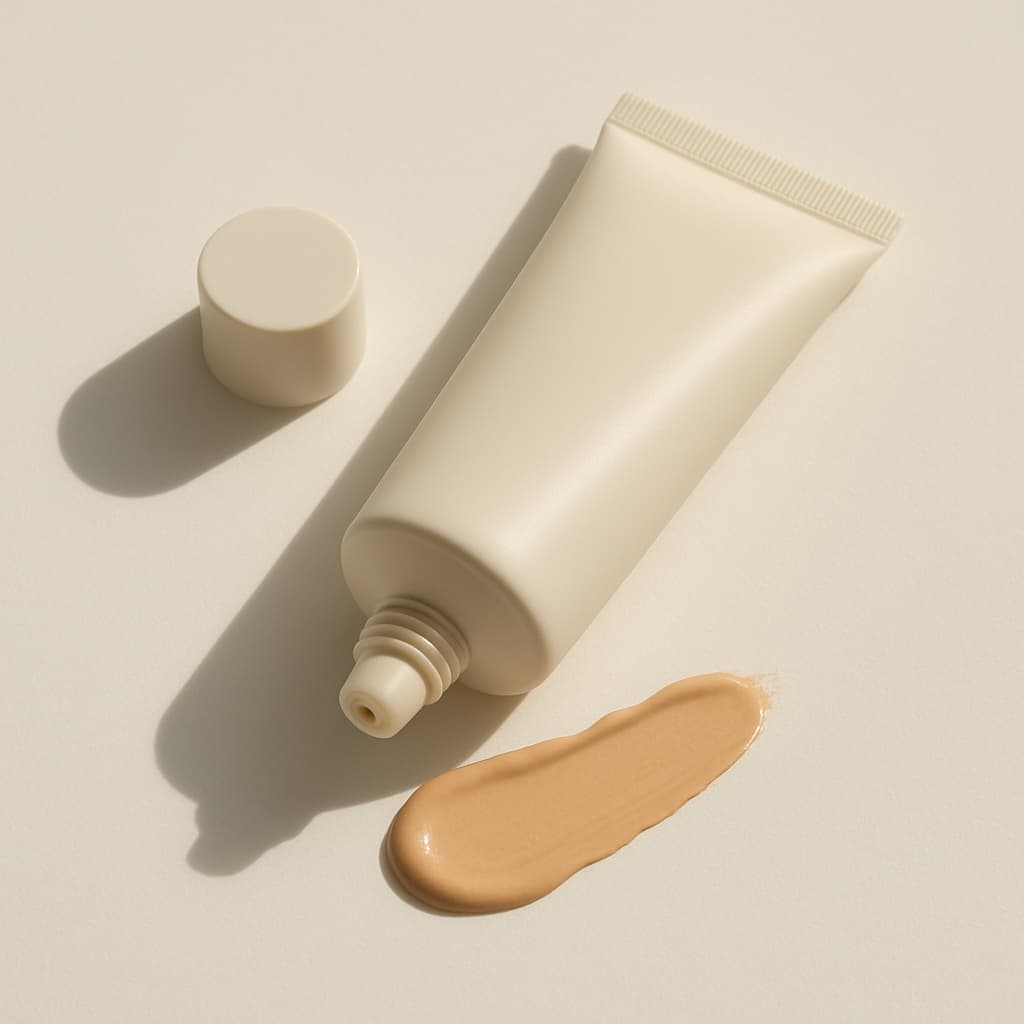
Tinted sunscreen looks like a cosmetic gimmick — sunscreen, but make it beige — and it's actually one of the few skincare categories where the tint is doing real protective work. The pigments that give it color block a kind of light that regular sunscreen mostly ignores, which matters a lot if hyperpigmentation or melasma is your main concern.
Here's the full picture: what tinted sunscreen actually is, what iron oxides do that plain SPF doesn't, the honest comparison against regular sunscreen and makeup-with-SPF, how much you need to apply for the number on the bottle to mean anything, and the specific bottles worth your money — including two no-white-cast picks that technically aren't tinted at all.
What is tinted sunscreen, exactly?
A tinted sunscreen is almost always a mineral sunscreen — zinc oxide or titanium dioxide — with iron oxides added. Iron oxides are earthy mineral pigments (the same family used in foundations) that come in shades of red, yellow, and black, blended to a skin-ish tone. The result usually applies more like a light skin tint than a foundation: one universal-ish shade, sheer coverage, a bit of evening-out.
The tint solves mineral sunscreen's most famous problem: the white cast. Zinc and titanium sit on top of skin and scatter light, which reads as a ghostly gray film — subtle on very fair skin, glaring on medium and deep skin tones. Iron oxides counteract the cast while adding their own layer of protection, which is the part most people don't know about.
The real benefit: iron oxides block visible light
Regular sunscreen — even excellent regular sunscreen — is built to block UV. But visible light, the light you can actually see, also reaches deep into skin and can trigger and worsen pigmentation, particularly in medium and deep skin tones. If you've ever treated melasma or dark spots diligently, worn SPF 50 daily, and watched the pigment come back anyway, visible light is a likely culprit. Untinted sunscreens, mineral or chemical, do very little about it.
Iron oxides physically block visible light, and dermatology research has repeatedly found that iron-oxide tinted sunscreens protect against visible-light-induced pigmentation meaningfully better than untinted SPF. That's why dermatologists treating melasma so often specify tinted mineral sunscreen rather than just 'wear sunscreen.' To be clear about the boundary: tinted sunscreen helps prevent pigment from getting worse — it doesn't treat or remove existing melasma, and melasma itself is stubborn enough that it's worth managing with a dermatologist, not just a product swap.
Tinted sunscreen vs. regular sunscreen vs. makeup with SPF
Against regular sunscreen: for UV alone, a plain SPF 30+ you enjoy wearing every day is already a win. Tinted earns its spot if pigmentation is your concern, if you want a hint of coverage on no-makeup days, or if white cast has been the reason you skip mineral SPF. If none of those apply, regular sunscreen is not a compromise.
Against makeup with SPF: this one needs honesty. SPF ratings are measured at a thick standard dose — about a quarter teaspoon for the face — and nobody applies foundation or powder anywhere near that thick. A dusting of SPF 15 powder over your face delivers a small fraction of the labeled protection. Makeup SPF is a nice bonus layer, not a plan. Tinted sunscreen flips that: it's a real sunscreen at a real dose that happens to look a little like makeup, which is exactly the right order of operations.
How much tinted sunscreen to apply (the two-finger rule)
The number on the bottle assumes a full dose, and almost everyone under-applies. The easy benchmark is the two-finger rule: squeeze a line of sunscreen down the length of your index and middle fingers, and that's the amount for your face and neck. It will feel like too much. It's the correct amount — the tested amount — and with a good tinted formula it blends down within a few minutes.
Reapplication: every two hours during actual sun exposure, and immediately after swimming or heavy sweating. If you're indoors all day away from bright windows, the two-hour rule matters much less than simply nailing the morning application. For beach days, sports, and long outdoor stretches, it's non-negotiable — and a tinted stick or cushion-style formula makes midday top-ups less of a production.
The best tinted sunscreens: two picks worth buying
The drugstore benchmark is La Roche-Posay Anthelios Mineral Tinted Ultra-Light Fluid SPF 50 — a 100% mineral, titanium-dioxide fluid with iron oxides, around $40 for 1.7 oz. It's runny (shake it well), sets to a soft matte finish, and is the formula dermatologists name most when a patient with melasma asks what to buy. The honest caveat: it comes in one universal tint, which flatters a wide middle range of skin tones but can pull slightly orange on very fair skin and still show on very deep tones. If it matches you, it's the best value in the category.
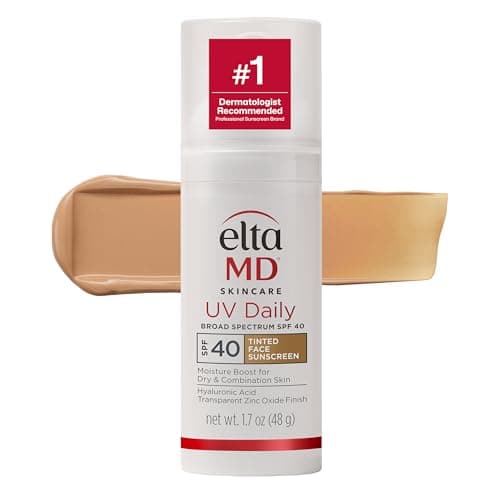
The derm-office favorite is EltaMD UV Clear Tinted Broad-Spectrum SPF 46 — about $47, and the step up buys elegance and skin-friendliness: a feather-light lotion built around zinc oxide (plus one chemical filter, octinoxate), with niacinamide in the formula, designed for acne-prone, rosacea-prone, and generally cranky skin. It's the tinted sunscreen people with reactive skin tend to actually stick with, which is worth more than any spec sheet. Pricier per ounce than the La Roche-Posay, and worth it mainly if breakouts or sensitivity have ruined sunscreens for you before.
No white cast without the tint: two honest alternatives
Full honesty: two of the internet's favorite 'no white cast' sunscreens aren't tinted at all — they solve the cast problem by using chemical filters instead of minerals, and they deserve a place in this conversation. Beauty of Joseon Relief Sun: Rice + Probiotics SPF 50+ is the K-beauty standout, under $20 for 50ml, with a texture closer to a light moisturizer than a sunscreen — no cast on any skin tone, no greasy film, genuinely pleasant to reapply. Note that it uses newer-generation UV filters not yet FDA-approved, so it's sold in the US as an import; buy from a reputable retailer. Because it has no iron oxides, it also doesn't offer the visible-light benefit — it's the pick for people whose enemy is white cast, not melasma.
Black Girl Sunscreen SPF 30 was built specifically for melanin-rich skin: a chemical-filter lotion around $16 for 3 oz that dries completely clear — no cast, no gray film, no flashback in photos — with a moisturizing avocado-and-jojoba base that doubles as your morning lotion. Same honest note applies: it protects against UV, not visible light. If your priority is invisible daily UV protection on deep skin tones at a fair price, it's exactly the tool for the job — and if melasma is in the picture, pair your routine with one of the iron-oxide tinted picks above instead.
Read our La Roche-Posay Anthelios review
The dermatologist-favorite sunscreen line behind our top tinted pick — here's the full verdict on the range and which formula to buy.
Read our La Roche-Posay Anthelios reviewFrequently asked questions
Is tinted sunscreen better than regular sunscreen?
For UV protection alone, no — a properly applied regular SPF 30+ protects just as well. Tinted sunscreen is better specifically when pigmentation is a concern: its iron oxides block visible light, which contributes to melasma and dark spots and which regular sunscreen largely ignores. It also eliminates mineral white cast.
Does tinted sunscreen replace foundation?
It can replace light-coverage foundation or skin tint on everyday days — most tinted sunscreens even out tone the way a sheer tint does. It won't replace medium or full coverage. Many people wear tinted sunscreen alone on weekdays and add foundation on top when they want more.
Is tinted sunscreen good for melasma?
It's one of the most useful daily tools, because iron oxides block the visible light that helps trigger melasma pigment — protection untinted SPF doesn't offer. But it prevents worsening rather than treating existing pigment. Melasma is stubborn and hormonally driven, so see a dermatologist for actual treatment.
Does tinted sunscreen work on dark skin tones?
The iron-oxide benefit is especially relevant for deeper skin tones, which are more prone to visible-light pigmentation — but shade matching is the catch, since many 'universal' tints still show. Test before committing, or choose a clear-drying chemical sunscreen made for melanin-rich skin and reserve tinted formulas for when you find a true match.
How often should I reapply tinted sunscreen?
Every two hours during actual sun exposure, and right after swimming or heavy sweating. For an indoor desk day away from bright windows, the morning application does most of the work. Sticks, cushions, and SPF powders make over-makeup touch-ups easier — just remember powders alone are a bonus, not a full dose.
Does makeup with SPF count as sun protection?
Barely. SPF ratings assume a thick standard dose — roughly a quarter teaspoon for the face — and typical foundation or powder application is a small fraction of that, so you get a small fraction of the labeled protection. Treat makeup SPF as a bonus layer over real sunscreen, never as the plan.
TopCrate is reader-supported. When you buy through links on our site we may earn an affiliate commission, at no extra cost to you. Content is for general information and isn't a substitute for professional advice.