SKINCARE 101
Crepey Skin: Why It Happens, What Actually Helps, and What's Just Expensive Hope
The thin, finely-wrinkled texture on arms, neck, and under-eyes has clear causes — sun first among them — and a short list of fixes that genuinely improve how it looks.
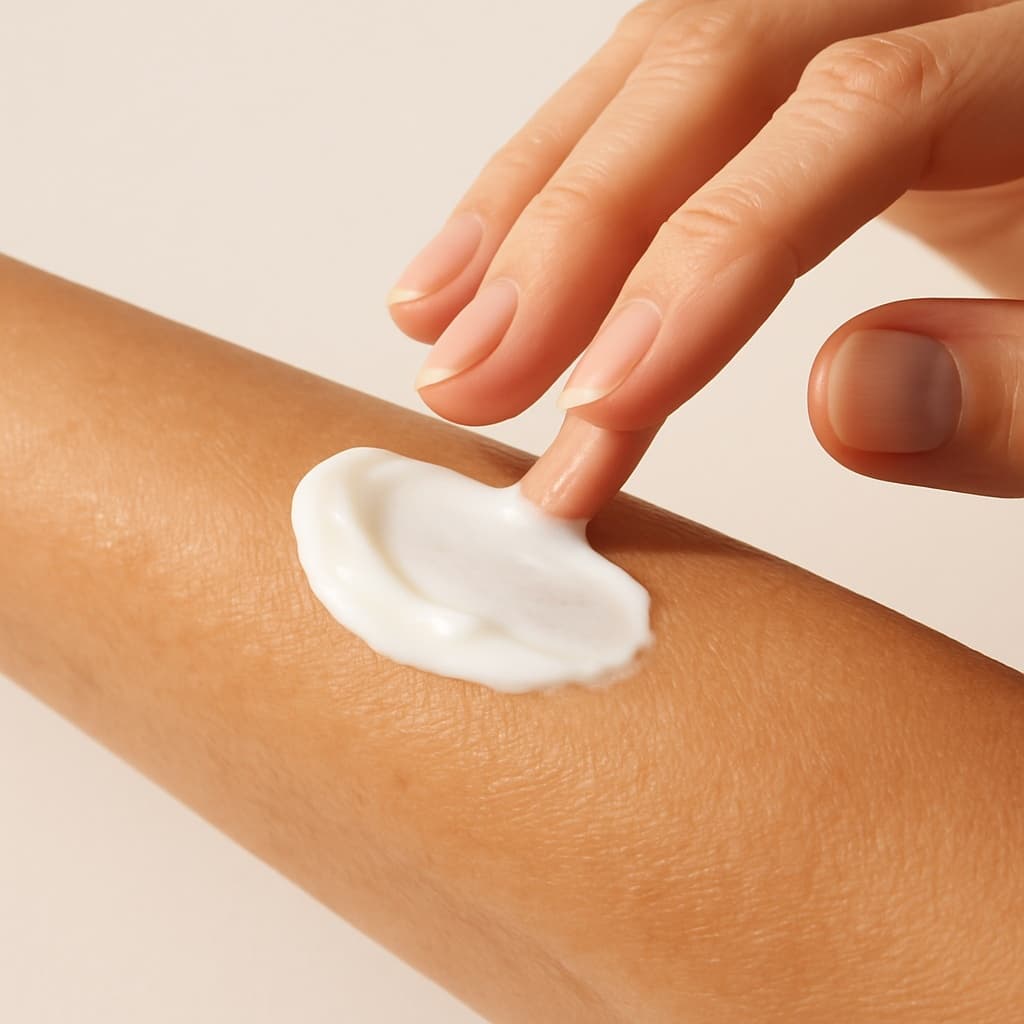
Crepey skin sneaks up on people: one day the skin on your forearm or under your eyes folds like crepe paper when you move, thin and finely wrinkled in a way that's different from a deep line. It's one of the most common texture changes of aging skin — and one of the most misunderstood, because a whole industry sells creams named after it while the biggest cause and the best prevention barely get mentioned.
This guide covers what crepey skin actually is, why sun exposure is the main culprit, where it shows first, the fixes ranked honestly — from rich moisturizers to retinoids to what a dermatologist can do that no cream can — and how to keep the skin you have from going crepey in the first place.
What Crepey Skin Is (and How It Differs From Wrinkles)
Crepey skin is thin skin that has lost some of its structural spring. Deep in the dermis, collagen provides firmness and elastin provides snap-back; when both decline, the surface stops resisting movement and starts folding into dozens of fine, papery creases — the crepe-paper texture the name describes. A wrinkle is a specific line worn into a specific spot by repeated movement; crepiness is a whole patch of skin turning lax and finely textured at once.
Dryness amplifies it dramatically. Well-hydrated skin is plump, and plump skin holds its surface smooth; dehydrated skin deflates slightly, and the thinner and looser the skin, the more that deflation reads as visible crinkling. That's why crepey texture often looks worse in winter, after long hot showers, and at the end of a dry day — and why hydration is the fastest cosmetic lever you can pull, even though it isn't the root story.
The Causes: Sun First, Then Age, Then Everything Else
The biggest single cause of crepey skin is ultraviolet light. UV exposure breaks down existing collagen and elastin and slows the production of new supply — dermatologists call the result photoaging, and it's why crepiness shows up on the sun-exposed forearms, chest, and neck of people whose covered skin still looks a decade younger. Age is the second driver: collagen production naturally declines from our twenties onward, skin gradually thins, and hormonal shifts — particularly the estrogen drop around menopause — accelerate the thinning.
The supporting cast: genetics deal the baseline hand; smoking speeds collagen breakdown; significant weight loss can leave skin that no longer fits its frame; and chronic dryness makes every one of the above look worse. Notice what that list means for strategy — you can't change your genes or your birthdays, but the number one factor is substantially controllable, which is why the boring advice at the end of this article is also the most powerful.
Where It Shows First: Under-Eyes, Arms, Neck, Hands
Crepey texture debuts where skin is thinnest and sunniest. The under-eye area is usually first — that skin is the thinnest on the body, works constantly, and catches sun most people's sunscreen routine misses. The neck and chest follow, thin-skinned and perpetually exposed. The forearms and the backs of the hands round out the list: decades of incidental sun through car windows and short sleeves, on skin with relatively little supporting fat beneath it.
Knowing the map matters because it sets the treatment logic: these are targeted zones, not full-body problems. A rich cream you'd never buy in body-lotion quantities becomes affordable when it only needs to cover the backs of your hands and the skin under your eyes — which is exactly the niche that targeted products like the Dr. Melasmin calcium balm stick are shaped for.
What Actually Helps, Ranked Honestly
Tier one, immediate and cosmetic: hydration. Rich moisturizers with humectants (glycerin, hyaluronic acid, urea) pull water into the surface while occlusives seal it there, and water-plumped skin visibly smooths — light reflects evenly instead of catching in every micro-fold. The effect appears in minutes and lasts hours, and it's the honest mechanism behind nearly every product marketed for crepey skin, including targeted balms; our Dr. Melasmin review covers one built specifically for the under-eye, neck, and hand zones. Ingredients with extra evidence for aging skin: lactic acid and urea (gently exfoliate while hydrating) and peptides (modest but real support).
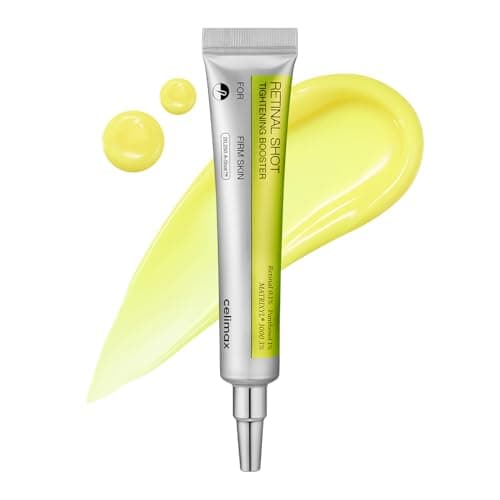
Tier two, gradual and structural: a retinoid. Retinol and its prescription cousins are the best-evidenced topicals for stimulating collagen production over months of consistent use — the only cream-format option that works on the cause rather than the appearance. Start low and slow, especially on thin areas; our guide on how to use retinol covers the ramp-up that avoids irritation. Pair it with overnight occlusion on very dry patches — the slugging technique — and morning SPF, always, since a retinoid without sun protection is rowing against the tide. For the daily serum step, our Total Package Serum review explains what a vitamin C, hyaluronic acid and tri-peptide formula can and can't do.
What a Dermatologist Can Do That No Cream Can
Honesty about ceilings: once skin is significantly lax, topicals improve its appearance but cannot rebuild years of lost structure. The in-office options genuinely can, to varying degrees — fractional lasers and radiofrequency treatments stimulate deeper collagen remodeling, microneedling does similar work mechanically, and biostimulatory injectables address volume and texture together. These come with real costs, downtime, and the need for realistic expectations, which is exactly why the conversation belongs with a board-certified dermatologist rather than a product page.
See a professional promptly for anything beyond texture: a patch that changes color, bleeds, scales persistently, or appears suddenly isn't a cosmetic question. And if crepiness arrived unusually fast or young, a dermatologist can also rule out the less common medical contributors — medications and certain conditions can thin skin, and that's worth knowing before spending on creams.
Prevention: The Unglamorous Program That Works
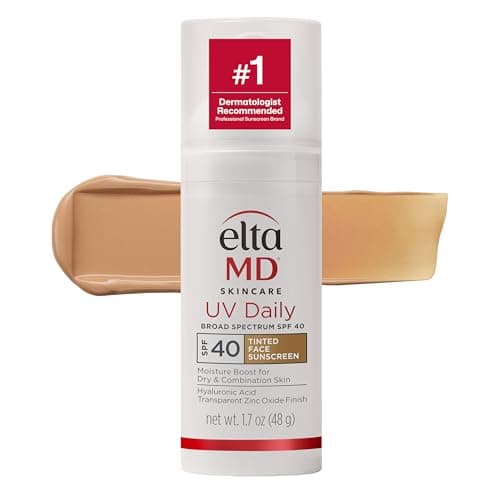
Everything above is repair; prevention is cheaper and better. Daily broad-spectrum SPF 30 or higher on the exposed zones — face, neck, chest, forearms, hands — is the single highest-impact habit, because it protects the collagen you still have. It's not summer advice; it's a 365-day habit, and the forearm resting on your car door needs it as much as your face does. Add sun-protective clothing for long outdoor days and you've addressed the top cause directly.
The rest is maintenance: moisturize the target zones daily (skin that never gets deeply dry never shows its crepiness at full strength), keep showers warm rather than hot, don't smoke, and stay generally hydrated. None of it is exciting, and all of it beats any single product. The realistic pitch: SPF prevents, retinoids slowly rebuild, and rich targeted hydration makes today look better — run all three and crepey skin becomes something you manage on your terms.
Read our Dr. Melasmin Calcium Stick review
The targeted balm stick for crepey under-eyes, neck, and hands — reviewed as what it honestly is.
Read our Dr. Melasmin Calcium Stick reviewFrequently asked questions
What causes crepey skin?
Sun exposure is the biggest cause — UV breaks down the collagen and elastin that keep skin firm and springy. Natural aging, hormonal shifts (especially around menopause), genetics, smoking, significant weight loss, and chronic dryness all contribute. That's why it shows first on thin, sun-exposed areas: under-eyes, neck, chest, forearms, and hands.
Can crepey skin be reversed?
Improved, honestly — reversed only partially. Rich hydration visibly smooths the texture within minutes and lasts hours. Retinoids used consistently for months genuinely stimulate collagen and improve texture. Significant laxity, though, is structural, and only in-office dermatology treatments — lasers, radiofrequency, microneedling — rebuild deeper structure to a meaningful degree.
What is the best cream for crepey skin?
For immediate appearance: a rich moisturizer combining humectants (glycerin, hyaluronic acid, urea) with occlusives to seal water in — targeted balm sticks suit the under-eye and hand zones. For long-term improvement: a retinoid, started gradually. For prevention: daily SPF 30+, which protects the collagen every other product is trying to save.
Why is the skin under my eyes crepey?
Under-eye skin is the thinnest on the body, moves constantly, and often misses sunscreen — so collagen loss shows there first. Gentle habits help: rich targeted hydration applied without tugging, a carefully introduced retinoid, and daily SPF. Sudden or one-sided changes are worth showing a dermatologist.
Does drinking water fix crepey skin?
Hydration matters, but topically more than internally. Normal water intake keeps skin functioning, yet drinking extra glasses won't plump crepey texture — moisturizers that hold water in the skin's surface layers are what visibly smooth it. Think SPF and moisturizer first, water bottle as backup.
Do collagen supplements help crepey skin?
The evidence is mixed and modest — some studies show small improvements in elasticity and hydration, though many are industry-funded and effects are subtle. They're not harmful for most people, but proven money goes further: daily sunscreen, a retinoid, and rich moisturization have far stronger track records.
TopCrate is reader-supported. When you buy through links on our site we may earn an affiliate commission, at no extra cost to you. Content is for general information and isn't a substitute for professional advice.