SKINCARE 101
How to Get Rid of Dark Circles: Match the Fix to the Cause, Because There Are Four Different Causes
Dark circles are four different problems wearing one name — shadow, pigment, visible vessels, and lifestyle — and the fix that works for one does nothing for another.
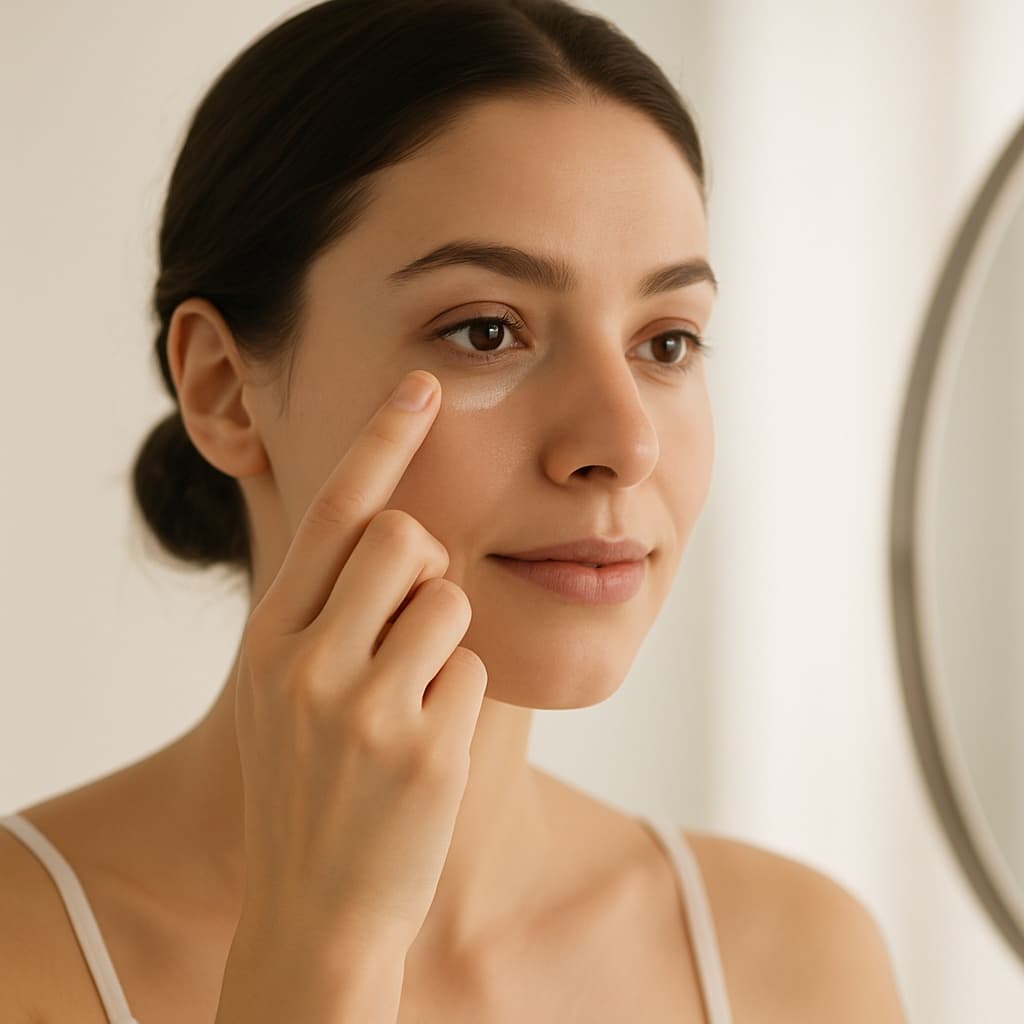
The reason most dark-circle advice disappoints is that dark circles aren't one thing. Four different problems produce the same tired look in the mirror: shadows cast by the shape under your eyes, actual pigment in the skin, blood vessels showing through thin skin, and the puffiness-and-pallor of lifestyle factors like short sleep and allergies. Each has different fixes — and buying the fix for the wrong type is how a drawer fills with disappointing eye creams.
This guide helps you identify which type you have, then walks the honest fixes for each: the lifestyle levers that cost nothing, the topicals that help specific types, the targeted hydration that improves the crepey-tired look, the instant answer nobody should be too proud for, and the structural cases where only a dermatologist's toolkit makes a real difference.
First, Diagnose: The Stretch Test and the Light Test
Two quick checks sort most people. The stretch test: gently pull the under-eye skin taut to the side. If the darkness fades as the skin stretches, shadow from a hollow or from lax, crepey skin is a main player. If the dark color moves with the skin and stays put, you're looking at pigment or visible vessels in the skin itself. The light test: face a window and tilt your chin up so light fills the under-eye area — shadow-type circles vanish under direct light, while pigment-type circles stay stubbornly brown regardless of angle.
Color is the second clue. Brownish circles point to pigment (more common in medium and deeper skin tones, often with a genetic component). Blue-purple circles point to blood vessels showing through thin skin. A darkness that's really a groove — a line from the inner corner curving down the cheek — is the tear trough, which is anatomy, not color. Most people are a blend, but the dominant type decides where your money should go.
The Lifestyle Levers: Free, Boring, and Genuinely Effective
Short sleep makes every type of dark circle worse — skin pales with fatigue, which makes vessels and pigment more visible, while fluid pools under the eyes into shadow-casting puffiness. If your circles are dramatically worse after bad weeks, that's your cheapest diagnosis; our guide on how to fix your sleep schedule is the honest starting prescription. An extra pillow's worth of head elevation also helps overnight fluid drain instead of pooling.
Allergies are the most underrated culprit: histamine dilates the vessels under the eyes and the itching leads to rubbing, which over time genuinely darkens the skin — dermatologists call the rubbing-related pigment change a real and preventable problem. Managing allergies and breaking the eye-rubbing habit can visibly improve circles in weeks. Round out the list with hydration, moderate salt in the evening (less fluid retention), and going easy on alcohol before bed, which shows up under your eyes before it shows up anywhere else.
Topicals That Help — Matched to Type
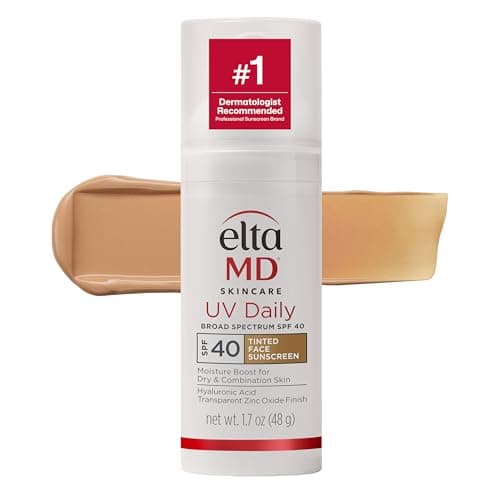
For pigment-type circles: vitamin C serums and daily SPF are the evidence-backed pair — vitamin C brightens gradually, and sunscreen stops the pigment from deepening, which it does with every unprotected sunny day. Under-eye SPF is the most skipped centimeter of sunscreen on the face. For vessel-type circles: caffeine-containing eye products constrict vessels temporarily and can take the edge off the blue; modest but real.
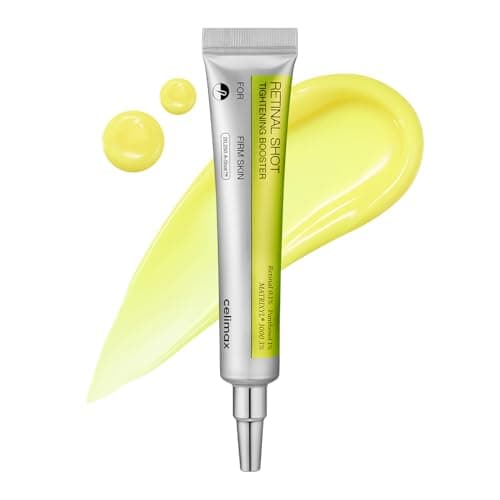
For thin, crepey, tired-looking under-eyes — the type that reads as darkness because deflated skin catches shadows — rich targeted hydration is the fastest visible win: plumped skin reflects light evenly and immediately looks fresher. That's the honest niche of balm-stick products like Dr. Melasmin, reviewed on this site as the hydrating cosmetic it is rather than the cure its ads suggest. Longer term, a cautiously introduced retinoid thickens and smooths under-eye skin over months; our guide on how to use retinol covers the gentle ramp that delicate area demands.
The Instant Fix Nobody Should Skip: Concealer Done Right
While the gradual fixes work, makeup solves today, and it deserves more respect than skincare culture gives it. The technique matters more than the product: a peach or orange-toned corrector neutralizes blue-purple circles before concealer goes on, while brown pigment-type circles want a concealer one shade lighter than your skin with warm undertones. Thin layers, patted with a ring finger or damp sponge, set lightly — heavy product settles into fine lines and trades one tired look for another.
Cold also earns its keep as a morning ritual: a chilled spoon, refrigerated eye cream, or a cold compress for a few minutes constricts vessels and drains puffiness — a real, if temporary, improvement that stacks nicely under makeup. None of this is a cure; all of it is a good day's appearance while the slower fixes compound.
The Structural Truth: When Only a Dermatologist Can Help
If the stretch test pointed at hollows — a tear trough groove that deepens with age as fat pads shift and cheek volume descends — no cream will fix it, because there's nothing wrong with the skin's color. The darkness is a shadow, and shadows respond to structure. The professional options that genuinely address it: hyaluronic acid filler placed by an experienced injector softens the groove, and for pronounced cases there are surgical options. For stubborn pigment-type circles, dermatologists offer lasers and professional-grade brightening protocols well beyond what over-the-counter products deliver.
This is also the moment for medical honesty: circles that appeared suddenly, darkness that's one-sided, or under-eye changes accompanied by swelling and other symptoms deserve a doctor's look rather than a shopping trip — occasionally dark circles are a sign of something systemic, from allergies to thyroid issues. And for anyone whose circles simply run in the family: genetics set a floor no product removes, and the goal shifts honestly from erasing to improving — which everything above still does.
Read our Dr. Melasmin Calcium Stick review
The targeted under-eye balm we reviewed with the marketing stripped out — what it does for tired-looking eyes and what it can't.
Read our Dr. Melasmin Calcium Stick reviewFrequently asked questions
What deficiency causes dark circles?
Usually none — the common causes are genetics, thin skin showing vessels, pigmentation, under-eye hollows, short sleep, and allergies. That said, iron deficiency and general anemia can contribute to a paler, more shadowed look, so if circles arrived alongside fatigue or other symptoms, a routine checkup with bloodwork is a reasonable step.
Can dark circles be removed permanently?
Only structural fixes approach permanence: filler for hollow-type circles lasts many months to years, and laser treatment can durably reduce pigment-type circles. Genetic pigment and thin skin can be improved but not erased. Everything topical — creams, vitamin C, hydrating balms — is maintenance that works while you keep using it.
Why do I have dark circles even with enough sleep?
Because sleep is only one of four causes. If the darkness persists on your best-rested weeks, it's likely pigment in the skin, vessels showing through thin skin, or shadows cast by under-eye hollows — do the stretch and light tests to tell which. Well-rested people with genetic or structural circles are the biggest buyers of disappointing eye creams.
Does drinking water help dark circles?
Mildly, for the dehydration component — dehydrated skin looks slightly sunken, which deepens shadows. But water won't touch pigment, vessels, or hollows. Topical hydration does more for appearance than an extra glass: plumped under-eye skin reflects light better within minutes.
What is the best eye cream for dark circles?
Match it to your type: vitamin C plus daily SPF for brown pigment-type circles, caffeine products for blue vessel-type, rich hydrating balms for crepey tired-looking skin, and a gentle retinoid for long-term thickening. No single cream treats all four types, which is why 'best eye cream' lists disappoint half their readers.
Do cold spoons actually work for dark circles?
For the puffiness-and-vessel component, yes, temporarily: cold constricts the blood vessels and moves fluid out, so eyes look brighter for a few hours. It does nothing for pigment or hollows. As a free two-minute morning ritual before concealer, it's legitimate; as a cure, no.
TopCrate is reader-supported. When you buy through links on our site we may earn an affiliate commission, at no extra cost to you. Content is for general information and isn't a substitute for professional advice.