TRENDING ON AMAZON
Sun Bum Original SPF 30 Sunscreen Lotion Review: Is It Worth It?
The reef-friendly, coconut-scented SPF 30 that actually feels good to reapply — the beach-day sunscreen your family will use without being nagged.
Quick answer: Sun Bum Original SPF 30 is the sunscreen you'll actually reapply, which is the trait that determines real-world protection. It's not the strongest, the cheapest, or the most mineral-pure option, but it's the one families keep coming back to because it makes sun protection pleasant instead of medicinal. For beach and pool days, this is the modern classic.
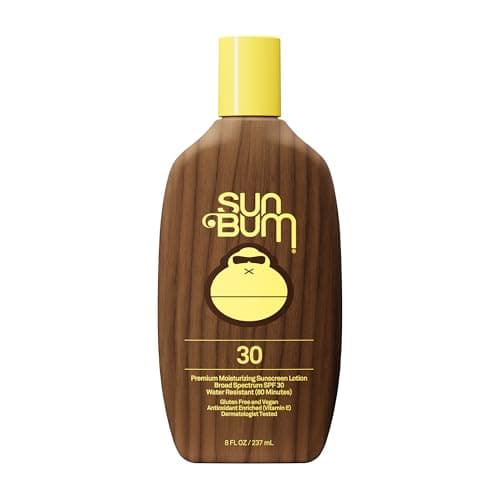
Product image from the Amazon listing.
Our verdict
Sun Bum Original SPF 30 is the sunscreen you'll actually reapply, which is the trait that determines real-world protection. It's not the strongest, the cheapest, or the most mineral-pure option, but it's the one families keep coming back to because it makes sun protection pleasant instead of medicinal. For beach and pool days, this is the modern classic.
The short version
Sun Bum Original SPF 30 is the sunscreen that turned reapplication from a chore into a beach ritual. It's a broad-spectrum UVA/UVB chemical sunscreen (avobenzone, octisalate, octocrylene, homosalate) with vitamin E, tropical scent, and none of the oxybenzone or octinoxate banned in Hawaii and other reef zones. The formula spreads easily, absorbs without a heavy white cast, and has the specific coconut-plus-banana scent that people either love or love. It's not the most protective option available (SPF 30 vs SPF 50+) and it's not mineral, but it's the one families and beach-goers will actually reapply every 90 minutes because it doesn't feel medicinal. That's the trait that makes it work.
Pros & cons
Pros
- Reef-friendly formula (no oxybenzone or octinoxate)
- Coconut-plus-banana scent is beloved by many
- Spreads easily, absorbs without visible white cast
- Broad-spectrum UVA/UVB SPF 30
- Vitamin E for post-sun skin recovery
- Available in lotion, spray, stick, and lip balm formats
Cons
- SPF 30, not SPF 50 — reapply more often
- Chemical filters (not mineral) may irritate very sensitive skin
- Scent is polarizing (love-it-or-hate-it)
Why people love it
Broad-spectrum chemical filters
Avobenzone (UVA), octisalate + octocrylene + homosalate (UVB) absorb UV energy and dissipate it as heat before it reaches skin cells.
Reef-friendly formulation
Contains none of the oxybenzone or octinoxate banned in Hawaii, Key West, and several reef-nation regulations because of coral bleaching evidence.
Vitamin E supports recovery
Antioxidant vitamin E supplements the skin's own free-radical defense — helps limit post-sun oxidative damage even when some UV inevitably gets through.
Who it's for
- Family beach trips
- People who won't reapply a medicinal-feeling sunscreen
- Reef-conscious travelers to Hawaii, Mexico, and Caribbean
- Anyone with normal skin who wants a pleasant daily body SPF
Is Sun Bum sunscreen worth the premium over Coppertone or Banana Boat?
The core UV protection between Sun Bum and cheap drugstore sunscreens (Coppertone, Banana Boat) is essentially identical — they use the same class of chemical filters at similar concentrations, and they all meet the FDA's broad-spectrum labeling requirements. What Sun Bum charges more for: the reef-friendly filtering (no oxybenzone or octinoxate — meaningful for reef zones), the pleasant tropical scent, vitamin E for post-sun skin recovery, and the packaging aesthetic. The differences are real but incremental.
The 'worth it' question comes down to two things. First: does the pleasant experience actually make you reapply more? If the smell and feel of Sun Bum means you reapply every 90 minutes on a beach day instead of once and forget, the extra protection is worth many dollars per ounce. Second: are you traveling to Hawaii, Key West, Aruba, or another reef-zone destination? Oxybenzone-containing sunscreens are illegal or heavily restricted there, so you'd need to buy reef-friendly anyway. If neither reason applies, a bottle of Banana Boat Sport SPF 50 works fine and costs half as much.
How to build a real sun-protection routine (beyond just 'wear sunscreen')
Sunscreen is one part of sun protection, not the whole strategy. The dermatologist consensus recommends a layered approach: (1) Seek shade during peak UV hours (10 am to 4 pm) whenever possible. (2) Wear UPF-rated protective clothing (rash guards, wide-brim hats, UPF shirts) as your primary defense — fabric protection doesn't wash off or fail to reapply. (3) Sunscreen on exposed skin (face, neck, ears, hands, feet) applied 15-20 minutes before sun exposure. (4) Reapply every 90 minutes, or immediately after swimming, sweating heavily, or towel-drying. (5) Apply more than you think — most people use half the recommended dose, which delivers half the labeled SPF. A shot glass full for a whole body.
Common mistakes: sunscreen expired more than 3 years old (avobenzone degrades), sunscreen stored in a hot car (heat breaks down active ingredients), only sunscreening exposed skin visible to yourself (missing ears, backs of knees, feet), and skipping reapplication because 'I already put some on.' Sunscreen is a re-application tool, not a one-time shield. The people who skin-cancer well are people who reapply religiously and combine sunscreen with shade and clothing. Sun Bum's specific value is that its texture and scent make reapplication easier.
Chemical vs mineral sunscreens: which is right for you, and where Sun Bum fits
The chemical-vs-mineral debate is more nuanced than the internet suggests. Chemical filters (avobenzone, octisalate, octocrylene, homosalate — all used in Sun Bum's Original line) absorb UV energy and convert it to heat. They spread easily, absorb clearly, and offer strong protection. Downsides: some people have sensitivity reactions, some filters (notably oxybenzone) have environmental concerns, and they need to be applied 15-20 minutes before sun to activate. Mineral filters (zinc oxide, titanium dioxide) sit on top of skin and reflect UV. They work immediately, are the safest choice for babies and reactive skin, and have the cleanest environmental profile. Downsides: often leave a white cast (especially on darker skin tones), can feel heavier, and reapplication requires more effort.
Sun Bum makes both. The Original line (this review) is chemical. Their Mineral SPF 30 or SPF 50 lines use non-nano zinc oxide — reef-safer, gentler for sensitive skin, but with a slight white cast that some people find hard to blend on the face. For beach days on adult skin, Original is the pleasant-feel pick. For daily face SPF, sensitive skin, kids, or maximum reef safety, the Mineral line is the better choice. Most experienced Sun Bum users own both — Original for body, Mineral for face.
See Sun Bum Original SPF 30 on Amazon
Check the latest price, photos and buyer reviews on Amazon.
Check Price on Amazon →Sold and shipped by AmazonFrequently asked questions
Is Sun Bum SPF 30 actually enough sun protection?
For most beach and outdoor use with proper reapplication, yes. SPF 30 blocks about 97% of UVB, vs SPF 50's 98% — the difference at the moment of application is small. But it also means SPF 30 protection degrades to zero faster than SPF 50, so consistent reapplication every 90 minutes (or after swimming/sweating) is essential. If you're outdoors for a full day at high UV, you should reapply 4-6 times. If reapplication isn't going to happen consistently, upgrade to SPF 50+ for margin. Sun Bum's edge is that its texture makes reapplication easier, so many users net-net get more protection despite the lower SPF number.
Sun Bum vs Supergoop vs Neutrogena Ultra Sheer: which sunscreen should I actually buy?
They serve different roles. Sun Bum is the beach/body sunscreen — pleasant scent, easy spread, family-friendly, but heavier finish. Supergoop Unseen (which we also review) is the face sunscreen — invisible, primer-like finish under makeup, but higher-priced and less water-resistant. Neutrogena Ultra Sheer Dry Touch is the everyday high-SPF workhorse — up to SPF 100+, matte finish, cheap, but chemical filters and less pleasant to reapply. For beach/pool trips: Sun Bum. For daily face SPF: Supergoop. For a cheap everyday high-SPF that works for both face and body: Neutrogena. Most people own two — Sun Bum for outdoor days and Supergoop or Neutrogena for daily face.
Is Sun Bum really reef-friendly? What does that mean?
'Reef-friendly' means the sunscreen doesn't contain oxybenzone or octinoxate — the two ingredients most strongly associated with coral bleaching and reef damage. Sun Bum contains neither. Hawaii banned both in 2021, Key West in 2020, and Aruba, Bonaire and Palau have followed. Sun Bum's Mineral SPF 30 line (with non-nano zinc oxide) is even more reef-safe. Full disclosure: 'reef-friendly' as a category isn't scientifically airtight — some researchers argue even mineral sunscreens have subtle effects on marine life. But avoiding oxybenzone and octinoxate is the well-established minimum, and Sun Bum meets it.
How long does the coconut scent last?
The coconut-plus-banana scent is strongest right at application and softens noticeably within 20-30 minutes as it absorbs into skin. Most people find it lightly lingering rather than overwhelming after the first hour. On reapplication, the scent refreshes. If you love the scent (most Sun Bum fans do), it's part of the appeal — for many families, opening a bottle of Sun Bum is the smell of summer vacation. If you don't love it, try Sun Bum's Fragrance-Free line (same formula, no added tropical scent) or the Mineral line.
Is Sun Bum safe for kids and babies?
Yes for kids 6 months and older. Sun Bum makes a dedicated Kids SPF 50 formulation with the same reef-friendly filters at higher protection — that's the recommended option for children's beach days. For babies under 6 months: the AAP recommends physical shade and covering clothing rather than sunscreen, since infant skin absorbs chemicals more readily. Once past 6 months, Sun Bum Kids SPF 50 (or the Mineral SPF 30, which uses zinc oxide) is a safe daily choice.
Does it stain clothes?
Rarely and lightly. Sun Bum's chemical filters can leave a slight orange-yellow tint on white cotton if you apply and immediately put on clothes without letting it absorb. Give it 15 minutes to absorb before dressing, and use rash guards or dark colors on beach days. If a stain does happen, treat immediately with dish soap and cold water; a hot-water wash sets it. Most modern chemical sunscreens have this small risk; Sun Bum isn't uniquely staining.
As an Amazon Associate, TopCrate earns from qualifying purchases at no extra cost to you. Sun Bum is a cosmetic sunscreen. For fair skin, high UV, or extended outdoor days, consider SPF 50+ and combine with shade and protective clothing. Product image, price, availability and ratings are shown on Amazon and are subject to change.