TRENDING ON AMAZON
Philips Sonicare C2 Optimal Plaque Control Brush Heads (3-Pack) Review: Is It Worth It?
The genuine Philips-branded C2 replacement heads for click-on Sonicare handles — three heads = 9 months of cleaner teeth, at half the price of the drugstore rack.
Quick answer: Yes — the Philips Sonicare C2 Optimal Plaque Control brush heads are worth the Amazon multi-pack. Three genuine Philips-branded heads with BrushSync chips gets you 9 months of proper plaque removal at half the per-head drugstore cost. This is the correct refill for every click-on Sonicare handle for most adults with no specific dental issues; go G3 for sensitive gums or C3 for heavy plaque and staining. Skip knock-off 'compatible' heads on Amazon — they lack the chip and cost you the exact benefit you bought the Sonicare for.
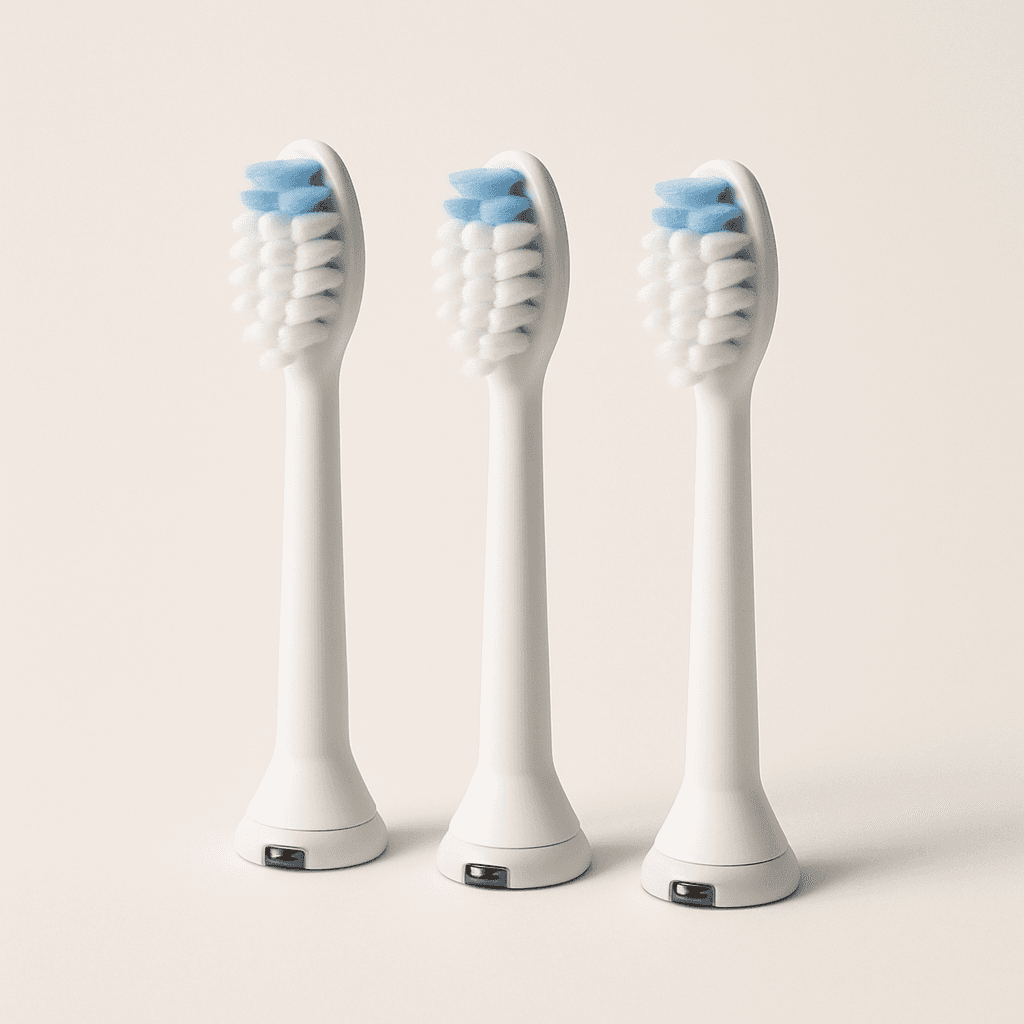
Illustrative image — see Amazon for the actual product.
Our verdict
Yes — the Philips Sonicare C2 Optimal Plaque Control brush heads are worth the Amazon multi-pack. Three genuine Philips-branded heads with BrushSync chips gets you 9 months of proper plaque removal at half the per-head drugstore cost. This is the correct refill for every click-on Sonicare handle for most adults with no specific dental issues; go G3 for sensitive gums or C3 for heavy plaque and staining. Skip knock-off 'compatible' heads on Amazon — they lack the chip and cost you the exact benefit you bought the Sonicare for.
The short version
The unsexy truth about a Sonicare toothbrush: the handle is a durable good you buy once, and the brush heads are the ongoing cost that most people neglect. The C2 Optimal Plaque Control heads are Philips' mid-tier brush head — angled bristles, BrushSync timing chip that tells the handle when it's time to swap, and the specific density that removes up to 7X more plaque than a manual brush. Three genuine C2 heads run about $30 on Amazon (a 9-month supply at the dentist-recommended 3-month replacement cycle), versus $18-22 for a single head at CVS. If you own a click-on Sonicare, this multi-pack is the smart-money refill.
Pros & cons
Pros
- Genuine Philips-branded, not knock-off — chip syncs with handle
- 3-pack = 9 months of use at proper 3-month replacement
- Fits every click-on Sonicare handle (2010-present)
- BrushSync chip resets brushing timer with each new head
- Angled bristles reach around back teeth and gum line
- Half the per-head price vs single-pack at drugstores
Cons
- Fits click-on handles only — old screw-on Sonicares need C3 heads
- Knock-off Amazon sellers exist — buy from Philips-verified listing
- Slightly stiffer bristles than the ProResults heads (better for plaque, less for sensitive gums)
Why people love it
Pop off the old head
Pull straight up on your worn brush head — the click-on connection releases cleanly. Rinse the handle top.
Click on the new C2
Line up the C2 head with the metal shaft on your Sonicare handle and press down until it clicks. The BrushSync chip pairs automatically.
Brush for two minutes
The handle's quadpacer pulses every 30 seconds to move you around your mouth. After ~3 months (or 90 two-minute brushings), the BrushSync light glows amber to remind you it's time to swap.
Who it's for
- Every Sonicare click-on handle owner
- People who forget to replace heads on time
- Family bathrooms with 2-3 Sonicare users
- Anyone tired of paying $20 per head at CVS
Why brush head replacement is the highest-ROI dental habit most people skip
Dentists universally recommend replacing your electric toothbrush head every 3 months, and studies estimate over 70% of Sonicare owners fail to hit that cadence — usually because a single replacement head at the drugstore feels expensive ($18-22 at CVS, Walgreens, or Target) and the impact of a worn head isn't visible on the same day. But the specific mechanic is important: after 90 days of daily use, the angled bristles flatten and lose their splay, which drops plaque-removal efficacy by 30-50%. You're getting a manual-toothbrush clean out of a $150 electric handle — which defeats the entire investment.
The C2 3-pack from Amazon at $30 works out to ~$10 per head for 9 months of use, which is roughly half the drugstore per-head cost. Over five years, that's $200 in refills versus $400+ for retail single-packs — real money for the exact same product. And because the BrushSync chip auto-reminds you when it's time to swap, the 3-pack in your bathroom cupboard means one-tap replacement whenever the amber light glows. The specific behavior change: buy the 3-pack once a year, set the calendar reminder, and you'll never brush with a worn head again.
C2 Optimal Plaque Control vs the rest of the Sonicare brush head lineup
Philips sells six Sonicare brush head lines and it can be confusing which fits you. The C2 Optimal Plaque Control (this review) is the volume seller — mid-density bristles, angled contour, balanced for general daily plaque removal and gum health. Best for the 80% of adults with no specific dental issues. The G3 Premium Gum Care uses softer, longer bristles specifically for periodontal patients and sensitive gums — noticeable comfort improvement if you have receding gums or bleeding when brushing.
The C3 Premium Plaque Control uses the stiffest bristle density for heavy plaque and stain removal — dentists recommend this for coffee/tea/red wine drinkers with visible staining. The W3 Premium White has polishing bristles specifically for stain removal and cosmetic whitening — use this alongside a whitening toothpaste for maximum surface stain removal. The Intercare has extra-long bristles for people with braces, bridges, or wide gaps between teeth. The Sensitive is the softest bristle Philips makes, specifically for post-dental-work healing. For a normal adult with no specific issues, C2 is the correct default.
Building a dentist-recommended at-home dental routine (that saves cleaning-appointment costs)
The specific two-tool dental routine that dentists cite for keeping cleaning appointments quick and cavity-free: (1) A Sonicare with the C2 head, replaced every 3 months, used twice daily for a full 2 minutes each session, with brushing focused on the gum line where plaque builds up. (2) A daily water flosser (Waterpik or equivalent) that flushes debris and bacteria from between teeth and under the gum line — the specific place that string floss struggles to reach effectively for most people.
This routine costs roughly $40/year in C2 refills and $30-40 for a bathroom water flosser (or $32 for a Waterpik Cordless Pulse portable model). Total: under $80/year for at-home tools that meaningfully reduce dental-cleaning time and the frequency of cavities and gum disease. Dentists universally support this setup because they know most patients skip flossing and skip replacing brush heads on time — automating both with a water flosser and a BrushSync-chip brush head is the specific fix that turns a hard-to-remember routine into a boring daily habit that just happens. Pair with the Bril UV toothbrush sanitizer for the third-piece of the setup that keeps the brush head itself free of bathroom bacteria between uses.
See Philips Sonicare C2 Brush Heads on Amazon
Check the latest price, photos and buyer reviews on Amazon.
Check Price on Amazon →Sold and shipped by AmazonFrequently asked questions
Are these real Philips Sonicare brush heads or knock-offs?
The genuine Philips-branded C2 3-pack is the real thing — same brush heads sold at dentist offices and drugstores, at a lower Amazon price. The trap to avoid: third-party 'compatible' sellers offering knock-off heads at deep discounts (12-packs for $15, etc.). Those are unbranded Chinese-market copies that fit the handle physically but lack the BrushSync chip (your handle won't recognize them and won't reset the timer), and the bristles are stiffer and shed. Stick to the listing sold by Philips or Amazon directly, verify the box has the Philips logo on packaging, and skip the 'too good to be true' bulk deals.
How often should I replace my Sonicare brush head?
Every 3 months, per the American Dental Association and Philips' own guidance. Bristles physically break down after 90 days of daily use — they lose their angled shape, lose stiffness, and become less effective at plaque removal. Beyond 4-6 months, brushing effectiveness drops noticeably and you're just moving bacteria around. The BrushSync chip in the C2 heads counts your two-minute brushings and glows amber on the handle when you hit ~90 sessions, which is the specific reason this system beats a manual timer or calendar reminder. Set a family calendar reminder to change heads on the first day of every quarter (Jan 1, Apr 1, Jul 1, Oct 1) and you'll never forget.
C2 vs C3 vs G3 Sonicare brush heads — which should I buy?
They target different priorities. C2 Optimal Plaque Control (this review) is the specific pick for most people — the balance of angled bristles that clean the back teeth and gum line, plus the standard density that works for normal gums. G3 Premium Gum Care has softer bristles specifically for sensitive gums and periodontal patients — buy this if your dentist has flagged gum recession. C3 Premium Plaque Control has the stiffest bristles for heavy plaque and coffee/tea stains — buy this if you have significant staining or heavy plaque buildup. W3 Premium White is the stain-remover pick with polishing bristles for cosmetic whitening. Start with C2 unless a dentist has specifically flagged an issue that suggests G3 or C3.
Do these fit every Sonicare handle?
They fit every click-on Sonicare handle made since ~2010 — the current-generation electric handles you buy at Costco, Amazon, or Best Buy. They do NOT fit the very old screw-on Sonicare handles (pre-2010, they thread onto a base rather than click) — those need the older screw-on heads. If your handle has a metal shaft on top that a brush head clicks vertically onto, this is the right refill; if you unscrew your old head off, you need the older format instead.
Do the BrushSync chips actually do anything useful?
Yes, and this is the specific reason genuine Philips heads beat knock-offs. The tiny chip in the base of each C2 head communicates with your Sonicare handle two ways: (1) The handle detects when a new head is clicked on and resets the brushing timer to zero — no manual reset. (2) After ~90 two-minute brushings, the handle's BrushSync light glows amber to tell you it's time to replace the head. Knock-off heads skip the chip entirely, so your handle either flashes an amber warning constantly (because it thinks the head is old) or never reminds you at all. For $30 vs $15 for knock-offs, the chip is worth the difference.
Is a Sonicare actually better than a regular toothbrush?
Yes — the evidence is clear. Independent clinical studies show sonic-vibrating toothbrushes remove 5-10X more plaque than manual brushing at the same two-minute interval, and the specific 31,000 brush-strokes-per-minute sonic action penetrates around teeth and along the gum line in ways manual brushing can't. Combined with a 2-minute timer that most people won't hit manually, and the specific C2 head design that angles bristles toward tooth surfaces, the setup delivers dentist-office-level cleaning. If you already own the handle, replacing heads on schedule is the specific habit that keeps that benefit going. Pair with a Waterpik Cordless Pulse water flosser for the specific two-tool at-home routine that dentists universally recommend, and dental cleanings become much shorter and cheaper.
As an Amazon Associate, TopCrate earns from qualifying purchases at no extra cost to you. Product image, price, availability and ratings are shown on Amazon and are subject to change.
More reviews you might like
SKINCARE
Celimax Vita-A Retinal Shot Review: Best K-Beauty Retinal for Sensitive Skin?
SPORTS
Body Glide Original Review: The Anti-Chafe Balm That Actually Works
SKINCARE
Foreo Luna Mini 3 Review: Is the Silicone Cleansing Brush Worth It?
SKINCARE