TRENDING ON AMAZON
Orgain Organic Vegan 21g Protein Powder Review: Is It Worth It?
The USDA Organic plant protein most people mean when they say 'vegan protein powder' — 21g of pea, brown rice and chia protein per serving, no gums or seed oils, and pricing that made it the #1 best-selling plant-based protein in the United States.
Quick answer: Yes — Orgain Organic Vegan 21g Protein Powder is the specific plant-based protein to buy in 2026 for the vast majority of plant-protein buyers. 4.5 stars across 65,000+ verified Amazon reviews, USDA Organic certification, tri-source pea+brown rice+chia blend that delivers complete amino acid coverage plus smoother texture than pure pea proteins, and roughly $1.00 per serving pricing that undercuts every other USDA Organic plant protein. Vanilla is the versatility default; chocolate is genuinely good; salted caramel and chocolate peanut butter are polarizing sweetness levels. Honest caveats: 2023 Consumer Reports flagged detectable lead within category-typical range (industry-wide plant protein issue, not Orgain-specific — pregnant/nursing readers should consult a doctor); the stevia+erythritol sweetness level polarizes tasters; drug-tested athletes should choose NSF Certified alternatives like Truvani or Vega Sport. For everyone else, this is the specific plant protein that made 'affordable USDA Organic plant-based' a real category — and combined with [Optimum Nutrition Creatine](/reviews/optimum-nutrition-creatine) and algae-sourced omega-3, forms the plant-based version of the classic strength-training supplement stack.
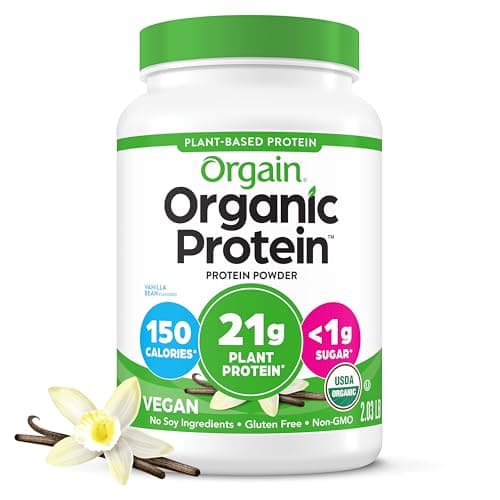
Product image from the Amazon listing.
Our verdict
Yes — Orgain Organic Vegan 21g Protein Powder is the specific plant-based protein to buy in 2026 for the vast majority of plant-protein buyers. 4.5 stars across 65,000+ verified Amazon reviews, USDA Organic certification, tri-source pea+brown rice+chia blend that delivers complete amino acid coverage plus smoother texture than pure pea proteins, and roughly $1.00 per serving pricing that undercuts every other USDA Organic plant protein. Vanilla is the versatility default; chocolate is genuinely good; salted caramel and chocolate peanut butter are polarizing sweetness levels. Honest caveats: 2023 Consumer Reports flagged detectable lead within category-typical range (industry-wide plant protein issue, not Orgain-specific — pregnant/nursing readers should consult a doctor); the stevia+erythritol sweetness level polarizes tasters; drug-tested athletes should choose NSF Certified alternatives like Truvani or Vega Sport. For everyone else, this is the specific plant protein that made 'affordable USDA Organic plant-based' a real category — and combined with [Optimum Nutrition Creatine](/reviews/optimum-nutrition-creatine) and algae-sourced omega-3, forms the plant-based version of the classic strength-training supplement stack.
The short version
Orgain Organic Vegan 21g Protein Powder is the specific plant-based protein that dominates the category — 4.5-star average across 65,000+ verified Amazon reviews and the top-selling plant protein in the United States. The formula is a USDA Organic tri-source blend of pea protein, brown rice protein and chia seed protein delivering 21g of complete plant protein per scoop (all essential amino acids covered by the blend), plus 5g of dietary fiber and no added sugar. Mixes cleanly into water, plant milk, oats, smoothies and baked goods with a smoother-than-most-plant-proteins texture — the specific reason it beat out competitors historically famous for chalky mouthfeel. Available in vanilla, chocolate, chocolate peanut butter, and salted caramel; the vanilla is the most-recommended for versatility across recipes. At around $30 for 2 lbs (about 30 servings, ~$1.00 per serving), it's the specific plant protein that made 'affordable USDA Organic plant-based' a real category. Honest disclosures: like most plant proteins, third-party heavy-metals testing (Consumer Reports 2023) has flagged detectable lead levels within the range typical for plant-sourced supplements — this is a category-wide issue, not Orgain-specific, and daily use is fine for most adults per FDA thresholds, but pregnant or nursing readers should discuss with a doctor before daily supplementation.
Pros & cons
Pros
- USDA Organic certified — tri-source pea + brown rice + chia protein
- 21g complete plant protein per serving (all essential amino acids)
- 5g dietary fiber per serving — supports digestion
- Mixes cleaner than most plant proteins (no chalky mouthfeel)
- 4 flavor options — vanilla is the versatility default
- 65,000+ Amazon reviews at 4.5 stars — most-reviewed plant protein
- Roughly $1.00 per serving — best per-gram organic plant protein pricing
Cons
- Sweetness level polarizes — some find it too sweet, others find it too mild
- 2023 Consumer Reports flagged lead levels typical for plant proteins (industry-wide, not Orgain-specific)
- Contains erythritol in newer formulations — some find aftertaste
Why people love it
Blend one scoop with liquid
Add one scoop (about 46g) to 8-10oz of water, unsweetened almond milk, oat milk or your smoothie base. Shake in a shaker bottle for 15-20 seconds or blend for 30 seconds for the smoothest texture. The tri-source protein blend hydrates faster than pure pea protein for a less-gritty mouthfeel.
Complete amino acid coverage
Pea protein is high in lysine but lower in methionine; brown rice protein is high in methionine but lower in lysine. The blend delivers a complete amino acid profile comparable to whey protein — critical for muscle synthesis on a plant-based diet where single-source proteins fall short.
Take within 30 minutes post-workout (or any time)
For muscle synthesis after resistance training, aim for 20-30g of protein within 30 minutes post-workout — one Orgain scoop delivers 21g and hits that window cleanly. For general daily protein target (0.7-1.0g per pound of body weight for active adults), use it as needed across breakfast, snacks and post-workout.
Who it's for
- Vegans and vegetarians building daily protein intake
- Athletes and lifters wanting plant-based post-workout recovery
- Anyone with dairy sensitivity or lactose intolerance
- Cost-conscious protein shoppers wanting USDA Organic certification
Why Orgain became the #1 plant protein in the United States (and what the category leaders got right)
Orgain launched its Organic Vegan protein line in 2013 and gradually climbed to the #1 best-selling position in the US plant-based protein category by 2020, and it has held that position through 2026. The formula that made it work was specific: USDA Organic certification (few plant proteins had this in 2013), tri-source protein blend (pea + brown rice + chia — most competitors used pure pea, which had a texture problem), meaningful protein per scoop (21g — competitive with whey products), and pricing at roughly $1.00 per serving (aggressive vs $2-3 per serving competitors). The specific innovation was the tri-source blend addressing the two main complaints about plant protein: chalky mouthfeel (solved by adding brown rice and chia, which hydrate more smoothly than pea alone) and incomplete amino acids (solved by combining complementary sources — pea is high in lysine, rice is high in methionine, together they deliver complete amino acid coverage).
By 2026, Orgain sits at 4.5 stars across 65,000+ Amazon reviews — the most-reviewed plant protein by a wide margin. Competitors like Vega Sport (higher protein content, higher price), Ritual Essential Protein (women-focused, transparent sourcing, higher price), Truvani (cleanest ingredients, higher price), and Sun Warrior (raw superfoods focus, similar price) all have loyal customers, but none matches Orgain's specific combination of value pricing + USDA Organic + smooth texture. The honest weaknesses that keep some buyers looking elsewhere: (1) the sweetness level polarizes — Orgain uses stevia + erythritol at levels some find too sweet, (2) 2023 Consumer Reports flagged lead levels within category-typical range but above California Prop 65 thresholds (industry-wide issue, not Orgain-specific), (3) newer formulations added erythritol that some tasters find has aftertaste. For most everyday plant protein buyers, none of these are dealbreakers, and Orgain remains the specific product that made 'affordable USDA Organic plant-based protein' a real category. If you're evaluating plant proteins for the first time in 2026, Orgain is the natural starting point; if you dislike stevia or want zero heavy metals detection, upgrade to Truvani or Ritual for 2-3× the price.
Building a plant-based protein and supplement stack around Orgain
A complete plant-based training and health supplement stack built around Orgain: (1) Base protein — Orgain Organic Vegan 21g Protein Powder, 1-2 scoops daily depending on training volume and total protein target. Vanilla flavor for versatility across recipes. (2) Creatine — Optimum Nutrition Micronized Creatine Monohydrate at 5g daily. Creatine is one of the most-researched training supplements and delivers even bigger benefits for plant-based eaters than for meat eaters (plants have no creatine, so plant-based athletes start with lower baseline muscle creatine stores). (3) Fish/Algae Omega-3 — plant-based eaters should use algae-sourced EPA+DHA rather than Nature's Bounty Fish Oil — algae oil delivers the same EPA+DHA at higher cost but true vegan sourcing. (4) Magnesium — Thorne Magnesium Glycinate 200-400mg at night for sleep, muscle recovery and stress management. (5) Multivitamin — Ritual Essential or similar for baseline nutrient coverage, particularly B12 (which plant-based eaters must supplement — it's not in plant foods) and iron (plant-based iron is less bioavailable than animal-source).
This is the plant-based equivalent of the classic strength-training supplement stack. Total monthly cost: ~$120-150 (Orgain $30, creatine $10, algae omega-3 $30, magnesium $25, multivitamin $30). Compared to meat-eater equivalents (whey + creatine + fish oil + magnesium + multi = ~$100/month), the plant-based version is roughly $30/month more due to algae omega-3 being pricier than fish oil. For anyone specifically transitioning from meat-eating to plant-based diet, this stack covers the specific nutrient gaps (B12, complete amino acids, creatine, EPA+DHA) that plant-only diets create if not intentionally addressed. Combined with a well-planned whole-food diet featuring beans, lentils, tofu, tempeh, whole grains and plenty of vegetables, this covers the vast majority of what plant-based athletes and active adults need for optimal health and training performance.
Orgain Vegan Protein use cases (and where to spend more or less)
Orgain Organic Vegan 21g Protein Powder is the specific right pick for these use cases: (1) Everyday plant-based protein supplementation — 1 scoop daily to hit protein targets, USDA Organic pricing at value level. This is the primary use case where Orgain wins. (2) Post-workout recovery for casual lifters — 21g of complete plant protein hits the muscle synthesis window without breaking the bank. (3) Meal replacement in smoothies — combined with fruit, nut butter and plant milk, delivers 30-35g protein in a portable breakfast or lunch. (4) Baking and cooking — vanilla flavor works in pancakes, muffins, overnight oats, protein bars. (5) Dairy-free protein alternative — anyone with lactose intolerance, milk allergy, or dietary preference can substitute this for whey.
Where to spend more: (1) NSF Certified for Sport for drug-tested athletes — Orgain isn't NSF certified; step up to Truvani or Vega Sport if you compete in tested sports. (2) Cleaner ingredients — if you're sensitive to stevia, gums or additives, spend more on Truvani (fewer additives) or Orgain Simple Plant Protein (their reduced-additive line). (3) Higher protein per scoop for serious hypertrophy — Vega Sport delivers 30g per scoop vs Orgain's 21g; the extra protein per serving justifies the higher price for serious lifters. (4) Third-party heavy metals testing — if you're concerned about the Consumer Reports lead findings, upgrade to a brand like Truvani that specifically publishes third-party test results below Prop 65 limits. Where to spend less: (1) If you're not committed to USDA Organic, generic whey protein (if you eat dairy) delivers superior protein per dollar and better muscle synthesis per scoop — Optimum Nutrition Gold Standard Whey is the equivalent whey best-seller at similar pricing. Skip Orgain if you're dairy-tolerant and don't need plant-based specifically. (2) If pure pea protein is fine for you, single-source pea protein isolates from brands like NOW Sports run $20 for 2 lbs and deliver similar protein content — just with chalkier texture. Orgain's texture premium isn't necessary if you're okay with rougher mouthfeel.
See Orgain Vegan Protein on Amazon
Check the latest price, photos and buyer reviews on Amazon.
Check Price on Amazon →Sold and shipped by AmazonFrequently asked questions
Is Orgain Organic Vegan Protein Powder worth it in 2026?
Yes — Orgain Organic Vegan 21g Protein Powder is the specific plant-based protein most 2026 reviewers land on when someone asks 'what's the best vegan protein powder?' 4.5 stars across 65,000+ verified Amazon reviews, USDA Organic certification, tri-source blend (pea + brown rice + chia) that delivers complete amino acid coverage, and roughly $1.00 per serving pricing that undercuts every other organic-certified plant protein. The mixing texture is meaningfully smoother than pure pea protein competitors — this is the specific reason Orgain dominated the category. Honest caveat: 2023 Consumer Reports heavy-metals testing flagged detectable lead in Orgain (0.72 mcg per serving, above California Prop 65 daily limit) — this is a category-wide issue for plant proteins because plants uptake trace metals from soil, not an Orgain-specific problem, and per FDA thresholds the amounts are safe for adult daily use. Pregnant or nursing readers should consult a doctor before daily supplementation. If you want NSF Certified for Sport (drug-tested athletes), spend more on Truvani or Momentous plant protein. For general everyday plant-based protein at organic pricing, this is the value pick.
Orgain Vegan vs Ritual Essential Protein vs Vega Sport vs Truvani: which plant protein is best?
Four specific plant proteins with different priorities. Orgain Organic Vegan 21g (this review, ~$30 for 2 lbs, ~$1.00/serving): USDA Organic pea+rice+chia blend, best-selling in category, best value pricing. Best all-purpose everyday plant protein. Ritual Essential Protein (~$45 for 20 servings, ~$2.25/serving): pea protein isolate + choline + minerals, focused on women's daily nutrition, transparent sourcing. Best for women wanting a whole-nutrition protein rather than pure muscle-building. Vega Sport Premium Protein (~$60 for 4 lbs, ~$1.50/serving): 30g protein per scoop (higher than Orgain's 21g), pea+pumpkin+sunflower+alfalfa blend, NSF Certified for Sport, added tart cherry + turmeric for recovery. Best for serious athletes wanting maximum protein per scoop and drug-testing certification. Truvani Plant Protein (~$45 for 20 servings, ~$2.25/serving): pea+pumpkin+chia+quinoa+coconut blend, no added gums or additives, cleanest ingredient list. Best for anyone with sensitivity to gums, thickeners or additives. Rule of thumb: Orgain for value and everyday use, Vega Sport for serious athletic performance, Ritual for women's daily nutrition, Truvani for cleanest ingredients. All four deliver complete plant amino acids; the differences are pricing, protein per serving, and specific formulation focuses.
Does Orgain Vegan Protein actually taste good, or is it chalky like most plant proteins?
Meaningfully better than most plant proteins, but still recognizably plant-based rather than whey-smooth. The tri-source blend (pea + brown rice + chia) is why — pure pea protein is famously chalky and grainy, but adding brown rice and chia smooths the texture significantly. Blending in a proper blender (rather than shaking) delivers the smoothest results — 30 seconds of blending with liquid, ice and a banana or berries produces a shake indistinguishable in texture from whey-based recipes. Flavor: vanilla is the most-recommended for versatility (works in smoothies, oats, coffee, baking); chocolate is genuinely good if you like chocolate protein; chocolate peanut butter is polarizing (some love it, others find it too sweet); salted caramel is a nice change but often too sweet for daily use. Sweetness level uses stevia and erythritol — some tasters find it perfect, others find the erythritol aftertaste noticeable. If you can't tolerate stevia or artificial sweeteners, look at Truvani (unsweetened) or Orgain's Simple Plant Protein line (uses less sweetener). For the vast majority of plant protein users, Orgain's texture and flavor are the best-in-category at this price point — the specific reason it dominated the category.
How does 21g of plant protein compare to whey protein for muscle building?
Comparable but not identical, with some real nuances. Muscle protein synthesis (MPS) is driven primarily by leucine (an essential amino acid) — whey protein delivers about 2.5g of leucine per 25g serving, while Orgain's pea+rice+chia blend delivers about 1.9g of leucine per 21g serving. To match whey's leucine content per meal, some athletes take 1.5x scoops of plant protein (roughly 32g protein, 2.85g leucine — exceeds whey's leucine dose). For general muscle maintenance and moderate training, one scoop of Orgain post-workout is sufficient. For serious hypertrophy training or older adults where MPS is harder to trigger, either use 1.5 scoops or add a small dose of leucine (2-3g) alongside your Orgain shake. Real-world results: multiple published studies show plant protein blends deliver comparable muscle growth to whey protein when protein doses are matched — you may need slightly more grams to hit the same leucine target, but the outcome is the same. Combined with a solid training program and a well-researched creatine like Optimum Nutrition Micronized Creatine, Orgain covers the plant-based version of the classic strength-training supplement stack.
Is Orgain Vegan Protein safe for daily use given the Consumer Reports lead findings?
Yes for the vast majority of adults, with specific caveats. Consumer Reports' 2023 testing found 0.72 micrograms of lead per serving in Orgain Organic Vegan — this is above California Prop 65's daily safe limit of 0.5 mcg (which is one of the strictest limits globally) but below FDA and EPA safety thresholds for daily consumption. This is a category-wide issue: plant proteins tend to have detectable heavy metals because plants uptake trace metals from soil (including USDA Organic plants — organic certification doesn't affect soil metal content). All major plant protein brands showed some detectable lead in the same testing round; Orgain wasn't uniquely bad, just tested. What this means practically: (1) Daily use at 1 scoop per day is within FDA-safe thresholds for most adults. (2) Pregnant or nursing women should consult a doctor before daily supplementation — Prop 65 limits are specifically conservative for reproductive health. (3) Children under 12 should not use adult protein supplements regardless of source. (4) If you're already exposed to lead elsewhere (older homes, imported foods, occupational exposure), reduce protein powder frequency or switch to a lead-tested-lower brand like Truvani (which specifically third-party tests for heavy metals). For a normal healthy adult using plant protein 1-2 times daily, Orgain is safe long-term based on current FDA guidance.
How do I use Orgain Vegan Protein in recipes beyond just shakes?
The vanilla flavor is remarkably versatile — it works in dozens of recipes beyond the basic shake. Favorites: (1) Overnight oats — add 1/2 scoop to your standard oats + milk + chia base, refrigerate overnight, add 20g protein to breakfast. (2) Pancakes — replace 1/4 of the flour with 1 scoop of vanilla Orgain (about 45g); works with any pancake recipe and adds 21g protein. (3) Coffee protein shake — 1 scoop + 8oz cold brew + splash of oat milk + ice, blended, delivers 21g protein and caffeine in one drink. (4) Protein muffins — 1 scoop in banana bread or muffin batter (recipe of choice) adds meaningful protein without changing texture. (5) Yogurt bowl — stir 1/2 scoop into Greek or coconut yogurt with berries and granola for a 25-30g protein breakfast bowl. (6) Protein iced latte — 1 scoop + 6oz espresso + 6oz vanilla oat milk over ice, shaken. (7) Baked goods — replace ~15% of dry ingredients with Orgain in cookies, brownies, pancake mix. For serious cooks, Orgain works cleanly in nearly all cold applications and most cooked applications up to about 350°F (higher temps degrade some amino acids). Chocolate flavor works best in shakes and hot chocolate; vanilla is the recipe-versatility winner. This is one specific reason Orgain outsells stronger-flavor plant proteins — the vanilla is designed for cross-recipe use.
As an Amazon Associate, TopCrate earns from qualifying purchases at no extra cost to you. This is a dietary supplement, not a medical treatment — consult your doctor before starting, especially if you're pregnant, nursing, or have kidney or liver conditions. 2023 Consumer Reports third-party testing found heavy metals (lead) within category-typical range for plant proteins but above California Prop 65 daily limits. Product image, price, availability and ratings are shown on Amazon and are subject to change.