HANDS-ON REVIEW
FixIts Reusable Repair Sticks Review: Is It Worth It?
Non-toxic thermoplastic sticks that soften in hot water, mold like putty, and set into rock-hard plastic — fixing the stuff glue never could.
Quick answer: Yes — FixIts is worth it if your junk drawer keeps losing to broken things glue can't fix: it rebuilds them instead of just sticking them, sets into genuinely hard plastic, and forgives bad first attempts with a hot-water reset. Heat-adjacent repairs are off the menu, but for the daily stream of snapped, stripped and frayed household plastic, a $20 pack quietly replaces a year of 'just buy a new one.'
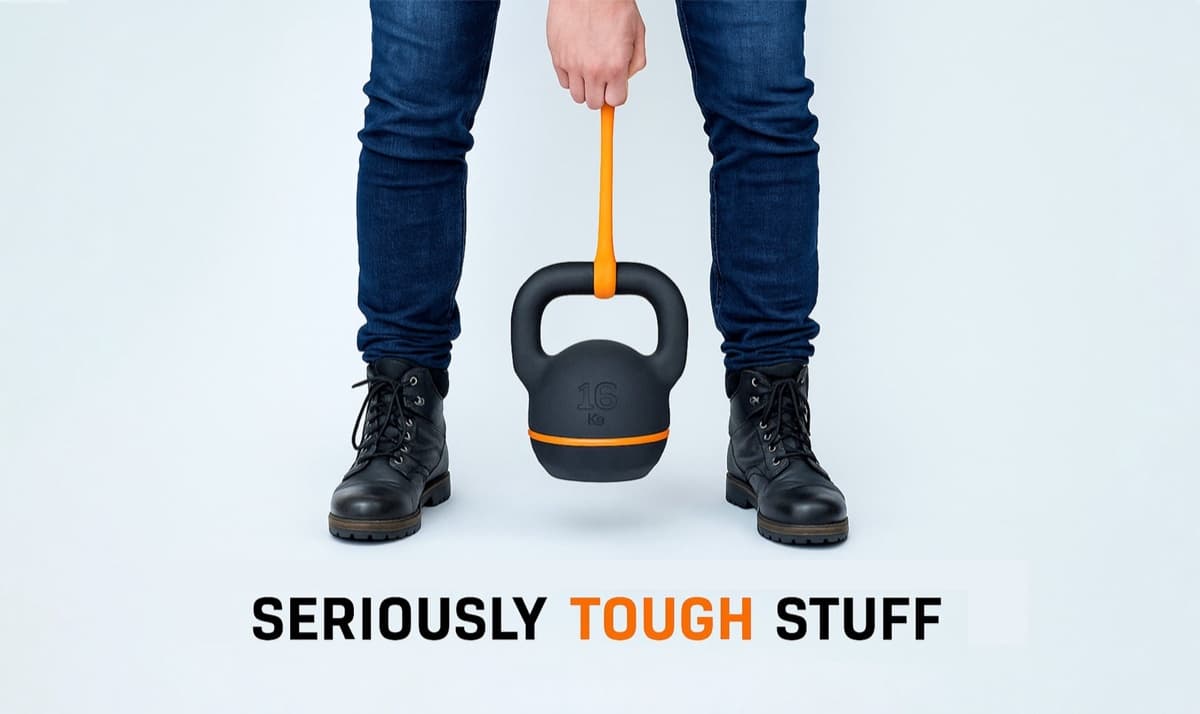
Set FixIts is strong enough to carry real weight — this is molded plastic, not dried glue. Photo: FixIts
Our verdict
Yes — FixIts is worth it if your junk drawer keeps losing to broken things glue can't fix: it rebuilds them instead of just sticking them, sets into genuinely hard plastic, and forgives bad first attempts with a hot-water reset. Heat-adjacent repairs are off the menu, but for the daily stream of snapped, stripped and frayed household plastic, a $20 pack quietly replaces a year of 'just buy a new one.'
The short version
Glue fails at most household repairs because most breaks need material, not adhesive — the missing corner, the stripped grip, the cracked housing. FixIts is that material: bioplastic sticks that turn soft and moldable in hot water (about 140°F), stick to almost anything, and cool in minutes into hard, durable plastic. Rebuild a snapped buckle, re-grip a tool handle, cap a frayed cable end, bridge a cracked bin — then, unlike any glue or epoxy, drop the fix back in hot water to soften, rework or reuse it. Non-toxic, no fumes, no mixing, kid-safe process.
Pros & cons
Pros
- Repairs breaks glue can't — rebuilds missing material
- Softens in hot water, hand-molds like putty, sets hard in minutes
- Reusable: re-soften any fix to redo or reclaim the plastic
- Non-toxic and fume-free — no epoxy chemistry or gloves
- Bonds to plastics, metal, wood, cables and fabric edges
- A pack lives in the junk drawer covering years of small fixes
Cons
- Not for high-heat spots — hot cars, kettles and stove zones re-soften it
- Sets rigid — flexible repairs (bendy cables) need technique
- Molding neatly takes a practice fix or two
How it works
Soften in hot water
Drop a stick (or a piece of one) in hot water for a minute or two — it turns clear-ish and moldable like putty.
Mold it on
Press it around the break, into the gap, or over the worn part and shape it with wet fingers before it cools.
It sets like plastic
In a few minutes it hardens into tough, grippy plastic. Got it wrong? Hot water re-softens it for another go.
Who it's for
- Households with a drawer of broken-but-loved things
- Parents fixing toys, buckles and chewed cables weekly
- Tinkerers, campers and van-lifers carrying one fix-all
- Anyone who's been burned (literally) by superglue
Why moldable plastic beats glue for real breaks
Look at what actually breaks around a house: buckle prongs snap off, tool grips wear away, cable jackets fray at the plug, plastic tabs shear. None of those are two-clean-surfaces problems — they're missing-material problems, and adhesives fundamentally can't add material. FixIts is polycaprolactone-style low-temp thermoplastic: at about 140°F it becomes hand-moldable, grips onto rough surfaces, and cools into hard engineering plastic you can drill, sand or carve.
The reusability is the quiet superpower. An epoxy repair is a one-shot bet — mixed, cured, permanent, ugly if you rushed it. A FixIts repair is a draft: dunk it back in hot water and the same plastic re-softens for a cleaner second attempt, or comes off entirely to fix something else. For the price of two tubes of decent epoxy you get a pack of material that never expires and never dries out in the drawer.
The repairs it's genuinely great at (and the ones it isn't)
Greatest hits from the category: rebuilding snapped backpack and helmet buckles, bulking up worn screwdriver and utensil grips (huge for arthritic hands), collaring frayed charger cables before they die, replacing missing knobs and feet on appliances, patching cracked storage bins and plant pots, even molding custom hooks and cable guides from scratch. Anything that needs a small, hard, custom-shaped piece of plastic is its home turf — the same niche a multi-tool fills for cutting and turning.
Know the limits: it re-softens at the same ~140°F that shapes it, so repairs that live in hot cars, on kettles, near stovetops or in dishwashers will eventually slump. It also sets rigid — a fix on something that flexes constantly (a cable that bends sharply at the plug) works best molded as a stiff strain-relief collar rather than a flexible sleeve. Electrical note: it's an insulator and fine over intact insulation, but it's not a substitute for repairing exposed conductors.
Is FixIts worth $19.99?
Price it against what it replaces and it's lopsided: one good epoxy syringe runs $8 and fixes one category of break; one replacement buckle online is $6 shipped; one 'this part snapped' replacement purchase — the entire appliance, the backpack, the toy — starts at $20 and climbs. A FixIts pack covers dozens of small repairs across every category, and the offcuts from each fix go back in the pack for next time. It's the rare consumable that mostly isn't consumed.
It also earns a slot beyond the junk drawer: in the camping bin (tent pole ferrule, snapped clip at a campsite), the car kit next to the emergency multi-tool, and the kids' craft shelf — the same material is sold as a maker plastic, and shaping spare sticks into hooks and figures is legitimately fun. Non-toxic and fume-free means the whole fix happens at the kitchen table, not the garage.
Frequently asked questions
What exactly is a FixIts stick?
A low-temperature thermoplastic (bioplastic) stick: hot water around 140°F makes it soft and moldable like putty, and it cools in minutes into hard, durable plastic that grips what it was pressed onto. No chemistry, no mixing, no fumes.
What can I fix with it?
The missing-material breaks glue can't touch: snapped buckles, worn tool grips, fraying cable ends, cracked bins and pots, missing knobs, feet and tabs — plus custom parts like hooks and guides molded from scratch.
How strong is it once set?
Set FixIts is rigid engineering-grade plastic — you can drill, sand and carve it, and a molded repair takes real daily-use load. It's not structural steel; it's the same class of plastic most of the broken part was made of.
Can I redo a fix I botched?
Yes — that's the signature feature. Hot water re-softens any FixIts repair so you can reshape it, and the plastic is reusable again and again. Epoxy gives you one shot; this gives you drafts.
What are its limits?
Heat is the main one: it re-softens around 140°F, so skip repairs that live in hot cars, dishwashers, or near stoves and kettles. It also sets rigid rather than rubbery, so constantly-flexing parts need a stiff-collar approach.
Is it safe for kids to use?
The material is non-toxic and the process is fume-free — the only hazard is the hot water that softens it, so it's a great supervised kitchen-table activity and a favorite with young makers.
FixIts vs Sugru vs InstaMorph vs epoxy putty (JB Weld PlasticWeld) — which repair material should I actually reach for?
Four common repair materials, four different jobs. **FixIts (moldable thermoplastic, $19.99, this review)**: sticks that soften in ~140°F water, mold like putty, set rigid in minutes, and re-soften on demand for do-overs or reuse — best for rebuilding missing material on plastic (buckles, tabs, grips, cable strain reliefs). **Sugru (moldable silicone, $10-15 per pack)**: cures in air over 24 hours into flexible rubber. Best when you need a grippy, waterproof, flexible fix (a cable that bends at the plug, a soft handle grip, non-slip feet). Not reusable — once cured, cured. **InstaMorph (near-identical to FixIts, ~$14 for 6 oz)**: same low-temp polycaprolactone thermoplastic, sold as pellets in a bag rather than sticks. Cheaper per gram for larger jobs; less convenient for a single small repair. **JB Weld PlasticWeld / Loctite Plastic Bonder (two-part epoxy, $6-9)**: a one-shot chemical bond, cures rock-hard for a permanent repair, and works on cracked or split plastic where you're joining two clean surfaces rather than rebuilding missing material. Skip for anything you might want to redo. Rule of thumb: rigid missing-material rebuild = FixIts or InstaMorph; flexible or grippy fix = Sugru; permanent structural bond of two clean surfaces = epoxy. Most well-stocked junk drawers eventually keep one of each.
When you buy through links on this page, TopCrate may earn an affiliate commission at no extra cost to you. Specifications reflect the manufacturer's listing. Prices accurate as of publish time.