TRENDING ON AMAZON
EltaMD UV Clear Broad-Spectrum SPF 46 Review: Is It Worth It?
The 9% zinc oxide face sunscreen dermatologists recommend most for sensitive, acne-prone and rosacea skin.
Quick answer: If sunscreen is the single most impactful skincare product you own, EltaMD UV Clear is the version that behaves nicely enough to actually wear every day. For sensitive, acne-prone and rosacea skin, this is the derm rec.
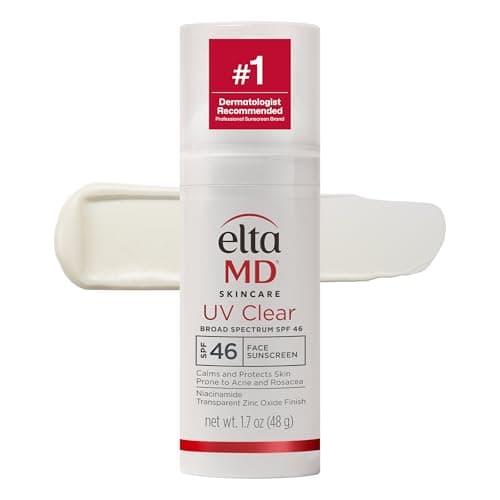
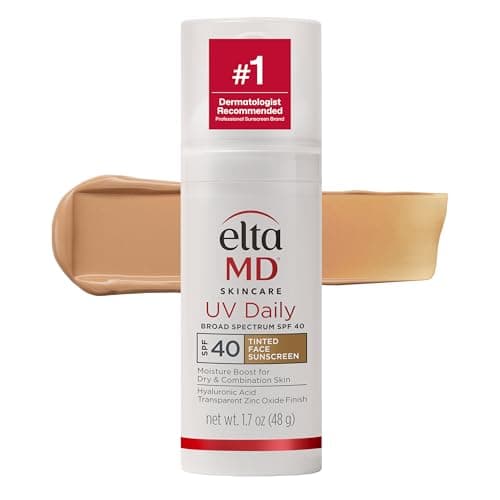
Product image from the Amazon listing.
Our verdict
If sunscreen is the single most impactful skincare product you own, EltaMD UV Clear is the version that behaves nicely enough to actually wear every day. For sensitive, acne-prone and rosacea skin, this is the derm rec.
The short version
EltaMD UV Clear is the mineral-plus-chemical sunscreen dermatologists quietly recommend to almost everyone with sensitive, acne-prone or rosacea-flushed skin. Zinc oxide gives real broad-spectrum protection while niacinamide, hyaluronic acid and lactic acid calm redness, hydrate and gently smooth — a rare 'treatment plus SPF' combo that layers cleanly under makeup without pilling, whitecast or a heavy finish.
Pros & cons
Pros
- 9% zinc oxide broad-spectrum SPF 46 protection
- Contains 5% niacinamide to calm redness
- Non-comedogenic — safe for acne-prone skin
- Oil-free and fragrance-free
- Layers cleanly under makeup
- Untinted and tinted versions available
Cons
- Premium price for a sunscreen
- Untinted version can leave a slight cast on very deep skin tones
- Squeeze tube runs out faster than you'd expect
Why people love it
9% zinc oxide + octinoxate
A hybrid mineral-plus-chemical formula gives broad UVA/UVB protection with less whitecast than pure mineral sunscreens.
Skincare in the SPF
5% niacinamide calms redness and post-acne marks, hyaluronic acid hydrates, and lactic acid gently smooths — so daily SPF also improves skin over time.
Made for sensitive skin
Fragrance-free, oil-free and non-comedogenic — the reason it's the go-to derm rec for rosacea, breakouts and reactive skin.
Who it's for
- Acne-prone and oily skin
- Rosacea and sensitive, redness-prone skin
- Anyone whose makeup pills on other sunscreens
- Post-procedure and daily preventive use
Is EltaMD UV Clear worth the price over drugstore sunscreens?
This is the honest question, because a good drugstore option like La Roche-Posay Anthelios, Neutrogena Ultra Sheer or CeraVe AM costs a fraction of EltaMD's price. If you have unproblematic normal-to-oily skin and you just need broad-spectrum coverage, one of those is probably enough — modern drugstore SPF is genuinely good. Where UV Clear pulls away is skin that reacts. If you have rosacea, acne, post-treatment redness, or your skin flushes at the mention of fragrance, UV Clear is calmer and less irritating than almost anything else at any price, and it's why dermatologists keep recommending it.
There's also the niacinamide angle — 5% is a treatment-level dose, and layering that under your sunscreen every day for years is a genuine skin benefit. You could replicate that with a separate niacinamide serum plus a cheaper sunscreen, but the appeal of UV Clear is one product that does both without the pilling and reapplication issues that a serum-plus-SPF stack can introduce. For sensitive skin, the premium is easy to justify. For everyone else, it's a nice-to-have upgrade rather than a must-buy.
EltaMD UV Clear vs Supergoop Unseen vs La Roche-Posay Anthelios
These three are the sunscreens people cross-shop most, and they suit different skin. UV Clear is the pick for reactive, acne-prone or rosacea skin — its niacinamide and low-irritation profile put it ahead for anyone whose skin flushes. Supergoop Unseen is the makeup-first favorite: a completely clear gel that behaves like a primer, blurs texture and disappears on every skin tone. If you wear makeup daily and want the sunscreen to feel invisible, Unseen wins the feel test.
La Roche-Posay Anthelios (particularly the Melt-in Milk and the newer UVMune 400 formulas sold outside the US) is the drugstore-priced daily broad-spectrum option most dermatologists like — it's simple, well-formulated, and much cheaper per ounce. For beach and body coverage, Anthelios is the value play. For a face SPF you'll actually reach for daily and that also treats redness, UV Clear is the sensible splurge. Owning both a tube of UV Clear for the face and an Anthelios for the body is a common setup.
How to apply EltaMD UV Clear (and reapply during the day)
Apply a nickel-sized amount to a clean, moisturized face after your morning skincare and before makeup — that's roughly a quarter-teaspoon, which is more than most people put on. Dot it over cheeks, forehead, nose and chin, then spread evenly and pat gently rather than rubbing hard, which can pill any layer underneath. Wait about a minute for it to set before applying primer or foundation. Don't forget the neck, chest and the tops of the ears — they get almost all the same sun as the face and none of the sunscreen.
Reapplication is where SPF actually breaks down for most people. Rubbing on more UV Clear over makeup is impractical, so the daily-life move is a mineral SPF powder or a spray-on setting SPF every couple of hours if you're outside. If you're mostly indoors near a window, one solid morning application will cover you, since UVA does come through glass but at much reduced intensity. On beach or all-day-outside days, layer a body sunscreen on top or reapply UV Clear directly every two hours.
See EltaMD UV Clear on Amazon
Check the latest price, photos and buyer reviews on Amazon.
Check Price on Amazon →Sold and shipped by AmazonFrequently asked questions
Is EltaMD UV Clear mineral or chemical sunscreen?
It's a hybrid: 9% zinc oxide is the mineral half, and octinoxate is a chemical filter that helps prevent the whitecast pure mineral sunscreens leave. If you specifically need a 100% mineral option, look at EltaMD UV Physical or UV Elements instead — those are the pure-zinc-and-titanium versions from the same brand.
Is it good for acne-prone skin?
Yes — it's specifically formulated as non-comedogenic, oil-free and fragrance-free, and the 5% niacinamide helps calm existing breakouts and post-acne redness. It's the sunscreen you'll see most often in acne subreddits and dermatologist videos for that reason.
UV Clear vs UV Clear Tinted — which should I buy?
The tinted version has iron oxides that give a very sheer, universal warm tint and importantly protect against visible light (which the untinted one doesn't). For hyperpigmentation, melasma or medium-to-deep skin tones that show a cast from the untinted version, the tinted is the stronger pick. For fair skin with no pigment concerns, untinted is fine and can layer under a separate tinted product.
Can I use it under makeup?
Yes — one of the reasons it's so popular is that it layers cleanly under primer and foundation without pilling. Wait about a minute after applying so it fully sets before makeup goes on top, and use a light hand — a nickel-sized amount for the face is the SPF-effective dose.
Is EltaMD reef safe?
UV Clear contains octinoxate, which is banned in some places like Hawaii for reef-safety reasons. If reef-safe SPF is a priority for beach and ocean days, use EltaMD's UV Physical (pure mineral) or a dedicated reef-safe sunscreen for water use, and save UV Clear for daily land use.
How long does a tube of EltaMD UV Clear last?
With daily face-and-neck use at the proper amount (about a nickel-sized dollop), a single tube typically lasts 6–10 weeks. That feels expensive per tube, but if you truly wear sunscreen daily it's cheaper than the post-sun-damage treatments people spend on later — and cheaper than most 'anti-aging' serums that don't do half as much.
As an Amazon Associate, TopCrate earns from qualifying purchases at no extra cost to you. Product image, price, availability and ratings are shown on Amazon and are subject to change.
More reviews you might like
SKINCARE
Celimax Vita-A Retinal Shot Review: Best K-Beauty Retinal for Sensitive Skin?
SPORTS
Body Glide Original Review: The Anti-Chafe Balm That Actually Works
SKINCARE
Foreo Luna Mini 3 Review: Is the Silicone Cleansing Brush Worth It?
SKINCARE