SLEEP TEMPERATURE
Why Does My Head Get So Hot When I Sleep? (And the Fixes That Actually Work at 3 A.M.)
Your head is the body's biggest radiator, your pillow is an insulator, and 'cool-touch' fabrics wear off in ninety seconds — here's the physiology of the 3 a.m. flip, and the ranked fixes from cheapest to what finally ends it.
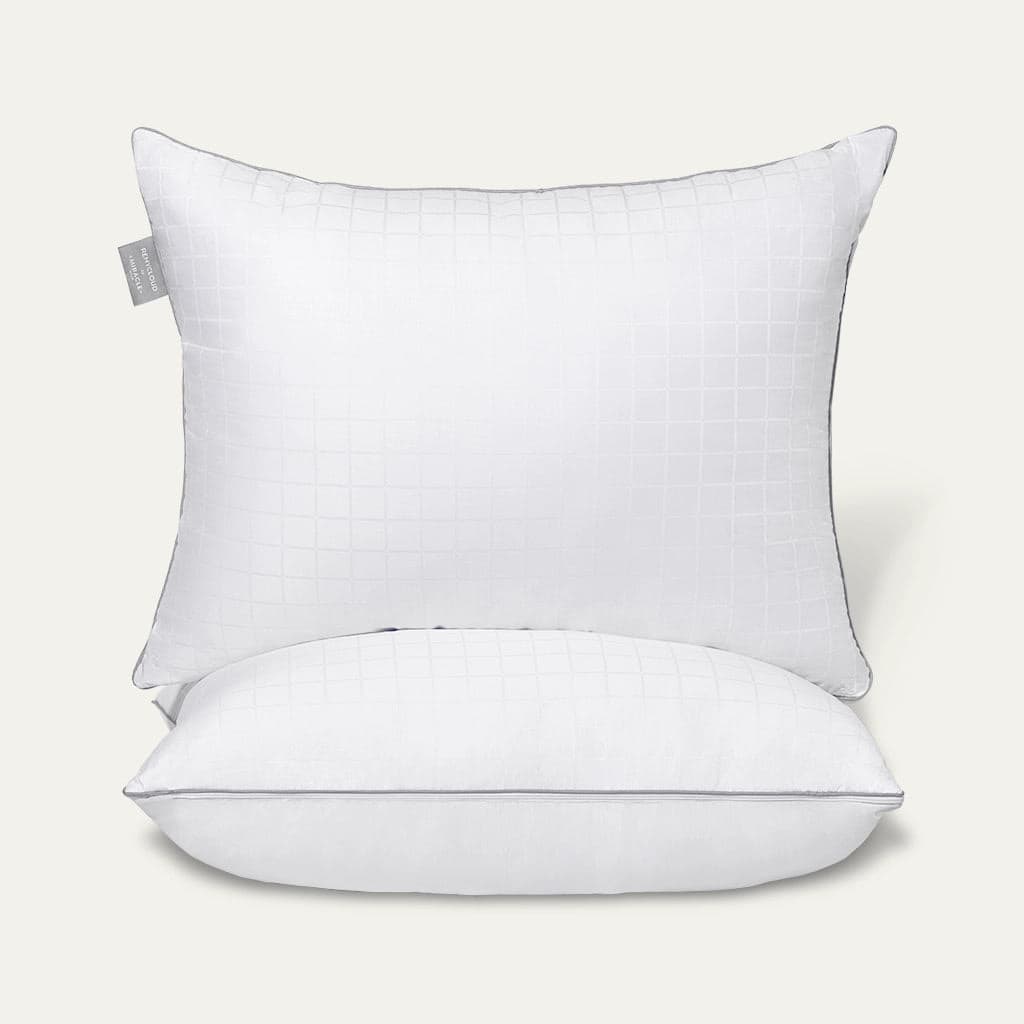
You lie down on a cool pillow. Ninety seconds later, one side of your face is warm. Ten minutes in, the back of your neck is damp. By 2 a.m., you've flipped the pillow three times, given up on that side, and are lying at a diagonal on the bed to reach the last cold corner. If this is your nightly ritual — and if you sleep with someone whose pillow you're not allowed to poach — the problem isn't in your head. It's under your head. Pillow-flipping is a physics problem, not a willpower one, and the fixes that actually work are the ones that stop your pillow from banking heat instead of the ones that briefly cool the surface.
This piece is what's actually happening thermally when your head heats up at night, why the two most-marketed fixes (cool-touch fabric and 'gel' inserts) don't hold past the first minutes, and the ranked list of interventions that end the flip — cheap first, then the setup change that solves it for good. If night sweats are what you're actually dealing with (as opposed to a plain hot pillow), see a doctor first; persistent night sweats can signal underlying issues worth checking. What follows assumes an otherwise-healthy sleeper whose specific problem is a hot pillow and a warm head at night.
The physiology: why your head is the hottest part of you at night
Your head does about 7-10% of the body's total heat dissipation when you're at rest, and the ratio goes up when the rest of your body is under a blanket. Your scalp is densely vascular (many small blood vessels close to the surface), your brain metabolizes roughly 20% of the body's energy while producing negligible mechanical work — so almost all of that energy becomes heat, and the head has to shed it. During sleep, your core body temperature drops by about 1-2°F as part of the normal sleep-onset process, which is why a cold bedroom helps you fall asleep. But your head keeps radiating heat while the rest of you cools down, and any surface pressed against your head has to move that heat away, or your head can't cool.
A conventional pillow is thermally an insulator with a person pressed against it for eight hours. Dense fill (feather down, packed memory foam) traps heat rather than moves it; a cotton or polyester cover blocks the small amount of airflow that would carry heat away. So heat accumulates in a small volume of fill directly under your head, the surface temperature climbs to something close to your skin temperature (94-96°F), and the cool-side illusion you chase all night is really just the untouched side of the pillow being at ambient bedroom temperature. Which is why flipping works for about ninety seconds — you've traded a hot side for a room-temperature side, and your head immediately starts heating the new side.
Why 'cool-touch' fabric and gel inserts don't hold
The pillow industry knows that pillow-heat is a top complaint, and there are two dominant marketing responses to it. The first is 'cool-touch' or 'cool-feel' fabric — usually a nylon-heavy or polyethylene-blend weave that has a low heat-of-wetting and a higher effective thermal conductivity than cotton, so it feels cold when you first touch it (the fabric wicks a tiny amount of heat from your skin very quickly). It's real physics, and it's real for about the first minute. Once the fabric and your skin equilibrate — which happens quickly at 96°F skin against a thin surface layer — there's no longer a temperature gradient to feel, and the pillow reads as normal-warm.
The second common fix is a gel insert or 'gel-infused' foam. Gel has a slightly higher heat capacity than the foam it's mixed into, meaning it can absorb a bit more heat before its own temperature rises — again, real physics, but the effect is small (the gel is a thin layer or a few beads mixed into fill) and the absorbed heat has nowhere to go, so within an hour the gel is saturated and the pillow is warm again. Neither of these approaches addresses the underlying problem, which is that the pillow needs to move heat continuously to the room, not briefly absorb it and hold it. That requires structural airflow, not a surface trick.
The cheap fixes (do these tonight, no shopping required)
The single highest-return free intervention is the one nobody bothers with: get the bedroom cooler. The Sleep Foundation and most sleep researchers converge around 65-68°F (18-20°C) as the optimal bedroom temperature for adults, and every degree the ambient drops is one your head doesn't have to shed through your pillow. Turn the thermostat down, kick a fan on across the room (not aimed at you — aim it away, so it circulates air rather than dries out your eyes and sinuses), open a window an hour before bed. If your partner runs cold, a personal fan on your side or a lighter blanket for you is the negotiated solution.
Second cheap fix: change what your head sits against directly. A cotton percale or bamboo pillowcase breathes far better than sateen, silk, or 'cool-touch' polyester — cotton isn't glamorous but it wicks and vents. Rotate two pillowcases so you can put a fresh dry one on halfway through a hot night, and wash them frequently (skin oil accumulates and blocks airflow through the fabric). Our silk vs satin pillowcase piece covers the trade-off if you use silk for hair reasons — spoiler: satin is cooler than silk, and both are warmer than cotton. Also: get your hair off your neck. Even a loose bun or braid removes a warm insulating layer between the pillow and your neck skin, and hot sleepers with long hair consistently report noticeable improvement from just that change.
The middle-cost fix: change what's ON the pillow, not the pillow itself
If free fixes aren't enough, the next step up is adding a cooling layer without replacing your existing setup. Options in ascending order of effectiveness: a chillow (water-activated cooling insert you slip inside your pillowcase — genuinely works, but adds weight and can leak if pierced); a cooling gel pillow topper (a thin gel pad you sit under the pillowcase — works longer than a pure gel-infused pillow because it's dedicated mass, but eventually saturates); and phase-change-material (PCM) cooling covers, the technology used in some athletic gear that absorbs heat by changing state at a specific temperature (usually around 82°F), staying at that temperature until the material fully transitions. PCMs are the best passive cooling in the category and also the most expensive; if you can find a PCM pillowcase in the $30-50 range, it's worth trying before spending more.
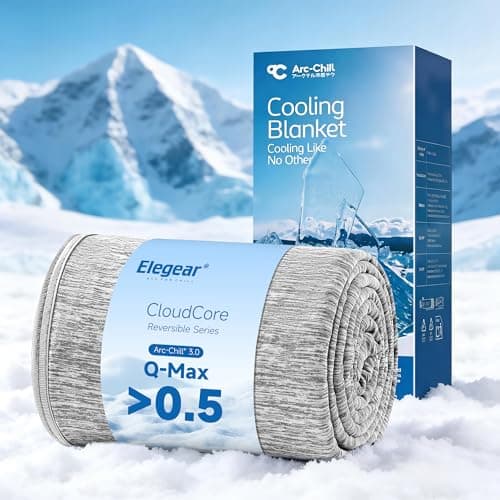
One thing that emphatically doesn't work long-term: putting your pillow in the freezer for an hour before bed. It's satisfying for the first ten minutes, and it does nothing after. The pillow warms back to room temperature within the first hour of sleep, and freezing repeatedly can damage the fill. Save the freezer trick for occasional emergency hot nights, not as a nightly system. Our do cooling blankets work piece covers the same physics for the rest of the bed — cooling blankets, cooling mattress toppers, and cooling sheets all follow the same wick-vs-store logic your pillow does.
The setup change that actually ends the flip
If you've tried the cheap fixes and you're still flipping, the answer is to replace the pillow itself with one built structurally for airflow, not surface tricks. Cooling-first pillows do three things a standard pillow doesn't: they use a breathable open-cell shell (so heat can move outward through the fabric rather than being trapped by a dense cover), an airy fill that maintains airflow channels under your head instead of packing into a heat-holding brick, and moisture transport for the (small but real) amount of sweat that accumulates on your scalp overnight. The RemyCloud cooling pillow — from Miracle Made, the silver-infused bedding brand — is the most complete version of this design at the consumer-premium tier: adjustable fill so you can tune loft to your sleep position, and a construction focused on venting rather than temporarily masking heat.
Pair a cooling pillow with cooling sheets (Miracle Made's cooling sheet lineup uses the same brand philosophy) and you convert the whole surface of the bed to one that vents heat rather than banks it. Hot sleepers consistently report that the shift isn't 'the pillow feels colder' — it's that the flip ritual stops. The surface temperature settles closer to the ambient bedroom temperature and stays there, because the heat has somewhere to go. This is what physics that treats the actual heat-transfer problem gives you, versus the surface tricks that don't.
When it's not the pillow: night sweats to actually flag to a doctor
There's a meaningful difference between 'my head runs hot at night' and 'I wake up drenched.' Persistent night sweats — the kind that soak your pajamas or the sheets — can have straightforward causes (bedroom too warm, too many blankets, perimenopause, alcohol before bed, spicy dinner) but can also be a symptom of things worth medical attention: thyroid conditions, sleep apnea, medication side effects, infections, and — occasionally — more serious diagnoses. If sweats started suddenly, are severe, come with fever, weight loss, or unexplained fatigue, or if they happen despite a cool room and lightweight bedding, that's a doctor visit, not a pillow purchase.
The distinction the everything-in-this-article-assumes: an otherwise-healthy sleeper whose specific problem is a hot pillow surface and a warm head. That's a physics problem with physics solutions. Night sweats that fit the fever-plus-fatigue pattern above are a medical problem with medical solutions, and the pillow is the wrong place to look first. If your setup is dialed in and you're still soaked, get it checked — most causes are boring and fixable, and knowing which is which is worth a routine appointment.
Read our RemyCloud cooling pillow review
A cooling-first, adjustable-loft pillow built for airflow, not surface tricks — the architecture that ends the 2 a.m. flip ritual, from the Miracle Made bedding brand.
Read our RemyCloud cooling pillow reviewFrequently asked questions
Why does my head get so hot when I sleep?
Your head does about 7-10% of your body's heat dissipation at rest — your scalp is densely vascular and your brain generates significant heat that has to be shed. A conventional pillow is an insulator pressed against your head for eight hours: dense fill traps heat, and a standard cover blocks the airflow that would carry it away. Heat accumulates in the fill directly under your head, and the surface climbs to near your skin temperature. Flipping the pillow only helps for about 90 seconds — you've traded a hot side for a room-temperature side, and your head starts heating the new one immediately.
Do cooling pillows actually work, or is it marketing?
Both — it depends on the pillow. Surface tricks (cool-touch fabric, gel-infused foam, thin gel toppers) genuinely work for the first minute to hour and then equilibrate, because there's nowhere for the absorbed heat to go. Cooling-first pillows built for airflow — a breathable open-cell shell over an airy fill that maintains channels for heat to escape — actually change how much heat your pillow bank overnight, not just how it feels on first contact. The RemyCloud cooling pillow is the consumer-premium version of that architecture.
How can I keep my pillow cool at night without buying anything?
Three free things: (1) get the bedroom to 65-68°F — every degree the ambient drops is one your head doesn't have to shed through the pillow; (2) swap your pillowcase to cotton percale or bamboo, which vent far better than sateen, silk, or 'cool-touch' polyester; (3) get your hair off your neck with a loose braid or bun. Turning a fan on across the room (aimed away from you) circulates air without drying you out. These aren't glamorous fixes, but they solve a real amount of the problem for zero dollars.
Does putting your pillow in the freezer work?
For about ten minutes. The pillow warms back to room temperature within the first hour of sleep, and repeatedly freezing fill can damage it (especially memory foam and down). It's fine as an occasional emergency trick on a stifling night, but not a nightly system. If you're doing it every night, the underlying pillow architecture is wrong and no amount of pre-cooling will fix it — replace the pillow with one built for airflow.
Is 'cool-touch' fabric a real thing or a gimmick?
Real for about a minute, then not. Cool-touch fabrics (typically nylon-heavy or polyethylene-blend weaves) have higher effective thermal conductivity than cotton, so they wick a small amount of heat from your skin quickly on first contact. Once the fabric and your skin equilibrate — which happens fast at 96°F skin against a thin surface layer — there's no longer a temperature gradient to feel, and the pillow reads as normal-warm. It's a legitimate first-touch sensation, not a nightlong cooling solution.
What temperature should my bedroom be for sleeping cool?
65-68°F (18-20°C) is the range most sleep researchers and the Sleep Foundation converge on for adults. Your core body temperature naturally drops 1-2°F as part of the sleep-onset process, and a cool bedroom supports that. Every degree lower means less heat your head has to shed through the pillow. If your partner runs cold, negotiate with lighter blankets on your side, a personal fan aimed away from both of you, or separate top-layer bedding — thermostat differences are one of the most common shared-bed compromises.
Cooling pillow vs cooling sheets — which should I buy first?
Pillow first if your specific complaint is the 2 a.m. pillow flip and a warm head. Sheets first if you're waking up damp across your torso or back. Ideally both, because your head and your torso are both major heat radiators and treating one without the other leaves half the bed hot. Pair a cooling pillow like RemyCloud with cooling sheets from the same brand family (Miracle Made's sheet lineup) and the whole surface vents heat rather than banks it. Hot sleepers describe the combined effect as 'the flip ritual stops.'
When should I see a doctor about sweating at night?
If you're waking up drenched (pajamas or sheets soaked), if the sweats started suddenly, or if they come with fever, weight loss, or unexplained fatigue — that's a doctor visit, not a pillow purchase. Persistent night sweats can be caused by thyroid conditions, sleep apnea, medication side effects, perimenopause, infections, or occasionally more serious diagnoses. Most causes are boring and fixable, but getting it checked is worthwhile if a cool room and lightweight bedding don't resolve it. Everything in this article assumes an otherwise-healthy sleeper whose specific problem is a hot pillow surface.
TopCrate is reader-supported. When you buy through links on our site we may earn an affiliate commission, at no extra cost to you. Content is for general information and isn't a substitute for professional advice.