HEAD TO HEAD
Rush Charge vs Anker Nano Power Bank: Which Built-In-Cable Charger Should You Buy? (2026)
Rush Charge Universe vs Anker Nano Power Bank, checked against both brands' own pages: price, capacity, charging speed, connectors, size and return terms. The Rush Charge wins on built-in Lightning and Micro-USB tips and pocket size; the Anker wins on capacity and speed.
Rush Charge vs Anker Nano Power Bank comes down to one trade: the Rush Charge Universe is the smaller, lighter charger with USB-C, Lightning and Micro-USB tips built into its body, while the Anker Nano Power Bank (10K, 45W) packs three times the battery and much faster USB-C charging but only one built-in cable, a USB-C one. If your household mixes older iPhones, Android phones and Micro-USB gadgets, the Rush Charge is the one that needs no extra cable at all. If you mostly charge one modern USB-C phone and want two or three full top-ups, the Anker is the stronger power bank.
We put these two side by side because there is no published head-to-head comparison of the Rush Charge Universe, and the Anker Nano Power Bank is the leading built-in-cable power bank from the biggest name in the category. Every number on this page comes from the official Rush Charge Universe offer page (getrushcharge.com), Rush Charge's own store at rushcharge.com, and Anker's US product page for the Anker Nano Power Bank (model A1638), all checked in November 2026.
A disclosure up front: TopCrate earns a commission only on the Rush Charge, through our links, and nothing on the Anker. For the full verdict on the Rush Charge, see our Rush Charge Universe review; for the seller and return-policy checks, see is Rush Charge legit?.
Rush Charge vs Anker Nano at a glance
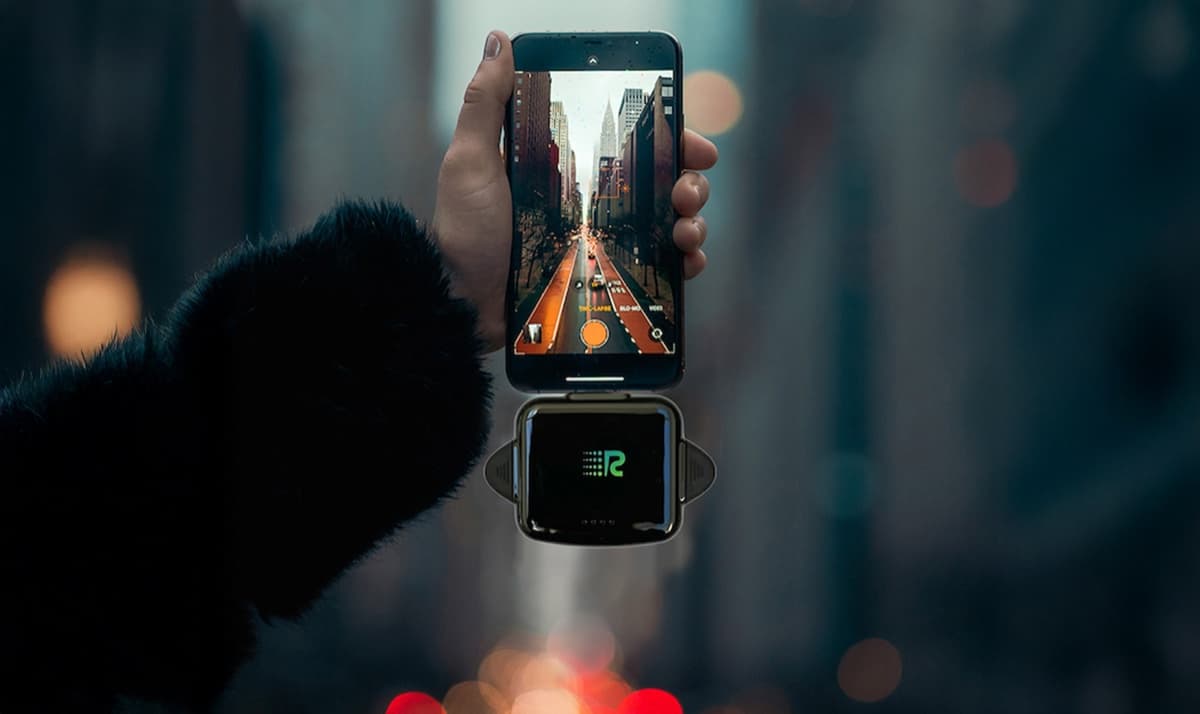
Rush Charge Universe: 3,300 mAh battery, 2.1A output, built-in USB-C, Lightning and Micro-USB connectors, an LED battery meter, pass-through charging and an auto shut-off, according to Rush Charge's spec sheet on rushcharge.com. It measures 3.2 x 3.9 x 0.67 inches and weighs 3.1 oz on that sheet. The offer page says it can charge up to three devices at the same time and promises "26+ Hours of Power."
Anker Nano Power Bank (10K, 45W, Built-In Retractable USB-C Cable): 10,000 mAh battery, a 2.3 ft retractable USB-C cable built into the body, one extra USB-C port and one USB-A port, and a smart display that shows battery status. Anker lists up to 45W from the USB-C cable or port (40W for the iPhone 17 series), 22.5W from the USB-A port, 30W max for recharging the bank itself, and dimensions of 3.21 x 1.99 x 1.42 inches at 0.51 lb (about 8.2 oz).
Price in November 2026: the Rush Charge Universe was $49.99 plus shipping for one on the offer page and $39.99 on rushcharge.com. The Anker Nano Power Bank was $59.99 on anker.com, which lists fast, free shipping.
Connectors: where the Rush Charge Universe wins
This is the Rush Charge's whole reason to exist. The Universe has three connector tips built into the charger, USB-C, Lightning and Micro-USB, and you plug it straight into the device. That means an iPhone 14 or older, an Android phone, a pair of older earbuds with a Micro-USB port and a newer USB-C tablet can all be charged from the same pocket charger without carrying a single cable. The offer page calls this "100% Wireless," but it means cable-free, not Qi or MagSafe wireless charging.
The Anker Nano Power Bank has one built-in cable, and it's USB-C. Anker's own compatibility notes say plainly that to charge the iPhone 14 series and earlier you need a USB-C to Lightning cable, which is not included. For Micro-USB gadgets you'd also need your own cable, plugged into the USB-A port. So the Anker is cable-free only for USB-C devices.
If the problem you keep running into is "I have the battery but not the right cable," the Rush Charge solves it and the Anker doesn't. Our Rush Charge review covers how the flip-out tips feel day to day.
Capacity and charging speed: where the Anker Nano wins
The Anker Nano Power Bank holds 10,000 mAh against the Rush Charge Universe's 3,300 mAh, roughly three times the stored energy. Neither brand promises a specific number of full phone charges on the pages we checked, but the gap is big: the Rush Charge is a top-up for a phone that's running low, while the Anker is built to carry you through a long day or a weekend.
Speed is a similar story. Rush Charge's spec sheet lists 2.1A output (the offer page FAQ says 2.4A, so the two Rush Charge pages don't agree). Anker lists up to 45W from its USB-C cable or port, with 40W for the iPhone 17 series and 45W for Samsung. That is a fast-charging USB-C power bank in a different speed class from a small multi-tip charger.
One caveat for the Anker: when you use the built-in cable and the USB-C port together, Anker's spec sheet says total output drops to 22.5W (15W from the cable, 7.5W from the port), and with all three outputs in use it's 7.5W each. Charging several things at once is possible on both, but it slows both down.
Size and weight in your pocket
On paper the Rush Charge Universe is the lighter carry. Rush Charge's spec sheet lists 3.1 oz and a slim 0.67-inch profile; the offer page FAQ gives a heavier figure of about 7.5 oz, another place where the two Rush Charge pages differ. The Anker Nano Power Bank is listed at 0.51 lb (about 8.2 oz) and is thicker at 1.42 inches, though its footprint is smaller at 3.21 x 1.99 inches.
In practice the Rush Charge is the one you forget is in a pocket or small bag, and the Anker is the one that earns its weight with three times the battery. If you only want insurance against a dead phone on a night out, smaller wins. If you want to stop thinking about battery on a travel day, bigger wins.
Price and bundles compared
The Rush Charge Universe offer page sells it in bundles: $49.99 for one plus shipping, three for $119.99 plus shipping ($39.99 each), five for $184.99 with free shipping ($36.99 each) and ten for $349.99 with free shipping ($34.99 each). The five-pack was preselected when we checked, so look at the total before you pay. Rush Charge's own store at rushcharge.com listed a single Universe at $39.99 against a $100 reference price, in 11 colors.
The Anker Nano Power Bank was $59.99 on anker.com, with a members' discount offered and a bulk price of $43.22 each for 10 or more. Anker also sells cheaper built-in-cable banks: the Anker Zolo Power Bank (10K, 30W) with a 5.4-inch built-in USB-C cable was listed at $29.99, and the Anker Nano Power Bank (30W, Built-In USB-C Cable) at $49.99.
Per unit, a single Rush Charge from rushcharge.com costs $20 less than the Anker Nano, and the multi-packs bring it under $37 each, which matters if you want one for every family member's bag. Per milliamp-hour, the Anker is far better value.
Guarantee, returns and who you're buying from
The Rush Charge offer page advertises a "60 Day Money Back Guarantee" ("If you don't absolutely love it, we'll refund you no questions asked!"). Rush Charge's own store policy is more specific: returns or exchanges within 60 days of receiving your order, items in original condition with all packaging, labels, documentation and accessories, refunded excluding the original shipping cost, with up to 10 business days to process and a prepaid return label in the box to drop at FedEx. Rush Charge is run by Astrapi LLC from Long Island City, New York; our is Rush Charge legit page covers the seller, the terms and the differences between the two Rush Charge pages in detail.
Anker's US store lists a 30-Day Money-Back Guarantee, a "Hassle-Free Warranty" and lifetime customer support. Anker's regional pages quote different warranty lengths, so check the warranty for your country before buying. On the money-back window, the Rush Charge's 60 days is twice Anker's 30.
Don't mix them up: look-alike names on both sides
Searches for these chargers blend several similarly named products. The Anker Nano Power Bank is not the Anker Nano Charger: the Nano Charger is a small wall plug with no battery (see our Anker Nano 30W charger review), while the Nano Power Bank is a battery pack. Anker also sells other built-in-cable banks, such as the Zolo and the Fusion, with different capacities and speeds.
On the Rush Charge side, retailer listings show more than one Rush Charge model, so make sure the listing says Rush Charge Universe (the 3-in-1 model with USB-C, Lightning and Micro-USB tips) if that's the one you want. Rush Charge and Anker are different companies: Rush Charge is Astrapi LLC in New York, and Anker's US store is operated by Fantasia Trading LLC according to its site footer.
Verdict: which one should you buy?
Buy the Rush Charge Universe if you want the smallest possible rescue charger, you have a mix of Lightning, Micro-USB and USB-C devices in the family, or you want one in every bag at under $40 each. It's the only one of the two that charges an older iPhone without a cable.
Buy the Anker Nano Power Bank if you carry one modern USB-C phone, want fast charging, or need two or three full top-ups rather than a quick rescue. It is the more capable power bank; it just isn't cable-free for Lightning or Micro-USB.
If you're leaning toward the Rush Charge, read our full Rush Charge Universe review before ordering, and check the bundle total on the offer page. TopCrate earns a commission only if you buy the Rush Charge through our link.
Read our full Rush Charge review
Our full take on the Rush Charge Universe: how the built-in tips work, who it's worth it for, and what a 3,300 mAh pocket charger can and can't do.
Read our full Rush Charge review →Frequently asked questions
Is Rush Charge better than Anker?
It depends on what you need. The Rush Charge Universe is smaller and has built-in USB-C, Lightning and Micro-USB tips, so it charges almost any device without a cable. The Anker Nano Power Bank holds 10,000 mAh vs 3,300 mAh and charges at up to 45W, so it's the better power bank for capacity and speed.
Does the Anker Nano Power Bank have a Lightning cable?
No. Its built-in retractable cable is USB-C. Anker says the iPhone 14 series and earlier need a separate USB-C to Lightning cable, which is not included. The Rush Charge Universe has a Lightning tip built in.
How many mAh is Rush Charge vs Anker Nano?
Rush Charge's spec sheet lists 3,300 mAh for the Universe. Anker lists 10,000 mAh for the Anker Nano Power Bank (10K, 45W).
How much does Rush Charge cost compared with Anker Nano?
In November 2026 the Rush Charge Universe was $49.99 plus shipping for one on the offer page (bundles from $34.99 each) and $39.99 on rushcharge.com. The Anker Nano Power Bank was $59.99 on anker.com.
Which has the better return policy, Rush Charge or Anker?
Rush Charge offers 60 days: its store policy refunds items returned in original condition with all packaging, minus original shipping. Anker's US store lists a 30-day money-back guarantee plus a warranty.
Can Rush Charge charge three devices at once?
The Rush Charge offer page says it charges up to three devices at the same time using its three built-in tips. Sharing a 3,300 mAh battery three ways will slow each device down, so treat it as a top-up.
TopCrate is reader-supported. When you buy through links on our site we may earn an affiliate commission, at no extra cost to you. Content is for general information and isn't a substitute for professional advice.