COMPARISON
Moksha Beam Alternatives: Moksha Beam vs Komuso Shift and Other Breathing Necklaces (2026)
The best-known alternative to the Moksha Beam is Komuso's Shift breathing necklace. Both work the same way: you exhale slowly through a narrow tube. They differ on price, finishes, extras and how clearly the return terms are written. Here is how the two compare, plus the no-cost option.
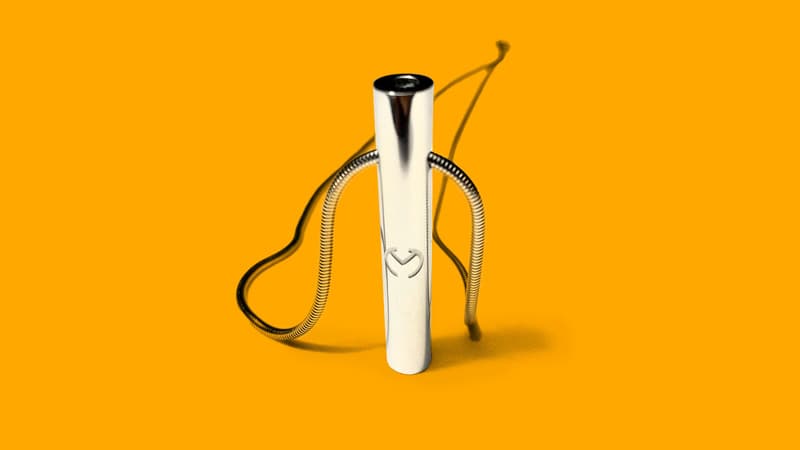
The closest alternative to the Moksha Beam is the Komuso Shift, a breathing necklace from Komuso Design that uses the same idea: you breathe in through your nose, then breathe out through a narrow tube so the exhale is slower and longer. The Moksha Beam usually costs less and includes a breathing app. The Komuso Shift costs more, comes in more finishes and has a much more detailed written return policy.
This guide compares the two pendants on what their own sales pages say: materials, prices, extras, guarantees and the claims each brand makes. It also covers the free option, a simple slow-exhale routine with no device, and the products people sometimes mix up with the Beam. Our Moksha Beam review gives the full verdict on the Beam itself.
How breathing necklaces like the Moksha Beam work
A breathing necklace is a pendant with a narrow airway through its middle. You inhale normally through your nose, put the pendant to your lips, and exhale through it. The narrow opening adds gentle resistance, so a relaxed out-breath takes longer than usual. Both brands describe the same three steps: breathe in through the nose, breathe out through the pendant, and notice your body slow down.
The reasoning behind the design is the familiar breathwork advice to make your exhale longer than your inhale. Komuso's product page says a longer exhale is "associated with activating the body's calming response", and the Moksha Beam sales page makes a similar case. Neither brand names a study of its own pendant on the pages we read, so think of either one as a prompt for a breathing habit, not a medical device. Neither is a substitute for care if you live with anxiety, panic or a breathing condition.
That shared mechanism matters when you compare them. You are not choosing between two different technologies. You are choosing between two versions of the same simple object, so price, build, finish, extras and return terms do most of the work in the decision.
Moksha Beam: what you get
The Moksha Beam sales page describes a pendant made from 316-grade stainless steel that is lead- and nickel-free and does not tarnish, in Polished Silver, Space Grey and Rose Gold. A breathing coach app is bundled with the purchase, with on-demand exercises and periodic check-ins. The page says the Beam is designed and developed in the USA, and that it is sold through GiddyUp, which describes itself as a curator of innovative products.
The landing page shows order buttons rather than a price list, but the order data built into it, when we checked, priced one Beam at $39.99 plus $4.99 shipping, three for $79.98 ("Buy 2, Get 1 FREE", about $26.66 each) and five for $119.97 ("Buy 3, Get 2 FREE", about $23.99 each). Funnel prices change, so confirm the total at checkout; our Moksha Beam review tracks the price as we last verified it. Shipping is described as free and fast in the USA "on qualifying offers only", with delivery to more than 30 countries.
The guarantee is a "30-day money back warranty" with the promise "Try Beam risk-free and if you don't love it, we'll fix it." What the page does not spell out is who pays return shipping, how fast refunds arrive, or whether the pendant must be unused. Our guide on whether Moksha Beam is legit covers the company behind it, the mixed independent reviews and those refund gaps in more detail.
Komuso Shift: what you get
Komuso Design sells several versions of its breathing necklace. When we checked its site, the Classic Shift started at $79.00, the Active Shift at $75 and a bundle called The Calm Signature Bundle at $159. The Classic Shift is listed in Sterling Silver, Matte Slate, 14k Gold and Rose Gold, with a sterling silver box chain, and the page describes the pendant as made from "Medical-Grade Stainless Steel". The Active Shift is a lightweight ceramic version on an adjustable cord, pitched for workouts, walks and travel.
The Classic Shift box is spelled out: the pendant, your chosen chain, a protective microfiber pouch and a quick-start breathing guide, plus free access to a breathwork course Komuso calls The Komuso Method. The product page suggests using it for one to three minutes whenever stress arises. Coverage of the brand says the design was inspired by the flutes played by Komuso monks in 17th-century Japan, which is where the company name comes from.
Komuso also makes claims we could not check: the product page mentions "135+ Clinicians & Therapists" and says the necklace is HSA/FSA eligible. Treat those as the brand's statements and confirm eligibility with your plan administrator before counting on it.
Moksha Beam vs Komuso Shift: price, build and extras
On price, the Moksha Beam has the clear edge. At $39.99 for one (plus $4.99 shipping) against $75 to $79 for a Shift, the Beam costs about half as much, and its multi-packs bring the price under $27 a pendant. If you want a breathing necklace mainly to test whether the habit sticks, the lower price is a real advantage.
On materials, both brands say stainless steel for their metal pendants. Moksha specifies 316-grade and says the steel is lead- and nickel-free, which is useful if you have a metal sensitivity. Komuso says "medical-grade" stainless steel without naming the grade on the page we read, and it adds a sterling silver chain, a 14k gold finish and a ceramic option that Moksha does not offer.
On extras, the two take different routes. Moksha bundles a breathing app with on-demand exercises. Komuso includes a pouch, a printed guide and its online breathwork course. If you like guided sessions on your phone, the Beam's app is the better fit. If you would rather have a course and a nicer box for a gift, the Shift has more in it.
On looks, Moksha offers three finishes, including Space Grey, which Komuso does not list. Komuso offers four finishes on the Classic Shift plus the ceramic Active Shift. Neither is better here; it is a matter of taste.
Return policies compared: where Komuso wins
This is the clearest difference between the two. Komuso publishes a full returns page. Returns must be requested by email within 30 days of the delivery date, the item must show no signs of wear or damage, and all original packaging must come back, including the box, pouch and insert card. US customers get a prepaid return label, which must be scanned by the carrier within 14 days or the request is closed. Refunds are issued after the item is inspected, and original shipping charges are not refunded. Domestic orders ship free by USPS.
The Moksha Beam's terms are shorter: a 30-day money-back warranty and a promise of hassle-free returns, without the detail about condition, return postage or refund timing. That does not mean the Beam's guarantee is worse in practice, but it does mean you should read the policy at checkout, save your order confirmation and ask support in writing if anything is unclear. Some Trustpilot reviewers of Moksha reported slow replies, so keep a record of every message.
One practical point applies to both: Komuso's policy requires no signs of wear, and a breathing pendant is something you put to your mouth. If you think you might return it, test it carefully, keep every piece of packaging, and decide well inside the 30 days.
The free alternative to the Moksha Beam
You do not need any device to practise a long exhale. Breathing in gently through your nose and then out slowly through pursed lips, as if through a straw, does the same basic job at no cost. Many people use a simple count, breathing out for longer than they breathed in.
What a pendant adds is the reminder and the pacing. It hangs around your neck, so it is there when stress hits, and the narrow tube sets the pace without counting. If you have tried slow breathing before and never kept it up, that is the reason to pay for a Beam or a Shift. If you already have a habit that works, a necklace is a nice-to-have rather than a need.
If what you want is help winding down at night rather than a daytime prompt, a bedside light that paces your breathing is a different approach; our guide on whether Dodow is legit covers one. For a silent, hands-only option for meetings where an audible exhale would draw looks, see the Chill Pill palm device.
Moksha Beam look-alikes: don't mix these up
Several names get blended in search results, so here is the plain version. Moksha Beam and Komuso Shift are made by different companies. They look similar and work the same way, but reviews of one are not reviews of the other.
Moksha also sells a separate, more expensive electronic breathing device, which TechCrunch described in 2024 as a $150 smart device with air-pressure sensors, haptic feedback and Bluetooth tracking. That is not the Beam pendant. There is also a Beam app by Moksha in the App Store, which is the companion app rather than the necklace. And "Moksha" is a common word used by unrelated yoga studios and wellness brands, so check that any review you read is about the stainless-steel breathing pendant.
Which breathing necklace should you buy?
Choose the Moksha Beam if you want the lowest price for a metal breathing pendant, you like the idea of a companion app, or you want a Space Grey finish. It is the easier way to find out whether a breathing necklace becomes part of your day. Go in knowing the refund terms are brief, so read them at checkout.
Choose the Komuso Shift if you want a gift-ready box with a pouch and guide, a 14k gold or ceramic option, or a return policy that is written out in full before you buy. You pay roughly $35 to $40 more for those things, and for many buyers that is a fair trade.
Choose neither if you already have a slow-breathing habit that works for you; pursed-lip breathing costs nothing. TopCrate earns a commission only if you buy the Moksha Beam through our links. We are not paid on the Komuso Shift, which is why we have set out where it wins.
Read our full Moksha Beam review
How the breathing pendant works, who it suits, the finishes and our verdict.
Read our full Moksha Beam review →Frequently asked questions
What is the best alternative to the Moksha Beam?
The closest alternative is the Komuso Shift breathing necklace, which works the same way: you exhale through a narrow tube to slow your breath. It costs more (from $75 to $79 when we checked) but comes in more finishes and has a more detailed return policy.
Is the Moksha Beam the same as the Komuso Shift?
No. They are made by different companies. Both are stainless-steel breathing pendants that lengthen your exhale, but they differ in price, finishes, extras and return terms.
Is the Moksha Beam cheaper than the Komuso Shift?
Yes. When we checked, the Moksha Beam's order data priced one at $39.99 plus $4.99 shipping, with three for $79.98. Komuso's Classic Shift started at $79.00 and the ceramic Active Shift at $75 when we checked.
Which breathing necklace has the better return policy?
Komuso spells out more: 30 days from delivery, no signs of wear, all original packaging, a prepaid label for US orders, and original shipping not refunded. The Moksha Beam offers a 30-day money-back warranty but gives fewer details on its page.
Do breathing necklaces like the Moksha Beam actually work?
They work as a prompt and a pacer for slow breathing, which many people find relaxing. Neither brand cites a study of its own pendant on the pages we read, so treat them as wellness tools, not medical devices.
Can I get the same effect as a Moksha Beam for free?
Mostly, yes. Slow pursed-lip breathing with a longer exhale than inhale does the same basic job. The Moksha Beam's value is that it is always around your neck and paces the exhale without counting.
TopCrate is reader-supported. When you buy through links on our site we may earn an affiliate commission, at no extra cost to you. Content is for general information and isn't a substitute for professional advice.