SLEEP
How to Stop Snoring: What Actually Works in 2026
Snoring has a cause — and the right fix depends on it. Here's a no-nonsense rundown of what works, what doesn't, and exactly how to choose.
If snoring is wrecking your sleep — or your partner's — the good news is that most snoring is fixable once you understand what's causing it. The bad news is that the internet is full of gadgets that don't do much, which makes it hard to know where to put your money.
This guide cuts through it. We'll cover why you snore, the small handful of approaches that genuinely help, the ones that mostly don't, and how to match a fix to your specific situation so you're not just throwing cash at the problem.
Why you snore in the first place
Snoring is the sound of soft tissue at the back of your throat vibrating as air passes over it while you sleep. When the muscles around your airway relax, the airway narrows, the air speeds up, and the tissue flutters — that's the noise your partner has come to know so well.
Different things narrow that airway, and this is the part most people skip: a relaxed jaw sliding backward, poor sleep posture that kinks your neck, nasal congestion that forces mouth-breathing, or extra weight around the neck. The single most useful thing you can do before spending a cent is figure out which of these applies to you, because each one has a different best fix.
Best for heavy snorers: an adjustable mouthpiece
If you snore loudly every night, the most effective single fix is a mandibular advancement mouthpiece — a guard that holds your lower jaw slightly forward so the airway can't collapse. The one we rate highest is SnoreRX, because unlike the one-size guards sold in drugstores, it takes a real boil-and-bite mold of your teeth and adjusts in 1mm increments, so you can dial in relief without waking up with an aching jaw.
There's an adjustment period of a few nights with any mouthpiece, but for chronic, every-night snorers it's the closest thing to a reliable off-switch. It's a one-time buy with nothing to reapply, which also makes it cheaper over time than nightly products.
Best if you hate wearing something: an anti-snore pillow
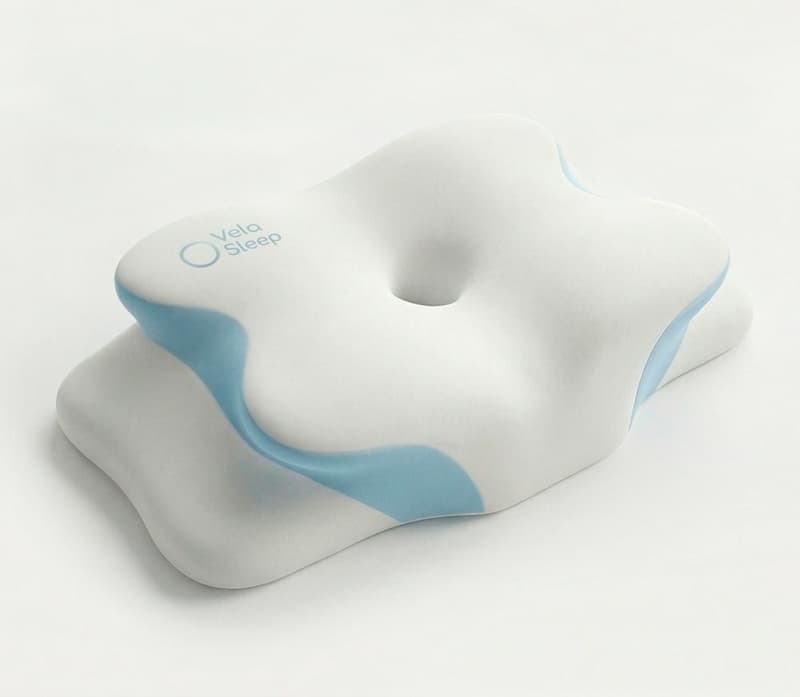
Can't stand the idea of something in your mouth? The fix can be under your head instead. A contoured cervical pillow like VelaSleep keeps your neck in a neutral position so the airway stays open, which quiets snoring and — bonus — kills the morning neck stiffness a flat, worn-out pillow leaves behind.
It's the easiest 'set it and forget it' option here: nothing to wear, nothing to reapply, and it works for back and side sleepers. Give a contoured pillow a few nights to feel normal before you judge it.
Lightest touch: sprays, strips and nasal aids
For lighter or occasional snorers, the lowest-commitment options are worth trying first. A bedtime throat spray like SnoreStop soothes and lubricates the tissue that vibrates, and it's the cheapest, most effortless thing on this list — a few sprays before bed and that's it.
If your snoring is really a nose problem — congestion or mouth-breathing — go straight to the nose. Classic Breathe Right strips physically pull your nostrils open, a reusable nasal dilator does the same job from the inside, and viral mouth tape encourages nasal breathing by gently keeping your mouth closed. Many people get the best result by combining two approaches, like a pillow plus nasal strips.
What usually doesn't help much
Generic one-size 'anti-snore' gadgets, wristbands that buzz when you snore, and most supplements have thin evidence behind them. They might help a little, but they rarely target the actual cause. Two free fixes beat most of them: skip alcohol close to bedtime, and stop sleeping flat on your back — both make snoring noticeably worse.
When to see a doctor
Snoring is usually harmless, but it can sometimes be a sign of obstructive sleep apnea, which is a medical condition. If you gasp, choke, or stop breathing during sleep, or you're exhausted despite a full night's rest, talk to a doctor before relying on any anti-snore product.
See the best anti-snoring solutions of 2026
We compared mouthpieces, pillows, sprays and nasal aids head-to-head — with our top picks for each type of snorer.
See the best anti-snoring solutions of 2026 →Frequently asked questions
What's the fastest way to stop snoring?
For most heavy snorers, an adjustable mouthpiece gives the most reliable results. If you want the simplest thing to try tonight, a throat spray or nasal strips work immediately for lighter snoring.
Does sleep position matter?
Yes — sleeping on your back lets the jaw and tongue fall back and narrow the airway. Side-sleeping often reduces snoring on its own, which is why an alignment pillow helps.
Are anti-snore pillows worth it?
If you can't tolerate a mouthpiece, a contoured pillow that keeps your neck aligned is one of the easiest, lowest-effort ways to open the airway — and it helps neck stiffness too.
Mouthpiece or spray — which should I try first?
Heavy, every-night snorers should start with a mouthpiece. Light or occasional snorers can start cheap with a spray or nasal strips and only step up if needed.
TopCrate is reader-supported. When you buy through links on our site we may earn an affiliate commission, at no extra cost to you. Content is for general information and isn't a substitute for professional advice.