HANDS-ON REVIEW
SnoreStop Natural Anti-Snoring Oral Spray Review: Is It Worth It?
A quick bedtime throat spray that helps quiet snoring at the source — no mouthpiece, no chin strap, no machine.
Quick answer: If snoring is wrecking sleep in your house, SnoreStop is the easiest, lowest-commitment thing to try first — no device in your mouth, nothing strapped to your head, just a few sprays before bed. It won't replace medical care for apnea, but for ordinary snoring it's a cheap, sensible starting point that's hard not to recommend.
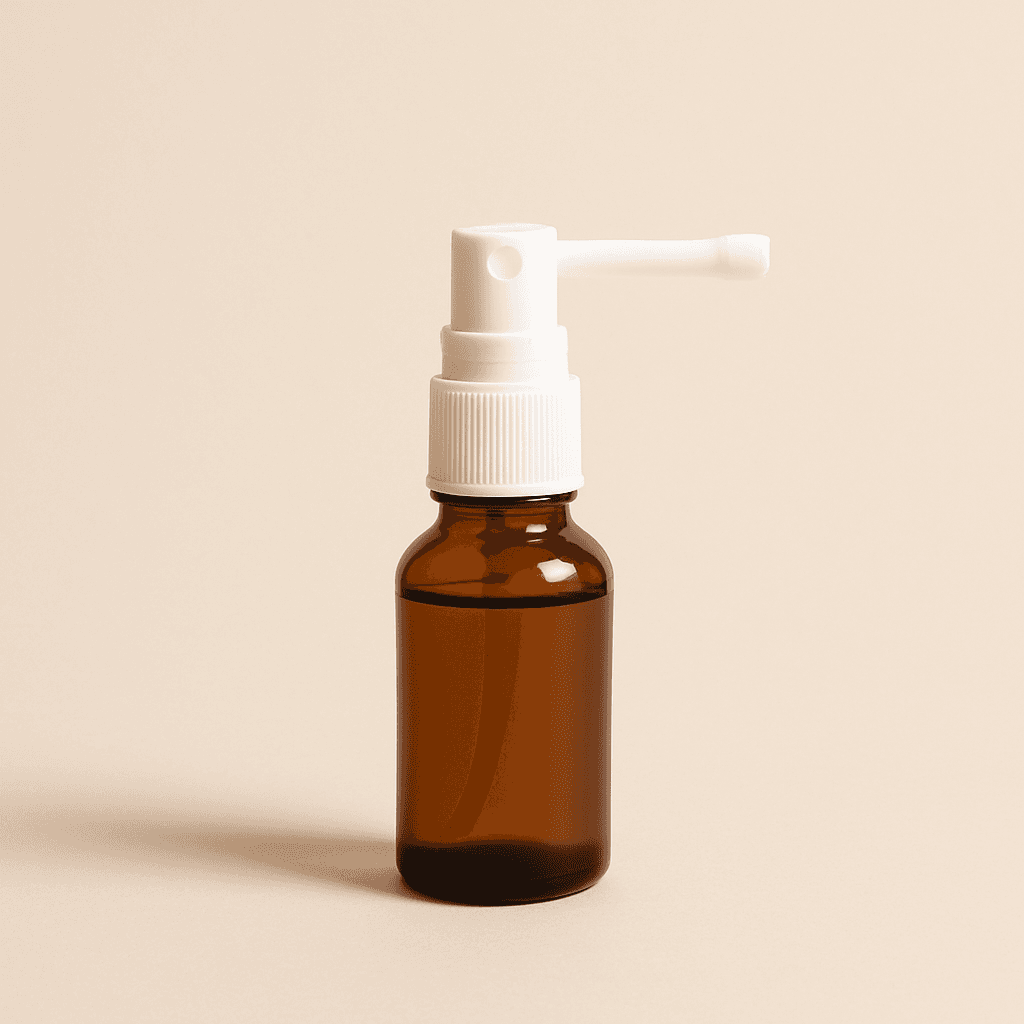
A few sprays before bed — no devices to wear. Photo: SnoreStop
Our verdict
If snoring is wrecking sleep in your house, SnoreStop is the easiest, lowest-commitment thing to try first — no device in your mouth, nothing strapped to your head, just a few sprays before bed. It won't replace medical care for apnea, but for ordinary snoring it's a cheap, sensible starting point that's hard not to recommend.
The short version
SnoreStop is a natural oral spray you use right before bed. A few pumps at the back of the throat help soothe and lubricate the soft tissue that vibrates when you snore, so you (and your partner) can get a quieter night without a bulky mouthpiece, a chin strap, or a noisy machine.
Pros & cons
Pros
- No device to wear — just a quick spray before bed
- Natural, homeopathic formula
- Easy for partners and travel
- Far cheaper than mouthpieces or sleep machines
- Nothing to fit, charge or clean
Cons
- Needs to be reapplied every night
- Results vary depending on what causes your snoring
- Not a treatment for diagnosed sleep apnea
How it works
Shake and aim
Give the bottle a shake and aim the nozzle toward the back of your throat.
Spray before bed
A few pumps coat the soft tissue at the back of the throat that tends to vibrate during sleep.
Drift off quieter
The soothed, lubricated tissue vibrates less, helping reduce the sound of snoring through the night.
Who it's for
- Snorers who don't want a mouthpiece or chin strap
- Partners losing sleep to the noise
- Travelers who want something packable
- Anyone wanting to try the simplest option first
Does an anti-snoring spray actually work? The mechanism and where it fits
Snoring is a mechanical noise, not a mystery. As you fall asleep, the soft tissue at the back of your throat — soft palate, uvula, and the base of the tongue — relaxes and partially narrows the airway. Air passing through the narrowed space causes those tissues to vibrate, and that vibration is the sound. SnoreStop works directly on that exact tissue: a few pumps before bed coat the soft palate and pharyngeal walls with a homeopathic astringent formula that helps firm and lubricate the tissue so it stays a little more taut and slides instead of flutters. It doesn't open your airway mechanically the way a mandibular advancement mouthpiece does, and it doesn't clear a blocked nose — think of it as soothing the vibrating surface rather than repositioning the jaw.
That mechanism defines its lane precisely. If your snoring is throat-based — dry mouth from mouth-breathing, alcohol-relaxed palate, allergy-triggered post-nasal drip that irritates the throat, or the ordinary age-related loss of tissue tone that turns quiet sleepers into loud ones in their 40s — SnoreStop has a real chance of quieting it. If your snoring is nose-based (deviated septum, chronic congestion, polyps), a throat spray does close to nothing, and the fix is a Breathe Right strip, saline rinse, or an ENT visit. If your snoring is jaw-based (recessed lower jaw closing the airway when you lie back), a mouthpiece is the right tool. And critically: if you gasp, choke, or your partner has watched you stop breathing, that's sleep apnea, not snoring, and no OTC spray addresses it — a sleep study and CPAP or dental appliance conversation is the right next step. As the cheapest, lowest-friction option to test whether your snoring is throat-based, it's a reasonable first move — but know what it's not.
SnoreStop vs a mouthpiece vs nasal strips vs a chin strap: choosing by cause, not price
The anti-snoring shelf has four legitimate categories, each targeting a different root cause. Nasal strips ($10-15 for a box): mechanically hold the nostrils open — best for cold-driven or septum-narrowed nasal snoring, disposable and cheap for occasional use. Throat sprays like SnoreStop ($25-30 per bottle, lasts weeks): lubricate and firm the palate — best for dry-mouth, alcohol-relaxed, or mild throat vibration snoring; needs nightly reapplication. Chin straps ($15-30): keep the mouth closed to force nasal breathing — best when mouth-breathing itself is the trigger, but many users can't tolerate the sensation and it does nothing for actual palatal vibration. Mandibular advancement mouthpieces like SnoreRX ($99+) — or the more budget-friendly Sleepzee mouthpiece at around $50 for the same jaw-forward mechanism without SnoreRX's calibrated 1mm adjustment — physically hold the lower jaw forward to open the airway. Mandibular devices are the strongest OTC category and the one that reliably works on loud, chronic snoring, but they require a boil-and-bite fit and a few nights of adjustment.
Match the tool to what's actually driving your snoring. Not sure? Two quick tests. (1) Cover your mouth and try to snore through your nose — if you can't, your snoring is nasal (buy strips). (2) Push your lower jaw forward with your finger while breathing — if that quiets the noise (a spouse can test this on you while you doze), your snoring is jaw-based (buy the mouthpiece). If neither test changes anything and your mouth stays open at night, that's throat vibration territory where SnoreStop fits. Many households end up with two products: nasal strips for cold weeks, spray or mouthpiece for the underlying pattern. And a low-tech add-on that quietly outperforms most of them: a wedge pillow or elevated head position, since supine sleep is the biggest single amplifier of snoring — a cooling pillow with adjustable loft that lets you sleep on your side comfortably often does more than any spray or strip alone.
How to actually use SnoreStop for the best chance of quiet nights
The application details matter more than most users realize. Shake the bottle vigorously for 10 seconds before each use — the natural ingredients settle and the formula only works when it's mixed. Aim the nozzle up and back toward the soft palate (the fleshy area at the back of the roof of the mouth), not down at the tongue, so the spray lands on the tissue that actually vibrates. Use it as the very last step of your bedtime routine, after brushing teeth and any water, since anything you eat, drink, or wash your mouth with afterwards rinses the coating off within minutes. Two to three pumps is the standard dose; the label is the authority — don't stack sprays hoping for more effect, because concentration isn't the mechanism here.
Then stack the habits that let the spray do less work. Sleep on your side, not your back — a tennis ball sewn into the back of a t-shirt is the classic trick to prevent rolling supine. Skip alcohol within three hours of bed, since it relaxes throat tissue more than anything else people do to themselves. Treat allergies aggressively during pollen season with a nasal steroid or antihistamine (post-nasal drip fuels palatal irritation). Hydrate through the day — a dry throat vibrates louder than a moist one. Give the spray a full two weeks of consistent nightly use before deciding whether it's helping, since 'is my snoring better' is a partner-observed metric that needs a few nights of comparison. If after two weeks nothing changes and your snoring is loud and chronic, escalate to a mandibular device — SnoreRX is the calibrated 1mm-adjustable one that works when sprays don't. And if the pattern is gasping, choking, or witnessed apneas, that's a doctor visit, not another OTC purchase.
When to know SnoreStop is working (or isn't) — a realistic 14-night timeline
The honest expectation with any anti-snoring spray is that it's evaluated by your partner, not by you, and the signal is noisy across nights. A useful protocol: on night one, spray as directed and ask your partner to note the noise level on a simple 1–5 scale in the morning (1 = quiet enough to sleep through, 5 = kept them awake). Repeat nightly for two weeks without changing other bedtime variables. Trends matter more than any single night — one bad night on Wednesday could be the extra glass of wine, one great night on Sunday could be the humidifier that happened to be running. Two-week averages tell you whether the underlying pattern shifted.
What 'working' looks like: partner-rated scores drop by at least one full point on average across the fortnight, and the drop is consistent rather than driven by a couple of great nights and a lot of unchanged ones. What 'not working' looks like: average scores stay the same, or improvements track alcohol-free nights rather than spray-vs-no-spray. If two weeks of consistent use plus the side-sleep and alcohol-avoidance habits above don't shift the average, the mechanism isn't throat-vibration — it's jaw-position or nasal, and the right next step is either a SnoreRX mandibular device or the nasal-strip route. The spray is a legitimate first bet at $30 because it's cheap and the mechanism is real; a two-week honest test tells you whether to stay or escalate. Combine with a proper sleep environment — quiet room, silicone earplugs like Loop Quiet 2 on the partner's side of the bed for backup, and a supportive pillow that keeps the airway open — and the household gets to a quiet night by the shortest realistic path.
Frequently asked questions
How does a spray reduce snoring?
Snoring is the sound of soft tissue at the back of the throat vibrating as you breathe. SnoreStop's formula helps soothe and lubricate that tissue so it vibrates less.
When do I use it?
You spray it at the back of the throat right before you go to sleep. It's reapplied nightly.
Is it a treatment for sleep apnea?
No. SnoreStop is for everyday snoring. If you've been diagnosed with sleep apnea, or suspect you have it, talk to your doctor.
Does it taste bad?
Most people find the taste mild and easy to get used to as part of a bedtime routine.
Is SnoreStop safe to use every night long-term?
SnoreStop is designed for nightly use as part of a bedtime routine, and the natural, homeopathic formula is meant to be gentle on the throat. As with any product you use regularly, it's smart to read the label and check with your doctor if you're pregnant, nursing, or taking medication. If you notice any irritation, stop and consult a healthcare provider.
Will SnoreStop help if my snoring comes from nasal congestion?
Not directly. SnoreStop targets the soft tissue at the back of the throat, so it does little for snoring that originates in a blocked or congested nose. If congestion is your main trigger, pairing it with a nasal strip or treating the congestion itself will do more. For throat-based snoring, the spray is better matched to the cause.
When you buy through links on this page, TopCrate may earn an affiliate commission at no extra cost to you. SnoreStop is intended to help reduce common snoring and is not intended to diagnose, treat, cure or prevent sleep apnea or any disease. If you suspect a sleep disorder, consult a healthcare provider. Individual results vary. Prices accurate as of publish time.
More reviews you might like
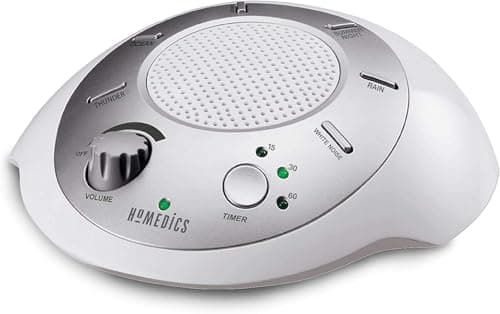
WHITE NOISE
Homedics SoundSleep Review: Best Portable White Noise Machine?
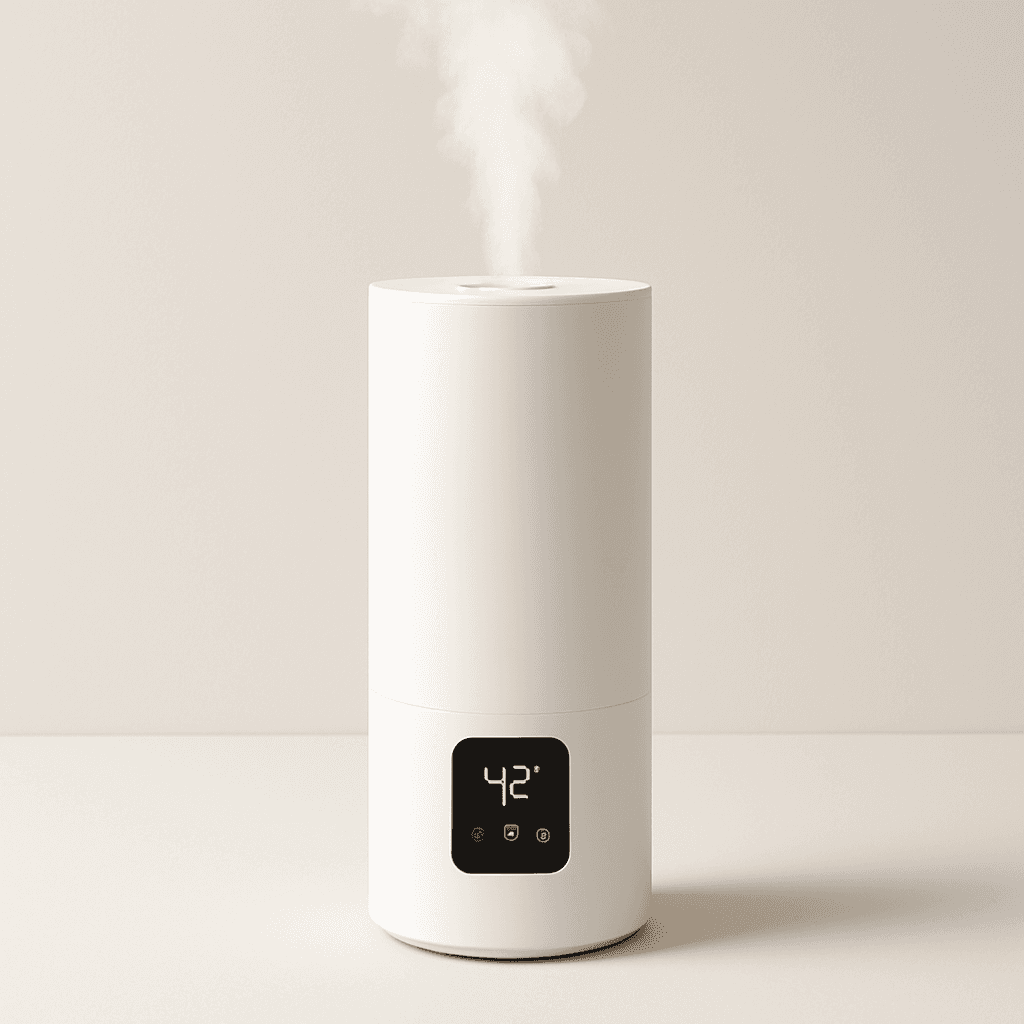
AIR QUALITY
Levoit Humidifier Review: Is the Bestselling Cool-Mist Bedroom Pick Worth It?
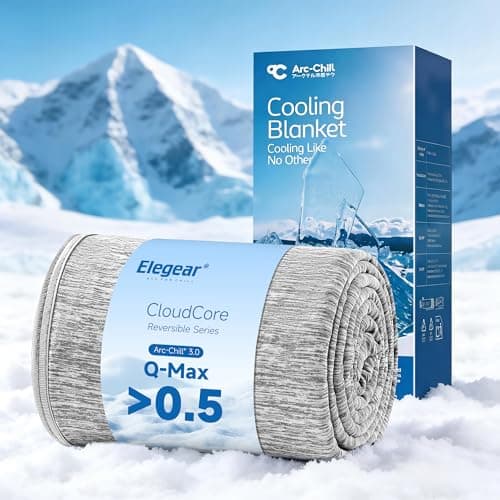
COOLING
Elegear Cooling Blanket Review: Does Arc-Chill Really Work for Hot Sleepers?
COOLING