GROOMING
How to Shave Your Head Smooth: The Home Routine That Doesn't Leave You Nicked, Itchy, or Missing a Spot
Regular razors nick the ears, foil shavers can't handle uneven scalp terrain, and 'just going against the grain' is how razor bumps happen — here's the sequence that gets a smooth bald in under ten minutes.

Shaving your own head is a very different job from shaving your face. The scalp is curved in three dimensions, you can't see the back of it, the skin over the ears and occipital ridge is thin and easily nicked, and hair grows in swirls that switch direction across the crown — which is why a technique that works fine on a beard leaves head-shavers looking like they lost a fight with a hedge trimmer.
This guide covers what actually works for at-home head shaving in 2026: the tool that removes the two-hand awkwardness, the pre-shave prep that prevents 80% of the nicks, the with-the-grain sequence that avoids the razor bumps and ingrown hairs that ruin the look, and the aftercare that keeps a bald scalp from looking dry, flaky, or shiny in the wrong way. It's the routine barbers use on themselves, minus the mirror gymnastics.
Why a regular razor is the wrong tool for a whole head
A five-blade cartridge razor is engineered for a flat, well-lit surface at arm's length — your face. On a scalp it fights you: five blades bunched into a straight bar can't sit flat against the compound curve behind the ear, the guard rail catches on the occipital ridge and skips, and every stroke around the crown crosses a hair-direction change that either drags or misses. The result is the classic bald-head-with-a-razor look: a smooth crown, a stripe of stubble behind the ears, and a nick on the temple that bleeds for an hour.
The purpose-built alternative is a rotary head shaver — multiple small spinning heads (usually 4 or 5) that float independently and contour to the scalp, wet or dry, with no cartridge to track and no grain to fight. The Groomie head shaver is the widely-recommended entry in that category: five wet/dry rotary heads that pivot to match scalp curvature, a battery display so you never get stranded half-shaved, and a body designed to be gripped from any angle including palm-in for the back of the head. Skull Shaver's Pitbull Gold PRO and Remington's HeadSmart cover the same job with different price points, and any of them beats a face-designed razor for this specific use case.
Pre-shave prep: the ten seconds that saves your scalp
Nearly every bad bald shave loses its battle before the shaver even touches skin. The prep that actually matters is short: trim any long stubble down to about 1-2 mm with a beard trimmer or the shaver's own trim head first (long hair jams rotary blades and pulls); then wet the scalp with warm — not hot — water for at least a minute in the shower, which softens the hair shaft and swells the follicle so cuts happen at skin level, not below it. If you're shaving dry, skip the water and instead do a full brush-and-rinse to remove sweat and product residue that would clog the heads mid-stroke.
For wet-shave setups, a thin layer of a slick shave gel or oil (not a foamy drugstore cream, which the rotary heads can't cut cleanly through) buys you glide and lets the razor sense the scalp instead of the foam. Cheap-and-effective: a nickel-sized dab of hair conditioner rubbed across the whole scalp is a genuinely acceptable substitute if you're mid-travel and out of shave products. What matters is the layer being thin and even — a thick lather adds grip, which is the opposite of what a head shave needs.
The with-the-grain sequence that avoids razor bumps
Hair on the scalp grows in different directions across the head — generally forward on the top, sideways over the ears, and downward at the back — with a swirl or two around the crown that switches direction over a few centimeters. Shaving against the grain feels closer but is exactly how you get razor bumps (pseudofolliculitis barbae): cutting the hair below skin level lets it retract, curl, and re-emerge under the surface as an inflamed bump. On the scalp, where sun and friction from a hat or pillow already stress the skin, that's a recipe for weeks of small itchy welts.
The technique that actually works, in order: start at the top and work outward, using overlapping straight strokes with light pressure — the rotary heads do the cutting; pressing harder just causes irritation. Do the sides next, going down toward the ears with the grain. The back is done by feel: use your free hand to check for stubble, then shave the felt areas in short strokes, generally top-to-bottom. A quality wet/dry rotary shaver lets you do the whole thing in the shower with the fan on and one hand on the scalp for feedback, which is genuinely how professionals shave heads without a two-mirror setup. For an ultra-close finish, you can do a light second pass across the grain (not against) — but skip the against-the-grain third pass everyone recommends on faces; it's the single biggest cause of bald-shave bumps.
Aftercare: soothe, moisturize, and — yes — sunscreen
Freshly shaved scalp needs three things: a cool rinse to close pores and calm the skin, an alcohol-free soother (pure aloe or witch hazel — skip the drugstore aftershave splashes, which sting freshly-shaved thin skin), and a light non-comedogenic moisturizer. Heavy scalp creams look shiny in a way that reads greasy on a bald head; a light lotion absorbs cleanly and lets the scalp look matte-satin, which is the finish most people are actually going for. If your skin is prone to razor bumps, an over-the-counter salicylic acid (BHA) toner used every second or third day gently exfoliates the follicle openings and prevents hairs from getting trapped.
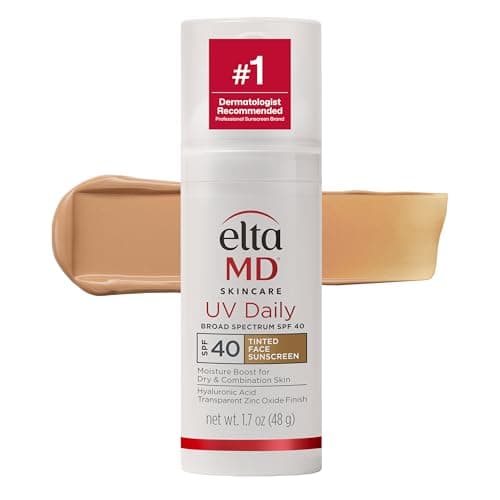
The part almost everyone underdoes: sunscreen. A bald scalp is the same skin as your face, minus decades of daily SPF, and it takes the worst of the UV dose because it's the highest point on your body. Wear a broad-spectrum SPF 30+ every day you'll be outside more than a few minutes, and keep a hat handy for anything longer than a lunch break in direct sun. Skin cancer on the scalp is a genuinely serious pattern in men who shave and don't cover — the American Academy of Dermatology has been beating this drum for years. A tinted mineral SPF for the scalp works well because it doesn't leave a white cast on skin that hair used to hide. For the general how-to on choosing one, our tinted sunscreen guide covers what to look for.
Common mistakes that make a home head shave look bad
The most common: shaving on a dry scalp with a foil shaver designed for faces, which glides fine on a beard but skips across scalp curvature and misses whole zones. Second: pressing hard because 'the shaver isn't cutting close enough' — pressure doesn't get closer, it just irritates. A rotary shaver that's not cutting cleanly usually needs a new cutter/blade head; most manufacturers rate them for 12-18 months of daily use. Third: rushing the back. The back of the head has the most direction changes and no visual feedback; slow down, use the free hand as a scanner, and do it in short strokes.
A few end-notes worth planning around. If you shave your head every day, expect some scalp adjustment for the first two weeks — mild redness and occasional itch as follicles get used to being cut at skin level; a gentle moisturizer nightly is usually enough to see it through. If you're bald by choice (not by hairline) and are considering going every other day rather than daily to see the difference, know that the stubble-day look for a shaved head is closer to 'I forgot' than 'stylish 5 o'clock shadow' — it's a whole-head effect, not a jawline effect. And if body maintenance is on the same routine, a below-the-belt trimmer like the Manscaped Lawn Mower covers a different job with the same waterproof, cordless approach — plan a single charging spot so nothing's ever dead when you want it.
Read our Groomie Shaver review
The 5-blade rotary head shaver built for the specific job of shaving a whole scalp — wet or dry, cordless, waterproof, with independently floating heads that contour to the curves a regular razor can't handle.
Read our Groomie Shaver reviewFrequently asked questions
What's the best way to shave your head at home?
Trim long hair to 1-2 mm first, wet and warm the scalp for at least a minute (or clean thoroughly if shaving dry), apply a thin layer of shave gel or oil for a wet shave, and use a rotary head shaver in overlapping strokes with the grain — top first, sides down toward the ears, back by feel. Rinse with cool water, apply an alcohol-free soother, and finish with a light moisturizer plus SPF 30+ for any daytime outings. Total time: about 8-10 minutes.
Is a rotary head shaver better than a regular razor for shaving your head?
For the whole head, yes. A cartridge razor is designed for a flat, well-lit surface and can't sit flat against the curves behind the ears or over the occipital ridge without skipping. A multi-head rotary shaver like the Groomie head shaver has independently floating heads that contour to the scalp, work wet or dry, and can be operated one-handed from any angle — which is what the back of the head requires.
Should I shave against the grain to get a closer bald shave?
No — this is the single biggest cause of razor bumps (pseudofolliculitis barbae) on the scalp. Against-the-grain cuts hair below skin level; when it grows back it can curl and re-emerge under the skin as an inflamed bump. Shave with the grain, and for a closer finish do a light second pass across the grain (perpendicular), not against. Skip the third pass entirely on the scalp.
How often should I shave my head to keep it smooth?
Every 1-2 days for a truly smooth look. Stubble on a shaved head is a whole-scalp effect, not a stylish jawline shadow — most people who shave for the look shave daily or every other day. If your growth is very light or slow, every three days can work; if you're doing manual work or spending a lot of time in hats and sun, daily may feel cleaner. Give your scalp a rest day per week if you're prone to irritation.
Do I really need sunscreen on a bald head?
Absolutely — the scalp is the highest point on your body and takes the highest UV dose, and it's the exact skin that used to be shielded by hair. Broad-spectrum SPF 30+ every day you'll be outside for more than a few minutes, plus a hat for extended sun. Skin cancers on the scalp are a well-documented risk for men who shave and don't cover, and dermatologists rank it among the most-under-protected areas. A tinted mineral SPF works well for scalps because it doesn't leave a white cast.
How do I get rid of razor bumps on my scalp?
Stop shaving the affected areas until the bumps calm down (usually 3-5 days), switch to a rotary shaver if you're using a razor, and only shave with the grain. Between shaves, a gentle salicylic acid (BHA) toner every 2-3 days exfoliates follicle openings and prevents hairs from getting trapped. Persistent, painful, or spreading bumps should see a dermatologist — chronic pseudofolliculitis has genuinely effective prescription treatments that no home routine matches.
Can I shave my head in the shower?
Yes, and it's actually the recommended setup for wet/dry rotary shavers. The steam pre-softens hair, the water rinses trimmed stubble away continuously, and having one hand free for scalp feedback makes the back of the head much easier. Use a waterproof-rated shaver (verify the IP rating), keep the water lukewarm rather than hot (hot water can leave the scalp puffy and blotchy after), and dry the shaver's contacts before charging.
TopCrate is reader-supported. When you buy through links on our site we may earn an affiliate commission, at no extra cost to you. Content is for general information and isn't a substitute for professional advice.