TRENDING ON AMAZON
Skechers Slip-ins Hands-Free Sneakers Review: Is It Worth It?
The sneakers you step into without bending down — a patented Heel Pillow keeps the collar upright, so hands-free is genuinely hands-free.
Quick answer: Skechers Slip-ins deliver the hands-free convenience of Kizik at a fraction of the price — the Heel Pillow really works, comfort is Skechers-standard reliable, and the style range covers most daily needs. If bending to put on shoes is a hassle, this is the smart-money answer.
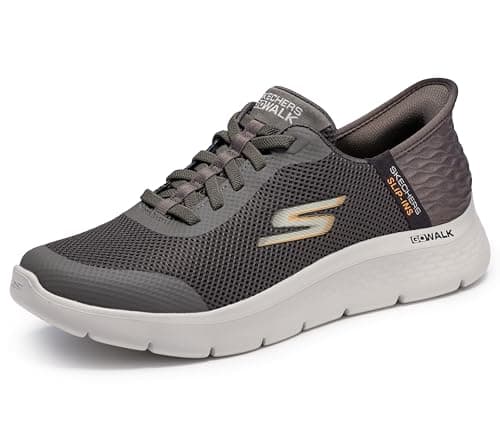
Product image from the Amazon listing.
Our verdict
Skechers Slip-ins deliver the hands-free convenience of Kizik at a fraction of the price — the Heel Pillow really works, comfort is Skechers-standard reliable, and the style range covers most daily needs. If bending to put on shoes is a hassle, this is the smart-money answer.
The short version
Skechers' Slip-ins are the surprise hit of the last few years — sneakers you literally step into without bending down or using a shoe horn. The trick is a patented Heel Pillow: a firm cushioned insert in the heel collar that keeps the shoe's opening structurally upright, so pushing your foot in past it snaps the collar back around your ankle. Once on, it feels like a normal Skechers sneaker — same air-cooled memory foam, same lightweight upper, same all-day comfort. The customer base skews older adults, pregnant women, people with back or mobility issues, and busy parents — anyone who bends to put on shoes 6-10 times a day. But once you've used them, the convenience is hard to give up. Available in dozens of styles from athletic to walking to work sneakers.
Pros & cons
Pros
- Truly hands-free — step in without bending
- Patented Heel Pillow holds shape and secures fit
- Air-cooled memory foam insole for all-day comfort
- Wide range of styles: athletic, walking, slip-on
- Machine washable for most models
- Sizes include wide widths
Cons
- Not for high-impact running or serious athletics
- Some styles run slightly narrow — check size chart
- Heel Pillow eventually softens after ~1-2 years of daily wear
Why people love it
Patented Heel Pillow
A firm cushioned insert built into the heel collar keeps the shoe's opening rigid and upright even when nothing is inside it — you can push your foot in against the pillow and it snaps back around your ankle.
Structured collar with soft interior
The outside of the collar is stiff enough to hold shape; the inside is soft-lined so the heel of your foot doesn't feel abrasion during entry or wear.
Air-cooled memory foam insole
Once on, the memory foam insole with air-cooling ventilation delivers Skechers' standard all-day comfort — the same feel as their non-slip-in models.
Who it's for
- Older adults with mobility or balance concerns
- Pregnant women who can't bend to tie shoes
- Busy parents in and out of the house all day
- Anyone with back pain triggered by bending
Why hands-free shoes became a $500M category (and who they're actually for)
The hands-free shoe category exploded from a niche accessibility product to a mainstream $500M+ segment in just a few years, driven by simple demographics. The aging Baby Boomer population has more mobility issues, back pain and balance concerns — bending to put on shoes 6-10 times per day is genuinely difficult for tens of millions of Americans. Pregnancy makes bending impossible in the third trimester. Post-surgical recovery (knee replacement, back surgery, hip surgery) requires months of not-bending. Chronic conditions like arthritis, sciatica, and neuropathy make shoe entry painful. Kizik pioneered the market for premium hands-free at $90-150; Skechers scaled it into the mainstream at $60-95, reaching customer segments who couldn't or wouldn't spend Kizik money.
But the surprise growth driver was busy able-bodied buyers — parents chasing kids in and out of the house, people who take shoes off at doorways in Asian and West-Coast households, folks with morning routines that include shoes 5-6 times before work. The 30 seconds saved per shoe-entry adds up when you do it 10-20 times per day. Once you've used slip-ins, going back to bending down and adjusting a shoe collar feels genuinely inconvenient. This is why the category has expanded far beyond the original accessibility niche — the convenience is real for anyone, not just those who need it.
Skechers Slip-ins vs Kizik: is the premium worth double the price?
Kizik started the hands-free shoe category and their patented HandsFree Labs technology uses a spring-loaded heel that mechanically flexes open when you step in. Skechers Slip-ins came later with a simpler Heel Pillow mechanism — a rigid foam collar that stays upright but doesn't actively spring open. In practical use, both work — you step in and the shoe stays on. Kizik's spring-loaded system has a slightly more premium feel (the collar 'welcomes' your foot rather than being pushed past), works with tighter fits, and holds shape longer over years of use. Skechers' Heel Pillow softens sooner but works reliably for 1-2+ years of daily wear.
The price difference is the trade-off. Kizik at $90-150 buys premium engineering, more polished aesthetics, and longer-lasting hands-free function. Skechers Slip-ins at $60-95 buy the same core convenience at 40-60% the price, in a much wider variety of Skechers styles (athletic, walking, slip-on casual, work shoes). For most buyers, Skechers is the smart-money pick — you get the hands-free benefit for less, and when the Heel Pillow softens after 1-2 years, replacing them at $70 is fine. If you specifically want the best-engineered hands-free experience and don't mind paying, Kizik. For everyone else, Skechers Slip-ins.
Getting Skechers Slip-ins right: sizing, styles, and use-case matching
Sizing is the specific thing to get right — Slip-ins only work when they fit securely. Order true to your normal shoe size; don't size up for 'extra room' because loose Slip-ins can slip off. If you have wide feet, order the wide-width (W) version rather than sizing up. Most people are their standard size in Slip-ins. Try them on within the first 30 days and return if slippage occurs (Amazon and Skechers.com both accept returns). Different styles have different fits: the Go Walk line is roomier and more casual; Arch Fit line has more structured arch support; Ultra Flex is the lightest and most flexible.
Match style to use case: Slip-in walking shoes for daily errands and casual wear (the Go Walk 6 Slip-in is the entry-level default). Slip-in Arch Fit for people with pronation, plantar fasciitis or arch pain. Slip-in Ultra Flex for lightest weight and most cushion. Skechers Work Slip-ins have slip-resistant outsoles for restaurant, healthcare and industrial jobs. Skechers even makes hikers and lightweight athletic Slip-ins now. For most buyers, start with a Go Walk or Arch Fit Slip-in in your daily activity type; add specialty styles as needed. Don't buy just because you like the concept — match style to your actual use, and the shoe delivers.
See Skechers Slip-ins on Amazon
Check the latest price, photos and buyer reviews on Amazon.
Check Price on Amazon →Sold and shipped by AmazonFrequently asked questions
Do Skechers Slip-ins actually work as advertised? Or do they slip off during walking?
They genuinely work as advertised, once you have the right size. The Heel Pillow keeps the shoe on your foot as securely as a standard laced sneaker — it doesn't slip off during walking, jogging or normal daily activities. The trick is getting the size right: if the shoe is too big, the Heel Pillow won't grip your heel properly and can allow slippage. Order true to size or slightly snug — reviews consistently note that going up a half-size to accommodate wide feet doesn't work; instead order the specifically wide-width version. Skechers offers wide widths in most Slip-ins styles.
Are Skechers Slip-ins comfortable for all-day standing and walking?
For most people, yes — they're built on Skechers' proven comfort platforms (Arch Fit, Ultra Flex, Go Walk) with the added Slip-in feature. For 8-10 hour retail or nursing shifts where you're on your feet constantly, they're genuinely comfortable and users regularly report standing all-day fatigue relief compared to less-cushioned alternatives. For 12+ hour extreme use (long-haul flights, all-day theme parks), any comfort shoe will feel less amazing by hour 12 but Slip-ins hold up as well as any comparable Skechers. For serious hiking (uneven terrain), running (impact sports), or standing on hard concrete for 14+ hours daily, look at Hoka Bondi or Brooks Ghost — Slip-ins aren't designed for those extremes.
Skechers Slip-ins vs Kizik vs Hey Dude vs regular slip-on sneakers: what's the difference?
Kizik and Skechers Slip-ins are the two brands specifically engineered for hands-free entry. Kizik pioneered the category and their patented HandsFree Labs technology uses a spring-loaded heel that flexes open when you step in — slightly more premium engineering, more expensive ($90-150). Skechers Slip-ins came later with a similar hands-free experience via the simpler Heel Pillow mechanism — significantly cheaper ($60-95), wider style range, and Skechers' massive size and width availability. Hey Dude shoes are also technically 'slip-on' but require you to open the elastic collar with your hand or a shoe horn — not truly hands-free. Regular slip-on sneakers (Vans, Toms, Converse slip-ons) similarly require some hand assistance. If you want true hands-free entry, Kizik or Skechers are the two options — Skechers is the value pick, Kizik is the premium pick.
How long does the Heel Pillow last before it softens?
Typically 12-24 months of daily wear. The Heel Pillow is a foam-and-fabric structure that gradually compresses over time — this is normal wear, not a defect. Symptoms of eventual failure: the shoe collar starts folding inward when you set the shoe down, hands-free entry becomes harder or requires a finger-hook to get the collar upright. When this happens, the shoe still works as a slip-on with light hand assistance (basically a normal slip-on shoe at that point). For occasional wear (weekends only), the Heel Pillow can last 3-5 years. For daily wear, expect 1-2 year usable life on the hands-free feature specifically; the sole and upper typically last 2-3 years total. This is Skechers-standard longevity for a $70-95 shoe.
Are Skechers Slip-ins good for wide feet or bunions?
Yes with the right width. Skechers offers wide widths (W) and extra-wide widths (XW/2E) in most Slip-ins styles — check the specific model's size options. The Heel Pillow works with any width. For bunions specifically, the roomy toe box on most Slip-ins athletic and walking models accommodates prominent bunions without pressure; avoid the sportier tapered-toe styles. Skechers' Arch Fit line has additional orthotic-style arch support for people with pronation or arch issues. If you have severe bunions or specific foot deformities, orthopedic-specific brands like Vionic or Orthofeet may be a better fit, but Skechers Slip-ins Wide W is a genuinely good option for most wide-foot buyers at a fraction of orthopedic-brand prices.
Can I wash Skechers Slip-ins in a washing machine?
Most Slip-ins styles are machine washable — check the specific style's care label. General approach: remove insoles if they come out, place shoes in a mesh laundry bag to protect them and the washer, wash cold on gentle cycle with mild detergent (no bleach), and air dry (never dryer — heat damages foams and adhesives). Rate of washing: once every 2-3 months for regular wear, more often for kids' shoes or athletic wear. Air drying takes 24-48 hours; putting them by a fan speeds this up. Machine washing doesn't harm the Heel Pillow's function directly, but repeated aggressive washing (weekly, hot water) will accelerate its softening over time. Occasional gentle washing keeps them fresh without noticeably reducing lifespan.
As an Amazon Associate, TopCrate earns from qualifying purchases at no extra cost to you. Product image, price, availability and ratings are shown on Amazon and are subject to change.
More reviews you might like
SKINCARE
Celimax Vita-A Retinal Shot Review: Best K-Beauty Retinal for Sensitive Skin?
SPORTS
Body Glide Original Review: The Anti-Chafe Balm That Actually Works
SKINCARE
Foreo Luna Mini 3 Review: Is the Silicone Cleansing Brush Worth It?
SKINCARE