HANDS-ON REVIEW
Prepared Hero Dual Threat Detector Review: Is It Worth It?
A plug-in monitor that watches for two invisible household dangers at once — carbon monoxide and natural/propane gas — with a clear digital readout.
Quick answer: Yes, with one firm caveat — the Dual Threat Detector is a smart, cheap way to watch the two invisible dangers most homes under-cover, and its live readout beats a blind alarm. Just treat it as a supplement to (never a replacement for) your code-required smoke and CO alarms, place it where gas and CO originate, and mind the sensor life. For any home with fuel-burning appliances, $70 for an informed eye on threats you can't see or smell is easy insurance.
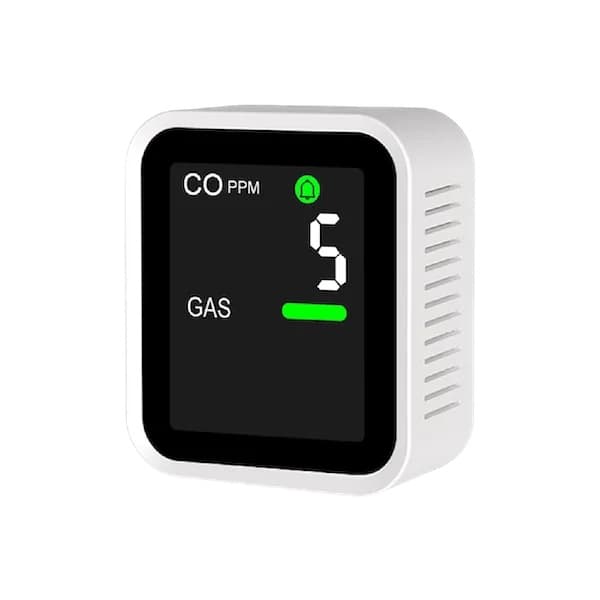
One plug-in unit watches for both carbon monoxide and gas leaks, with a live readout. Photo: Prepared Hero
Our verdict
Yes, with one firm caveat — the Dual Threat Detector is a smart, cheap way to watch the two invisible dangers most homes under-cover, and its live readout beats a blind alarm. Just treat it as a supplement to (never a replacement for) your code-required smoke and CO alarms, place it where gas and CO originate, and mind the sensor life. For any home with fuel-burning appliances, $70 for an informed eye on threats you can't see or smell is easy insurance.
The short version
The two most dangerous things in a home are the ones you can't see or smell in time: carbon monoxide, the silent killer from furnaces and cars, and a natural-gas or propane leak from a stove, water heater or line. Most homes have, at best, a basic CO alarm and nothing watching for gas. Prepared Hero's Dual Threat Detector covers both in one plug-in unit — it continuously monitors the air for carbon monoxide and combustible gas, shows a live digital readout of what it's sensing, and sounds a loud alarm when either crosses a dangerous level. It plugs into any outlet in minutes, and it's the cheap, obvious upgrade for the kitchen, near the furnace, or by a fuel-burning appliance — the spots where these invisible threats actually originate.
Pros & cons
Pros
- Detects two invisible dangers — CO and combustible gas
- Live digital readout, not just a blind alarm
- Plug-in install in minutes — no wiring or tools
- Loud alarm when either threat hits a dangerous level
- One device covers what usually takes two
- From Prepared Hero, the home-safety brand
Cons
- Supplements — doesn't replace — required smoke/CO alarms per code
- Needs an outlet near the risk area
- Sensors have a service life; replace as directed
How it works
Plug it in
Put it in an outlet near the risk — the kitchen, the furnace/water-heater area, or a fuel-burning appliance. No wiring, no tools.
It watches the air
The unit continuously samples for carbon monoxide and combustible gas, showing a live digital reading of current levels.
It alarms on danger
If CO or gas climbs to a dangerous concentration, a loud alarm sounds so you can ventilate, leave, and call for help.
Who it's for
- Homes with gas stoves, furnaces or water heaters
- Propane users — cabins, RVs, grills, space heaters
- Anyone whose only protection is an old basic CO alarm
- Renters wanting plug-in safety without wiring
Two invisible threats, and why most homes only cover one (badly)
Carbon monoxide and combustible-gas leaks share a terrifying trait: both can reach dangerous levels before a person notices. CO is completely odorless and colorless — it's the 'silent killer' from incomplete combustion in furnaces, water heaters, generators and cars, and it causes hundreds of accidental deaths a year. Natural gas and propane are given a rotten-egg odorant, but a slow leak, a sleeping household, or a diminished sense of smell can let it build unnoticed to explosive concentrations. Most homes have a single basic CO alarm and nothing at all watching for a gas leak.
A dual-threat monitor closes both gaps in one device, and the live digital readout adds something a basic alarm lacks: information. Instead of only screaming at the last moment, it shows the actual concentration, so you can catch a rising CO level or a minor gas presence early — a nagging low-level reading is itself a signal that an appliance needs servicing. Place it where these threats originate: near fuel-burning appliances, which is the same readiness logic behind a pest-and-gas-aware home and the rest of the safety layer.
Where it fits — and what it does NOT replace
This is the critical caveat and we'll be blunt: a plug-in dual detector supplements your home's safety system, it does not replace code-required smoke and CO alarms. Building codes exist for a reason — you should still have working smoke alarms and CO alarms installed and maintained per your local requirements (and your landlord's or municipality's rules). Think of the Dual Threat Detector as an added layer of protection and information at the specific spots where CO and gas are generated, not as a substitute for the alarms that protect the bedrooms and hallways.
Used that way, it's a genuinely smart addition: the kitchen with a gas range, the utility closet with the furnace and water heater, the cabin or RV running propane, the garage where a car or generator lives. Its sensors, like all gas sensors, have a finite service life and should be replaced as the manufacturer directs — an expired sensor is a false sense of security. Pair it with the brand's fire blanket and fire spray and the invisible and visible fire-safety threats are both covered.
Is the Dual Threat Detector worth $69.99?
Price the alternative: a decent standalone CO alarm is $25-40 and a separate combustible-gas detector is another $30-50, so a combined unit at $69.99 roughly matches buying both — with one outlet, one device, and a readout neither basic alarm gives you. Against the downside it guards against, the math isn't really a math problem: CO poisoning and gas explosions are low-probability, catastrophic events, exactly the profile where cheap insurance is rational.
Who should buy: anyone with gas or propane appliances, an attached garage, or fuel-burning heat — which is most homes. Who should be careful: don't let it lull you into skipping the code-required alarms it supplements. Buy it, plug it in where the danger starts, keep your smoke/CO alarms current alongside it, and note the sensor-replacement date. For seventy dollars, having an informed eye on the two threats you can't see or smell in time is among the easiest safety upgrades a home can make.
Try Hero Detector for Yourself
Available now for $69.99.
Check Availability & Price →Ships to your doorFrequently asked questions
What does it detect?
Two invisible household dangers: carbon monoxide (the odorless 'silent killer' from furnaces, water heaters, generators and cars) and combustible gas (natural gas or propane from stoves, lines and appliances). A live digital readout shows current levels, and a loud alarm sounds at dangerous concentrations.
Does it replace my smoke and CO alarms?
No — and this matters. It supplements your home's safety system; it does not replace code-required smoke and CO alarms. Keep those installed and maintained per local requirements, and use this as an added layer at the spots where CO and gas originate.
Where should I put it?
Near where the threats are generated: a kitchen with a gas range, the furnace/water-heater area, a garage, or a cabin/RV running propane. It needs an outlet near the risk area since it's a plug-in unit.
How is it better than a basic CO alarm?
It covers gas leaks too — most homes have no gas detector at all — and its digital readout shows actual concentrations, so you can catch a rising level early instead of only getting the last-second scream. A persistent low reading is itself a cue to service an appliance.
Do the sensors wear out?
Yes — all gas sensors have a finite service life. Replace the unit as the manufacturer directs; an expired sensor gives a false sense of security. Test it periodically per the instructions.
Is it hard to install?
No — it plugs into any standard outlet in minutes, no wiring or tools. That's a big part of the appeal for renters and anyone who wants added protection without an electrician.
When you buy through links on this page, TopCrate may earn an affiliate commission at no extra cost to you. This device supplements but does not replace code-required smoke and carbon monoxide alarms; follow local safety codes and the manufacturer's placement and replacement guidance. Prices accurate as of publish time.