HEAD TO HEAD
invisaWear vs Birdie: Silent Panic Button or 130 dB Alarm? Price, Plans and Who Each Suits (2026)
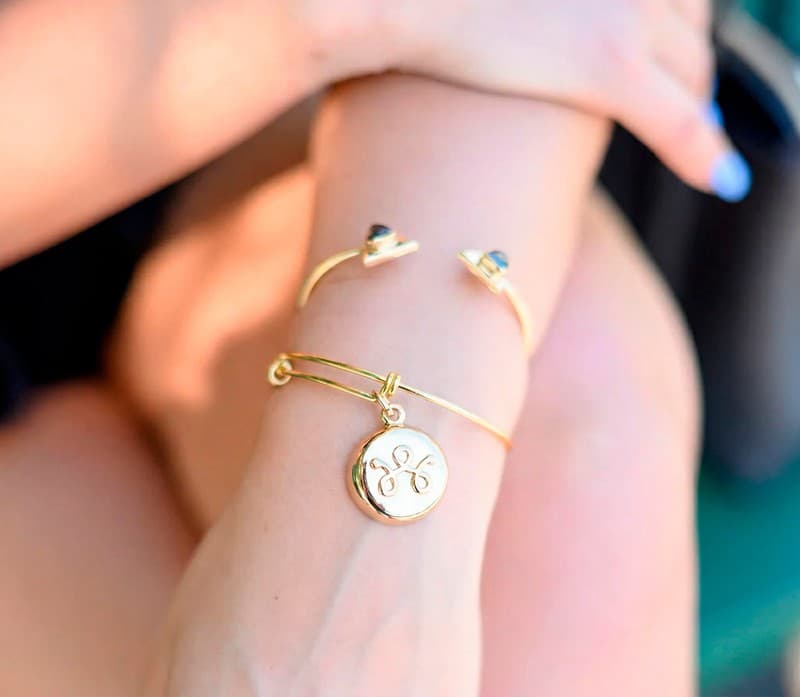
invisaWear hides a panic button in jewelry that silently sends your location to your contacts and ADT agents; She's Birdie is a $34.95 keychain alarm with a 130 dB siren and strobe. We compare how each works, what you pay up front and every month, the return terms, and say plainly where Birdie is the better buy.
invisaWear vs Birdie comes down to one choice: do you want help to come to you silently, or do you want to make noise right now? invisaWear is safety jewelry with a hidden button that sends your GPS location to your trusted contacts and can call 911, through a paid Safety Plan. She's Birdie makes personal safety alarms like the Birdie 3.0, a $34.95 keychain that blasts a 130 dB siren and a strobe light when you pull it, with no app and no subscription.
They are not rivals in the usual sense, and many people carry both. Below we compare them using each brand's own pages: how each one works, what each costs up front and every month, the return terms and who each suits. For the full device breakdown, see our invisaWear review, and for invisaWear's subscription and refund fine print, read is invisaWear legit.
invisaWear vs Birdie at a glance
invisaWear: a necklace, bracelet or keychain charm with a hidden Bluetooth button. A double-click makes your phone send your GPS location to your trusted contacts (up to 5, per invisaWear's homepage), with an optional 9-1-1 call and app features run with ADT agents. It is silent. It needs your phone nearby and an active Safety Plan. The battery lasts about 3 years and never needs charging.
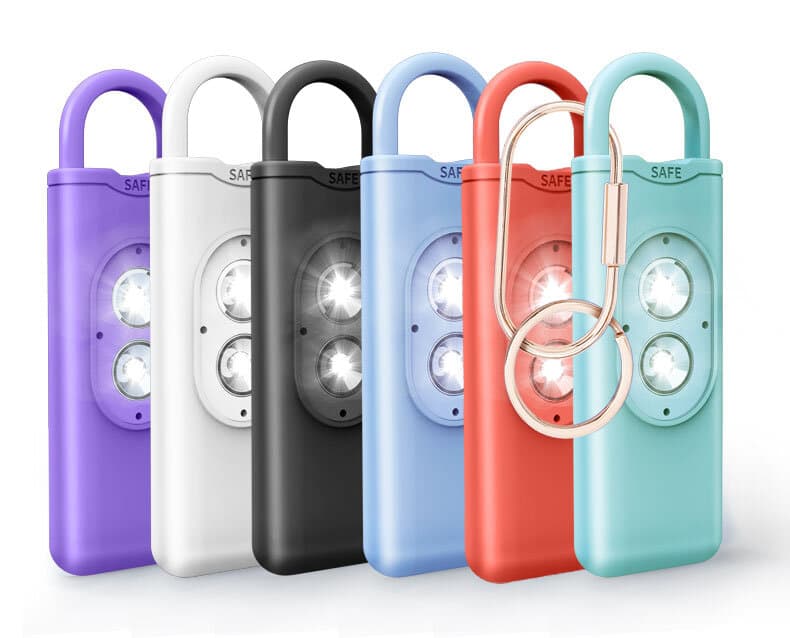
Birdie 3.0: a keychain alarm from She's Birdie. Pull it and it sounds a 130 dB siren with a flashing strobe light. The current version adds a brass keychain, a flashlight, an on/off switch and USB-C charging with a charge indicator light. It is loud. It works on its own without a phone, an app or a plan, but it does not tell anyone where you are.
How each one works in a real emergency
invisaWear is built for situations where drawing attention could make things worse, or where you cannot reach your phone. The alert goes out quietly, so nobody nearby knows you pressed it, and the people you chose (or ADT agents, through the app) get your location. The trade-off is time: help is on its way, but it is not there yet.
Birdie is built for the opposite moment. A 130 dB siren and strobe are meant to startle, draw attention from anyone nearby and give you a chance to get away. Because it needs nothing else, it works when your phone is dead, out of signal or left behind. But if no one is close enough to hear it, nobody is coming.
That is why the honest answer to invisaWear vs Birdie is often both: the alarm for the first seconds, the silent alert so someone knows where you are.
Price: invisaWear vs Birdie up front and every month
Birdie is far cheaper. On She's Birdie's store, the Birdie 3.0, the clip-on Birdie Disc and the original Personal Safety Alarm 3.0 were each $34.95 when we checked, and the Birdie Box door alarm was $39.95. Bundles such as the College Safety Bundle ran $104.85 to $109.85. The site offered free shipping on 2 or more items. There is nothing to pay after that.
invisaWear costs more up front and keeps costing. The GiddyUp offer page our link opens sold the Star Burst Charm Necklace, Star Burst Bracelet and Pendant Keychain for $99.99 each, with free US shipping and a 30-day Safety Plan included. invisaWear's own store sold the Safety Charm for $49.00 and the Pendant Keychain for $64.00, with the Safety Plan at $14.99 a month and no commitment, or on 6-month, 1-year or 2-year terms.
Over a year on the monthly plan, invisaWear runs roughly $49 to $100 for the hardware plus about $165 to $180 in plan fees, depending on where you buy. Birdie stays at $34.95. Where Birdie wins: if budget is the deciding factor, it is not close.
The subscription question
This is the biggest practical difference. invisaWear's FAQ says a Safety Plan is required to alert contacts and police, and that without one the charm is only jewelry. Plans start on the purchase date, auto-renew, and are non-refundable; committed plans can be cancelled only after their term, with a possible charge of 75% of the remaining monthly fees for ending early. Some Trustpilot reviewers said the plan was not clear to them before purchase, so go in knowing it.
Birdie has no plan at all. The trade-off is that you also get nothing that depends on a service: no contact alerts, no location sharing and no live agents. You are paying invisaWear's monthly fee for the people and infrastructure behind the button.
Design, wearability and upkeep
invisaWear's selling point is that it does not look like a safety device. The charms are brass plated with rhodium (silver) or 14k gold and are nickel-free, and the official store says the Safety Charm can clip to a necklace, bracelet or keychain, or hide in a fitness band or scrunchie. The battery lasts about 3 years with no charging. invisaWear describes its devices as sweat- and weather-resistant, not waterproof.
Birdie looks like a colorful keychain, and it comes in many colors (the Birdie 3.0 listed 20 variants when we checked). It is not hidden jewelry, but it is not trying to be: you want to grab it fast. Birdie 3.0 is rechargeable over USB-C, so you need to keep it charged; the charge indicator light helps. The Birdie Disc is described as water resistant and hands-free, clipping to clothing, a leash or a bag.
Returns and guarantees compared
invisaWear advertises a 30-day money-back guarantee. Its refund policy says items must be unused and in original packaging within 30 days of delivery, with a $10 restocking fee per item, return shipping paid by you and original shipping not refunded. Subscriptions are not refunded, and pepper-spray keychains and engraved necklaces are not returnable. The jewelry has a one-year limited warranty that excludes water and accidental damage.
She's Birdie also gives 30 days for unused items in their original condition with proof of purchase. You pay return shipping, original shipping is not refunded, and its policy says sale items cannot be refunded; defective or damaged items can be exchanged. Neither brand is generous here, so test either one as soon as it arrives.
Who should buy invisaWear, and who should buy Birdie
Choose invisaWear if the wearer walks, commutes or works alone, keeps their phone with them, and wants someone to know where they are without making a scene: a college student walking campus at night, a nurse on a late shift, a realtor meeting strangers, someone using rideshares. It also suits people who would never carry an obvious alarm but will wear a necklace every day.
Choose Birdie if you want the simplest, cheapest tool that works on its own, without a phone or a monthly fee: runners, dog walkers, travelers, teens, or anyone who wants to scare off a threat on the spot. Its door-alarm Birdie Box is also a good pick for hotels and dorms.
For drivers, an in-car tool covers what neither can; see our Kelvin 8 review. And before you buy invisaWear, read the plan and return terms in is invisaWear legit.
Our verdict on invisaWear vs Birdie
Birdie wins on price, simplicity and independence: $34.95, no app, no plan, and it works with a dead phone. invisaWear wins on discretion and reach: it silently tells your contacts, and ADT agents through the app, where you are, from a charm nobody will recognize as a safety device. The cost is a monthly Safety Plan and dependence on your phone.
If you can only buy one, think about the wearer's real routine. If help nearby is likely, Birdie's noise is enough. If they are often alone and someone needs to know where they are, invisaWear is the one that does that. Disclosure: TopCrate earns a commission only on invisaWear through our link; we are not paid by She's Birdie. Read our full invisaWear review for the styles, app features and our full verdict.
Read our full invisaWear review
The hidden panic button, ADT agent features, styles and who invisaWear suits.
Read our full invisaWear review →Frequently asked questions
Is invisaWear better than Birdie?
They do different jobs. invisaWear silently sends your location to your contacts and can call 911 through a paid Safety Plan; Birdie sounds a 130 dB siren and strobe with no app or plan. invisaWear is better for getting help to you, Birdie for drawing attention on the spot and for price.
Does Birdie alert my contacts like invisaWear?
No. The Birdie 3.0 is a standalone alarm: pulling it sounds a 130 dB siren and a strobe light. It does not connect to your phone or share your location.
Do I need a subscription for invisaWear or Birdie?
invisaWear needs a Safety Plan to send alerts; the official store listed it at $14.99 a month, and the offer page includes the first 30 days. Birdie needs no subscription.
How much do invisaWear and Birdie cost?
When we checked, Birdie 3.0 was $34.95. invisaWear was $99.99 per piece on the GiddyUp offer page with a 30-day plan included, or $49.00 to $64.00 on invisawear.com plus the monthly plan.
Does invisaWear work without a phone?
No. invisaWear's charm sends the alert through your paired phone over Bluetooth, so your phone must be nearby and on. Birdie works without any phone.
Can I use invisaWear and Birdie together?
Yes, and many people do: a Birdie alarm on your keys to draw attention right away, and an invisaWear charm to silently tell your contacts where you are.
TopCrate is reader-supported. When you buy through links on our site we may earn an affiliate commission, at no extra cost to you. Content is for general information and isn't a substitute for professional advice.