BEAUTY
Do Heated Eyelash Curlers Actually Work? What Warm Ceramic Does That a Metal Clamp Can't
A metal curler bends the lash in a moment; a heated wand reshapes the keratin so the curl stays. The question isn't whether they work — it's whether the trade-offs (heat, technique, learning curve) are worth it for your lashes.
You clamp the metal curler, hold your breath so you don't blink, and give it three squeezes. You let go and look in the mirror: the lashes are lifted, momentarily. Then, over the next twenty minutes, gravity and eyelash biology do their thing and they slowly drop back to something between 'curled' and 'nothing happened.' If your lashes are stubborn, straight, or have been resisting a metal curler your whole life, this article is about the tool that solves the specific 'curl won't hold' problem — and the ways it can go wrong if you use it like a hair straightener.
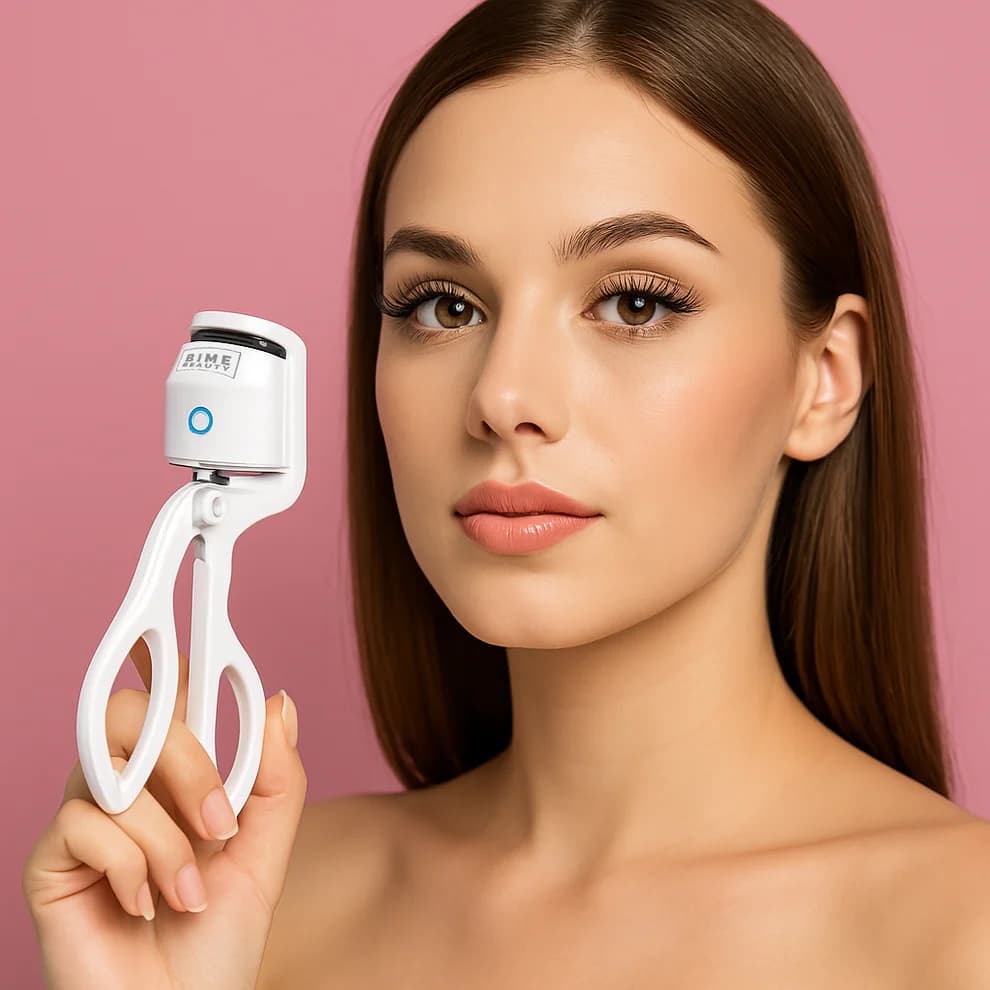
A heated eyelash curler is a small wand with a warm silicone or ceramic pad that you press your lashes against for 5–10 seconds per section. Instead of crimping the lash between two hard surfaces the way a metal curler does, it uses low heat to soften the keratin structure of the lash slightly and then let it cool into the new shape — the same physical principle behind a curling iron for hair, on a much smaller scale and at a much lower temperature. Whether that works better than a metal clamp depends on your lashes, your technique, and whether you follow the safety envelope the tool is designed to operate in.
What a heated eyelash curler actually does (the keratin story)
Eyelashes are made of keratin — the same protein as hair — held in a mostly straight shape by the hydrogen bonds between the protein's coiled strands. A metal curler physically bends the lash and relies on those bonds to hold the new position, which is why the curl on a stubborn lash falls out within an hour: the bonds snap back to their original arrangement the moment the mechanical pressure stops. Heat changes the equation. At around 100–120°F — below the temperature that damages keratin — the hydrogen bonds temporarily loosen enough that the lash can be shaped into a new position, and as the lash cools, the bonds re-form and hold the new shape until the next wash. This is exactly how a curling iron works on scalp hair, and the physics scales down cleanly to a lash.
The consequence: heated curlers hold a curl for hours instead of minutes on the same lashes, and they lift stubbornly straight lashes that a metal curler barely touches. The trade-off is that the tool now has a temperature, contact time, and technique — variables a metal curler doesn't have — and getting any of them wrong produces a different set of problems (dry lashes, brittle ends, or an accidental burn) that a metal curler simply cannot cause. Which is why 'do heated eyelash curlers work' has a nuanced answer: yes, and the yes comes with a learning curve worth about a week of practice.
Heated vs. metal-clamp curlers, one column at a time
Curl longevity: metal clamps produce a lift that lasts 1–3 hours on most lashes; a heated curler on the same lashes typically holds 8+ hours, often through a full workday. Effectiveness on straight/stubborn lashes: metal clamps often fail entirely on very straight lashes (Asian and Native American genetic lash patterns skew straighter than average, and metal curlers were designed around a European lash curve that was already present); heated wands work on straight lashes because the shape is being reset, not just bent. Comfort: metal curlers pinch and require holding a breath so you don't blink into the clamp; heated wands rest against the lash from below with no clamping motion and are dramatically easier to use without stress. Technique difficulty: metal is simpler (clamp, count, release); heated has a small learning curve (finding the right pad position, timing per section, working from root to tip).
The trade-off column is real: heated curlers cost more ($20–60 vs. $5–15 for a decent metal one), they take longer per eye (10–20 seconds per section vs. one clamp for the whole lash line), the batteries need charging, and they add a low-grade heat exposure that stacks with the daily thermal load of blow-drying, curling irons, hot showers, and eye makeup removers if you're heavy-handed with them. Whether the extended curl life is worth the price and time investment depends on how important that curl is to your daily look. For someone who wears mascara most days and wants a defined lift that doesn't collapse by lunch, the heated version is a clean upgrade; for someone who curls occasionally and gets adequate results from a metal clamp, the metal version is fine.
Do they damage lashes? The honest breakdown
Used within their intended envelope, no — the temperatures are below the threshold where keratin breaks down (which begins around 250°F for hair). Modern heated eyelash curler designs run at 100–130°F, well within the safe zone, and better tools have temperature regulation and an insulated pad specifically to prevent overshoot. Used badly, yes — the two failure modes are prolonged contact (holding the wand against one section for 30+ seconds, which dries the lash even at moderate temperatures) and repeated daily use without conditioning (heat + no rehydration = brittle lashes over months, the same pattern that shows up on people who use hot styling tools on their hair daily without moisture treatments). The Bime and similar consumer-market heated curlers include auto shut-off timers specifically to prevent the first problem.
The most common cause of actual damage isn't the tool — it's mascara. Heavy waterproof mascara plus a heated curler afterwards effectively cakes the mascara onto the lash under heat, which makes it brittle, and then aggressive removal (rubbing with makeup wipes) breaks the lash off at the base. The safer order is curl first, mascara second, and use an oil-based makeup remover (not friction) at the end of the day. If lashes are already thin or fragile from other sources (extensions, lash serums that overstimulated growth then crashed, or chronic waterproof mascara), starting a heated-curler routine will accelerate the loss visibly within weeks; conditioning the lashes with a nightly castor-oil or peptide lash serum ahead of time is the standard prep.
How to use one so it actually works (the technique that separates good from mediocre results)
Start clean and dry — no mascara, no oil, no residue on the lashes, and the lashes fully dry from your morning cleanser. Turn the wand on, wait for the ready indicator (30–60 seconds on most models), and confirm the pad feels warm on the back of your hand but not hot. With your eye open, position the pad against the underside of the lashes at the base, closest to the eyelid, and press the lashes upward against the pad for 5–8 seconds. Move outward along the lash line in two or three sections, doing 5–8 seconds each. Don't try to do the whole eye in one push — the pad is small on purpose. Repeat on the other eye, then let the lashes cool for 30 seconds before applying mascara.
Things that go wrong the first few uses: pressing the pad against the tips of the lashes instead of the base (produces a bend at the wrong place, no lift at the root), running the pad across the lashes in a sweeping motion instead of pressing and holding (doesn't give the keratin time to reshape), or using the tool right after washing when the lashes are still wet (water flashes to steam under the pad, which is uncomfortable and produces a weak curl). Watching two YouTube demos before your first attempt saves about a week of self-taught trial and error. Once the technique clicks, the whole process takes under a minute per eye and produces the 'my lashes stayed curled all day' result the reviews promise.
Who a heated curler is (and isn't) a good fit for
Good fit: naturally straight or stubborn lashes that don't hold a curl from a metal clamp; contact-lens wearers who dislike the pinch of a metal curler near the eye; anyone doing a heavy eye look who wants the lift to last past lunch; people whose metal curler snaps eyelashes off (a real, common issue with lower-quality metal curlers where the rubber pad has hardened over time). Also a good fit for anyone with sensitive eyes who tears up when a metal clamp comes near — the heated version has no clamping motion at all and is a genuinely calmer tool to use. The learning curve is real but short: most people are producing better curls than their metal tool gave them within a week.
Bad fit: lashes that are already thin, damaged, or recovering from extensions — adding thermal load to an already-fragile lash bed will accelerate the loss visibly. People with lash extensions applied — the heat can weaken the adhesive and cause premature fallout. Anyone who curls occasionally and gets acceptable results from a metal curler; the incremental improvement doesn't justify the price and effort. And a genuine warning: cheap unbranded heated curlers from marketplace sellers without temperature regulation can and do overheat. If you're going to use one, spend on a mainstream brand with published temperature specs and an auto shut-off — the Bime Beauty Heated Eyelash Curler and its close competitors sit in the $20–40 range where the safety engineering is real, not aspirational.
See the Bime review
A rechargeable heated eyelash curler with temperature regulation and an insulated silicone pad — the mainstream consumer version of the tool this article walks through. Designed for the 100–130°F safe range with an auto shut-off, and works in under a minute per eye once you get the technique down.
See the Bime reviewFrequently asked questions
Do heated eyelash curlers actually work?
Yes, and better than metal clamps on stubborn or naturally straight lashes. The mechanism is different: a metal curler physically bends the lash and relies on hydrogen bonds in the keratin to hold the new shape, which they typically don't for more than a few hours. A heated curler uses low, controlled warmth (around 100–130°F) to temporarily loosen those bonds so the lash can be reshaped, then lets it cool into the new position — the same physical principle as a curling iron for hair. The curl on the same lashes generally lasts 8+ hours from a heated eyelash curler versus 1–3 hours from a metal clamp, and heated wands actually lift straight lashes that metal curlers barely touch.
Are heated eyelash curlers safe for your eyes and lashes?
When used correctly, yes. Modern consumer models like the Bime run at temperatures well below the threshold where keratin breaks down (which begins around 250°F on hair) and typically include temperature regulation and auto shut-off features. The two ways to get in trouble: holding the pad against one section for too long (30+ seconds even at moderate temperatures will dry the lash and eventually make it brittle), and buying an unregulated marketplace-brand tool that lacks temperature control. Stick to mainstream models with published temperature specs and follow the 5–8-second-per-section timing, and the safety envelope is genuinely large. If your lashes are already thin, damaged, or you have eyelash extensions, skip heated curlers — added thermal load makes fragile lashes fail faster and can weaken extension adhesive.
How long does a curl from a heated eyelash curler last?
Typically 8–12 hours on most lash types — a full workday, often through evening activities. Compare to 1–3 hours from a traditional metal curler on the same lashes, and the difference is why people who switch tend not to switch back. The curl holds because the keratin bonds inside the lash have been reset into the new shape, not just physically bent and released. Waterproof mascara extends the curl further (the mascara itself acts as a light structural layer); heavy humidity or getting the lashes wet shortens it. Reapplying with the heated wand mid-day is possible but usually not needed.
Heated eyelash curler vs. traditional curler — which one should I pick?
Start with your lash type. Naturally curly or moderately curly lashes: a metal curler is fine and dramatically cheaper. Naturally straight or stubborn lashes, or lashes that historically 'won't hold a curl' from a metal tool: a heated eyelash curler is the direct upgrade and produces results a metal clamp cannot. Contact-lens wearers, people with sensitive eyes, or anyone who's ever pinched an eyelid with the metal clamp: the heated version has no clamping action and is dramatically more comfortable. Cost is the main trade-off ($20–40 vs. $5–15), plus a one-week learning curve on the technique, and the batteries need to be charged.
Can I use a heated eyelash curler over mascara?
Better to curl first, then apply mascara. Curling over mascara — especially waterproof mascara — cakes the product onto the lash under heat, which makes the lash brittle over time and produces clumping on the pad that's a pain to clean. The right order: clean, dry lashes, then the heated curl (5–8 seconds per section, working from root to tip in 2–3 passes), then mascara. If you want to touch up in the middle of the day, remove existing mascara first with an oil-based remover, then re-curl. Curling on top of dried mascara looks fine in the moment but gradually damages the lash bed if you do it daily.
How long does it take to see if a heated eyelash curler is going to work for me?
The tool itself works from day one — you'll see a lifted curl on the very first use. What takes a week or so is your technique: getting the pad positioned at the base of the lash rather than the middle, timing each section correctly (5–8 seconds, not a quick swipe), and remembering to work in 2–3 small sections per eye rather than trying to do the whole eye at once. Watch two YouTube demos before your first attempt — it saves a lot of self-taught trial and error. By day 7 the routine is under a minute per eye and produces the 'stayed curled all day' result reviews describe. If you're still not getting a curl that lasts by week 2, the tool is likely running too cool or you have a lash type that benefits from a lash lift service instead.
TopCrate is reader-supported. When you buy through links on our site we may earn an affiliate commission, at no extra cost to you. Content is for general information and isn't a substitute for professional advice.