TRAVEL HYGIENE
Are Portable Bidets Actually Worth It? (A Genuine Answer, Not a Product Pitch)
The pitch is 'a spa toilet in your pocket.' The reality is a battery-powered squirt bottle that solves one specific problem very well — and won't solve the one people most often buy them for.
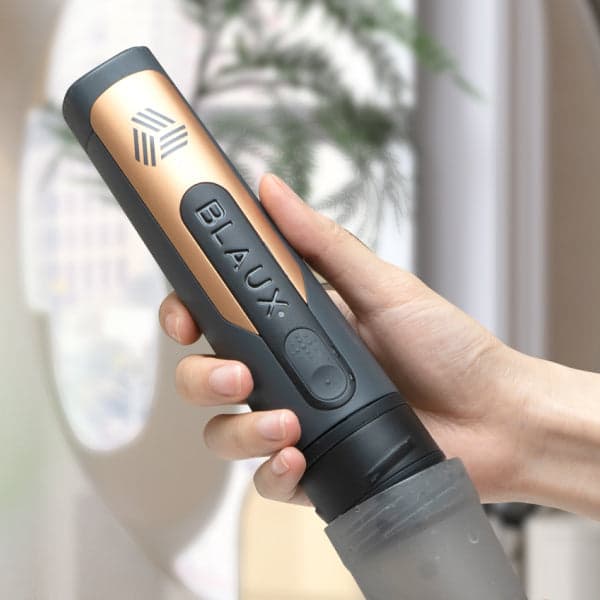
Somewhere between the viral TikTok reviews, the wellness-influencer pitch, and the hotel-vlogger recommendation, portable bidets have been sold as an upgrade to every bathroom you use. They aren't — and treating them as one is the fastest way to end up disappointed by an otherwise useful gadget. The honest question isn't 'is a portable bidet a life-changing device' (it isn't). The honest question is 'is a portable bidet worth $50 to solve a specific set of problems that a plumbed bathroom already solves,' and the answer for a specific slice of people is yes.
This piece walks through what a portable bidet actually is (a handheld electric or manual sprayer with a tank you refill), the three genuinely good use-cases it fits, the two ways people commonly misuse it and end up unhappy, the hygiene questions that come up (they're valid), and the honest comparison against the alternatives — a $15 travel bidet, a $30 plumbed home attachment, or nothing at all. If you're specifically buying it as a cheaper stand-in for a home bidet seat, you're the buyer this piece is designed to redirect. If you're buying it for hotels, campsites, RVs, offices, or postpartum, you're the one it's designed for, and the rest of this piece is the buying guide.
What a portable bidet actually is (and isn't)
A portable bidet is a handheld sprayer that carries its own water tank — typically 150-200ml (about 5-7 ounces) — plus, in the electric versions, a small rechargeable battery and pump that push the water through an adjustable nozzle. You fill it from any tap, extend a telescoping wand for reach, and press a button to spray. That's genuinely all it is. The premium electric versions add two-pressure modes, USB charging, auto shut-off, and a discreet carry sleeve; manual squeeze-bottle versions ($10-15) skip the pump entirely and rely on your hand to build pressure. Both do the same core job: they rinse.
What a portable bidet is not is critically important, because it's where most of the disappointment comes from. It is not a bidet seat: there's no connection to your toilet's water line, no continuous water supply, no heated water, no dryer, no oscillating spray, no seat warmer. When the small tank runs dry (about one thorough wash), you get up, refill it at the sink, and continue. It is not a body wash. It's not a substitute for showering. It's not a device that will replace toilet paper in your home. It's a directed rinse you can bring somewhere a plumbed bidet can't go — and that's the specific job to buy it for.
The three real use-cases where a portable bidet earns its keep
Use-case one: travel. Hotels almost never have a plumbed bidet in the US (the ratio elsewhere varies), and if you're accustomed to a bidet at home, the paper-only option in a hotel bathroom is a real quality-of-life drop for a two-week trip. A portable bidet is small enough for a carry-on toiletry bag, the discreet sleeve on the electric models keeps it out of sight, and it makes hotels, Airbnbs, and rental cabins into bidet-having bathrooms for a fifty-dollar one-time cost. Frequent business travelers, honeymooners, and anyone taking longer international trips are the specific buyers this fits.
Use-case two: outdoor. Campsites, tents, RVs, road trips, and any bathroom situation where you're using a compost toilet, a porta-potty, or a pit toilet — this is the environment a portable bidet is arguably most useful, because the paper-only alternative in those setups gets old fast. RVers who plumb a permanent bidet attachment into their rig get the more elegant solution, but a portable version works in any camper or pop-up without any installation work. Use-case three: postpartum recovery, peri care, and cleanup around a healing area or during a period of sensitive skin. The gentler pressure mode plus adjustable nozzle is genuinely the right tool for this job, and it's frequently recommended by OB nurses at hospital discharge for exactly this window. Anyone managing hemorrhoids, sensitive skin, or short-term recovery from a procedure fits the same profile.
For all three cases, pair a portable bidet with a good travel-hygiene kit. A UVBrite self-cleaning water bottle is a natural companion in the same dopp bag: two 'stay clean on the road' gadgets that together handle drinking-water microbes and the after-bathroom rinse without adding a lot of weight. Neither is essential; both belong to the category of 'small tools that noticeably improve travel comfort.'
The two ways people commonly regret buying a portable bidet
Regret #1: buying it as a cheaper stand-in for a home bidet. This is the single most common disappointment, and it's a category error. A permanent plumbed bidet attachment for your existing toilet — the under-seat kind that clamps between your seat and the porcelain, taps into the cold-water supply, and puts a spray nozzle beneath the seat — is $30-60, installs in about ten minutes with no plumbing skills required, and gives you a continuous, unlimited, easily-warmed rinse forever with no batteries, no tanks, and no refill. For your own home bathroom, that's the correct product; a portable bidet doing the same job is doing it badly, and the tank-refill workflow that's tolerable at a hotel becomes annoying by day three at home. Buy a plumbed attachment if the bathroom in question is one you own; buy a portable if the bathroom is one you're passing through.
Regret #2: expecting the tank to hold more than it does. A 170ml tank is roughly one thorough wash. A heavier cleanup or a very long session can drain it before you're done, which forces a mid-use stand-up-refill routine that nobody enjoys. Both problems are honest, structural to the format, and neither is a defect of any specific model — every portable bidet in the category shares them. If you'll want more than one wash per fill, buy a manual version with a larger 400-500ml squeeze bottle, or accept the refill workflow as the tradeoff for having a bidet somewhere you couldn't otherwise. Neither answer is wrong; they're both about matching the tool to the trip.
Are portable bidets sanitary?
The concern is fair, and the answer is: yes, if you use them correctly, with the specific caveats below. The bidet nozzle only ever contacts you or the water in the tank, and the water in the tank is the water you filled from a tap. Cross-contamination between users is essentially the concern, and if only one person uses the same portable bidet, there's no meaningful cross-contamination pathway. In a shared-household scenario — several people using the same unit — clean the nozzle with soap and water between users, or assign one unit per person, which is the same discipline you'd apply to any personal-care device.
Two hygiene rules matter more than most listings mention. First: fill the tank with clean water. This sounds obvious, but hotel-tap and rural-well water sometimes isn't ideal, and a portable bidet using questionable water is delivering that water directly to a sensitive area. Bottled water is a fine, cheap workaround in a place with dubious tap. Second: empty and dry the tank between longer uses. A moist tank sitting in a bathroom kit for weeks at a time can grow the same funk any wet enclosed plastic space grows, and the fix is the same as for any water bottle: dump it out after use, cap it open to air-dry, and give it a soap-water rinse weekly if you use it regularly. Done that way, a portable bidet is fully as sanitary as any other personal-care device that carries water.
How to actually shop for one (the specs that matter and the ones that don't)
Specs that matter: tank size (bigger is better up to about 200ml, past which the whole device gets unwieldy), pressure adjustability (a two-mode gentle/strong is the right minimum — single-pressure units are a step down), nozzle articulation (180° swivel is standard on the electric models and worth it), battery type and how many uses per charge (40-50 washes is the current normal), waterproofing rating (IPX6 or better; you're using it in a wet environment), and — for electric models — the charging cable format. This last is a specific trap: several current-gen electric portable bidets use proprietary magnetic cables that are painful to replace when lost. Standard USB-C is much better; some middle-tier brands still use the proprietary cable, and one specific one, the Blaux Bidet (Ver 2), is honest about it being a real ownership friction to watch out for.
Specs that mostly don't matter, despite marketing prominence: 'medical-grade' plastics (the whole category uses the same food-safe polymers), 'sterilization mode' UV features (the tank is unlikely to be sterile after your bathroom sink refills it anyway, and cleaning is more effective than a light), and specific 'antibacterial nozzle coatings' (marketing polish; standard cleaning does the work). And one specific area to be careful about: counterfeit third-party marketplace listings. Portable bidets are a category where the popular brand names show up on generic marketplaces at deep discount, and buyers report the same pattern — worse leaks, faster battery decline, missing accessories, and worthless customer service. Buy from the official listing when you can; the $10 saved on a third-party knockoff is often the entire cost you pay in reduced product life.
The five-minute buying decision — which portable bidet, or none at all
If you want a bidet at home in a bathroom you own or long-term rent, don't buy a portable — buy a $30 plumbed attachment. If you're a very occasional traveler and only need a bidet for a single trip, a $15 manual squeeze-bottle travel bidet works fine and takes up almost no space. If you're a frequent traveler, RVer, camper, or postpartum-recovery buyer who wants a nicer, more controllable rinse without the physical effort of squeezing a bottle, the $50 electric class is genuinely the right pick for the job, and the Blaux Bidet is one specific representative of that tier — with the honest tradeoffs of the category around tank size, gasket-leak risk, and proprietary cable that all similarly-priced electric models share.
Set expectations correctly and you'll be happy: a portable bidet is a rinse-anywhere tool that solves the specific problem of not having a bidet in bathrooms you'll only briefly use. It doesn't replace a plumbed home bidet, it doesn't hold enough water for two washes, and it's not a lifestyle upgrade. But as the fifty-dollar fix that turns paper-only hotels, campsites, and rental cabins into rinse-having bathrooms for the rest of the years you'll travel, it is worth it — with those caveats — for the specific traveler and specific-recovery buyer above. For everyone else, the money is better spent on the plumbed home attachment, and this whole category isn't for you.
Read our Blaux Bidet review
The pocket-sized electric portable bidet — telescoping wand, 180° nozzle, two pressure modes, USB-rechargeable — with the honest tradeoffs of the whole category laid out in one place.
Read our Blaux Bidet reviewFrequently asked questions
Are portable bidets actually worth it?
Yes, for a specific slice of buyers: frequent travelers, RVers, campers, and postpartum-recovery users who need a rinse in bathrooms where no plumbed bidet exists. For those cases, a $50 electric portable bidet meaningfully improves the paper-only alternative and pays back over a couple of trips. No, if you're buying it as a cheaper stand-in for a home bidet — for your own bathroom, a $30 plumbed under-seat attachment is a permanently better solution with no batteries, no tank, and no refill. Match the tool to the trip: portable for bathrooms you pass through, plumbed for bathrooms you own.
Are portable bidets sanitary?
Yes, when used correctly. The nozzle only contacts you and the water you filled from a tap. For single-user use there's essentially no cross-contamination pathway. Rules that matter: (1) fill the tank with clean water — questionable rural tap or shady hotel water goes in bottled instead; (2) empty and dry the tank between longer uses and give it a soap-water rinse weekly if you use it regularly, same discipline as any water bottle; (3) in a shared-household setup, clean the nozzle between users or assign one unit per person. Done that way, a portable bidet is as sanitary as any other water-carrying personal-care device.
Portable bidet vs a plumbed bidet attachment — which should I buy?
For your home bathroom, buy the plumbed attachment. A $30 under-seat attachment clamps between your existing toilet seat and porcelain, taps the cold-water line in about ten minutes with no plumbing skills, and gives you a continuous, unlimited, easily-warmed rinse forever with no batteries, no tanks, and no refills. The portable version doing the same job at home is doing it badly. Buy a portable only for bathrooms you don't own or pass through: hotels, Airbnbs, campsites, RVs, offices, rentals.
How much water is in a portable bidet tank?
About 150-200ml (5-7 ounces) on the electric class, which is roughly one thorough wash. A heavier cleanup can drain the tank before you're done, forcing a mid-use refill at the sink. This is a structural limit of the category, not a flaw of any specific model; every portable bidet in the electric size range has the same constraint. Manual squeeze-bottle bidets can hold more (400-500ml) at the tradeoff of no electric pump and hand-generated pressure.
How long does the battery last on an electric portable bidet?
Roughly 40-50 washes per charge on the current generation of $40-60 electric models — about two to three weeks of daily use, or a couple of weeks of active travel. Charging takes about two hours over USB. The specific charging cable is a spec worth checking: several popular models (including Blaux) use a proprietary magnetic cable that's hard to source a replacement for, so keep track of it. Standard USB-C models are the cleaner ownership experience if you can find one at the price point you want.
Is a portable bidet good for postpartum recovery?
Yes — this is one of the two or three use-cases where a portable bidet is straightforwardly the right product, and OB nurses often mention it at hospital discharge. The gentler pressure mode and adjustable nozzle deliver a directed rinse that's easier and less irritating than paper for a healing area. Use clean lukewarm water and start on the low-pressure setting. It's not a treatment for anything specific; it's a gentler cleanup tool during a recovery window, which is exactly what's useful during that period.
Can I use a portable bidet on airplanes and in tiny hotel bathrooms?
Yes on both. Airplane security is not an issue — portable bidets carry no liquid through security if you travel with the tank empty and fill it in the destination-bathroom sink, and they're not a restricted item in carry-on. Tiny hotel bathrooms are actually one of the environments the format is ideal for: the whole device is about the size of a slim water bottle, fits in a toiletry bag, and the telescoping nozzle plus 180° swivel let you use it in cramped spaces where you couldn't install anything. The discreet carry sleeve on the higher-tier electric models is worth having if you'd rather not explain what it is at a security check.
TopCrate is reader-supported. When you buy through links on our site we may earn an affiliate commission, at no extra cost to you. Content is for general information and isn't a substitute for professional advice.