TRENDING ON AMAZON
Sony WH-1000XM5 Wireless Noise Cancelling Headphones Review: Is It Worth It?
Class-leading noise cancellation, audiophile-grade sound and 30-hour battery — the headphones reviewers consistently put at the top.
Quick answer: The Sony WH-1000XM5 is the all-around best wireless noise-cancelling headphone right now — class-leading ANC, rich sound, 30-hour battery and a much-improved mic array for calls. If you fly, commute or work in noisy environments, this is the upgrade you'll feel every day.
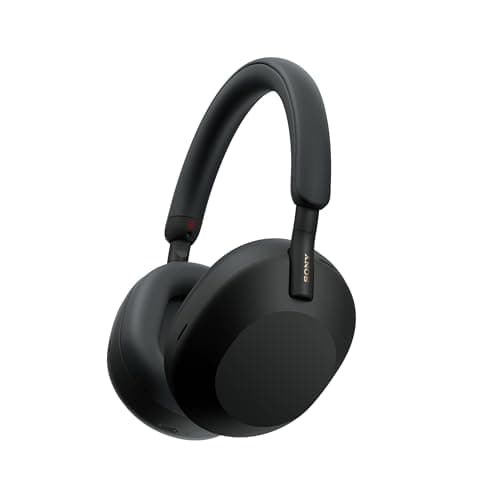
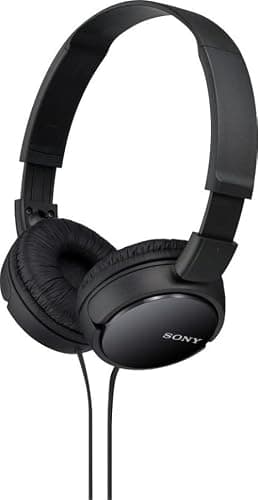
Product image from the Amazon listing.
Our verdict
The Sony WH-1000XM5 is the all-around best wireless noise-cancelling headphone right now — class-leading ANC, rich sound, 30-hour battery and a much-improved mic array for calls. If you fly, commute or work in noisy environments, this is the upgrade you'll feel every day.
The short version
Sony's XM-series has owned the 'best noise-cancelling headphones' title for years, and the WH-1000XM5 is the cleanest version of the formula. The cancellation genuinely silences plane engines, train rumble and office HVAC. The sound is rich and tunable in the Sony Headphones app. Calls are markedly clearer than the previous generation thanks to a new mic array. Battery hits 30 hours with ANC on, and a 3-minute fast charge gives you 3 hours of playback. For frequent flyers, open-office workers and people who simply want the best wireless cans short of audiophile wired gear, this is the pick.
Pros & cons
Pros
- Class-leading active noise cancellation
- Rich, tunable sound via the Sony Headphones app
- 30-hour battery life with ANC on
- 3-minute fast charge = 3 hours playback
- Significantly improved call quality vs XM4
- Multipoint connection — pair to two devices at once
Cons
- Doesn't fold flat like the older XM4
- Premium price
- Touch controls take a session to get used to
Why people love it
Pair in seconds
Bluetooth pair with your phone or laptop, or use Google Fast Pair / Swift Pair for instant setup.
Disappear into your music
Active noise cancellation uses eight microphones and a dedicated processor to silence engine drone, fans and chatter.
Tune it your way
The Sony Headphones app gives you a full EQ, Adaptive Sound Control that adjusts to your environment, and multipoint device switching.
Who it's for
- Frequent flyers and commuters
- Open-office and remote workers
- Travelers and long-haul listeners
- Anyone who wants the best wireless cans, period
How good is the Sony WH-1000XM5 noise cancellation, really?
This is the headline feature, and Sony delivers. The XM5 uses eight microphones (four feed-forward, four feed-back) and a dedicated noise-cancellation chip, the same approach as the XM4 but with more mics and better processing. The result on a plane is dramatic — the constant low-frequency engine drone effectively disappears, leaving you with quiet you can sleep in. Train rumble, bus noise and HVAC hum all get the same treatment. Higher-frequency sounds like sharp speech still come through somewhat, which is normal for any ANC headphone, but the overall cabin volume reduction is the best in the class.
Real-world testing across reviewers consistently puts the XM5 at the top of the ANC charts, narrowly ahead of the Bose QuietComfort Ultra in raw cancellation power, especially in the low frequencies that matter most for flying. Adaptive Sound Control in the Sony Headphones app can automatically swap between ANC modes when it detects you're walking, sitting still or on a noisy train. For frequent flyers and open-office workers, the cancellation alone justifies the price.
Sound quality, EQ and codec support
Out of the box the XM5 has Sony's signature lively, slightly warm tuning — fuller bass than neutral monitors but never bloated, and a refined treble that doesn't fatigue over long listening sessions. The midrange has been pulled forward slightly versus the XM4, giving vocals more presence. For Spotify, Apple Music or YouTube on a phone, this default tuning is excellent for the vast majority of listeners — pop, hip-hop, podcasts and rock all sound great.
Sony Headphones Connect (the app) gives you a full 5-band EQ plus preset profiles, so you can tune them flatter or boost specific ranges if you prefer. The XM5 supports SBC, AAC and LDAC over Bluetooth, which means iPhone users get high-quality AAC and Android users with LDAC-capable phones get near-CD-quality wireless streaming from services like Apple Music Hi-Res, Tidal and Qobuz. There's also a 3.5mm jack for wired listening if you want to bypass Bluetooth entirely.
Are the WH-1000XM5 right for you? (vs Bose, AirPods Max and budget picks)
The XM5 is the right pick if you prioritize raw noise cancellation, customizability and feature depth — Adaptive Sound, multipoint, Speak-to-Chat, head-tracking spatial audio support and an app full of options. They're the favored choice for frequent flyers, commuters and anyone who'll keep them for years. Comfort is excellent and the build is high-quality, though the non-folding design is a step back from the XM4 for travelers who pack tight.
The Bose QuietComfort Ultra is the comfort and sound-naturalness rival; many reviewers prefer Bose's fit on smaller heads and the more neutral default tuning. AirPods Max have the best Apple-ecosystem integration (seamless iCloud handoff, hands-free Siri) and a premium feel, but cost noticeably more and aren't as travel-friendly. At a lower budget, the previous-gen Sony WH-1000XM4 or the Sennheiser Momentum 4 are the strongest alternatives — and if you don't need ANC at all and just want a long-battery, cross-platform on-ear, the Beats Solo 4 review makes the case for saving several hundred dollars and getting 50 hours per charge instead. For most non-Apple-locked-in listeners who do want ANC, the XM5 is the safest 'best wireless cans' pick.
All-day comfort, build, and the annoying stuff most reviews skip
The XM5 weighs 250g, which is on the lighter end of full-size ANC headphones (AirPods Max are 384g, Bose QuietComfort Ultra are 250g). That difference is genuinely noticeable on hour four of a long flight or workday. The synthetic leather ear cushions are softer than the XM4's and use a wider, oval-cut opening that fits more ear shapes without pressing on the outer cartilage — the primary source of ANC-headphone fatigue for people whose ears don't fit the small circular cutout most competitors use. Glasses wearers report the XM5 seal isn't fully broken by temple arms, which was a real XM4 complaint. Long-session comfort is a legitimate reason to pick the XM5 over the AirPods Max for anyone who wears cans 6+ hours a day.
The XM5 does have a specific set of small annoyances worth naming so you can decide if they matter to you. The touchpad on the right cup is sensitive and picks up hair-tucking or hat-brushing as a tap — which can pause music mid-song until you learn the muscle memory. The auto-off timer defaults aggressively, so wearing them around your neck between calls sometimes has them sleep on you. The case is bigger than the XM4's because of the non-folding hinge — bulky for a laptop backpack. And the ear cushions are user-replaceable but not universally available like Bose replacements; expect to source them through Sony directly at 3-4 years in. None of these are dealbreakers, but knowing them ahead of time avoids the 'this expensive thing is weirdly annoying' reaction that shows up in some verified-purchase reviews.
See Sony WH-1000XM5 on Amazon
Check the latest price, photos and buyer reviews on Amazon.
Check Price on Amazon →Sold and shipped by AmazonFrequently asked questions
Are the Sony WH-1000XM5 worth it over the XM4?
For most people, yes. The XM5 has noticeably better noise cancellation, much improved call quality thanks to a new mic array, and refined sound tuning. The trade-offs are a non-folding design (the XM4 folds flat for travel) and a higher price. If you mostly listen at a desk or on planes, the XM5 is the clear upgrade; if budget is tight and you need fold-flat portability, the XM4 is still excellent.
How long does the battery last?
Up to 30 hours of playback with noise cancellation on, and a 3-minute fast charge gives you about 3 hours of playback. With ANC off, total runtime climbs to roughly 40 hours. Real-world battery typically matches Sony's quoted numbers, which makes them genuinely all-day headphones with no anxiety about charging mid-flight.
Can I use them with my iPhone, Mac and PC at the same time?
Yes — the XM5 supports Bluetooth multipoint, so you can be connected to two devices simultaneously. The most common setup is laptop plus phone: your music plays from the laptop, and when a call comes in on the phone, the audio switches automatically. The Sony Headphones app makes setup straightforward.
Are the WH-1000XM5 good for phone calls and Zoom?
This is the biggest XM4-to-XM5 upgrade. The XM5 adds a four-beamforming-mic array and AI-based noise reduction so your voice comes through cleanly even in noisy environments. They're now a legitimate choice for daily remote-work calls, not just music listening, which the XM4 couldn't fully claim.
Do Sony WH-1000XM5 headphones support Hi-Res Audio and LDAC?
Yes. The XM5 supports LDAC, Sony's high-bitrate Bluetooth codec for Hi-Res Audio playback from Android devices and select streaming services. On iPhone they use AAC, which sounds excellent in practice. Wired listening via the included 3.5mm cable bypasses Bluetooth entirely for the best quality.
How do the XM5 compare to the Bose QuietComfort Ultra?
They trade blows. Bose QuietComfort Ultra has a slightly more neutral default sound signature and arguably the most comfortable fit on the market. Sony has a fuller bass tuning, more aggressive ANC and a more customizable app. For pure noise cancellation on planes, the XM5 still edges out. For all-day comfort and a more 'natural' default sound, Bose is the pick. Both are excellent — pick on fit and sound preference.
As an Amazon Associate, TopCrate earns from qualifying purchases at no extra cost to you. Product image, price, availability and ratings are shown on Amazon and are subject to change.