HANDS-ON REVIEW
Sleepgram 3-in-1 Adjustable Pillow Review: Is It Worth It?
A pillow-in-a-pillow system with two removable inserts — build the exact soft, medium or firm pillow your sleep position wants.
Quick answer: Yes — Sleepgram turns the worst purchase experience in bedding (guessing firmness from a plastic-wrapped square) into a setting you adjust at home. Three legitimate builds cover every position and preference, the fill is allergy-safe, and the price undercuts the serial-pillow-buying cycle it replaces. It won't out-contour an orthopedic pillow, but as the first pillow to buy — and probably the last — it's the smart default.
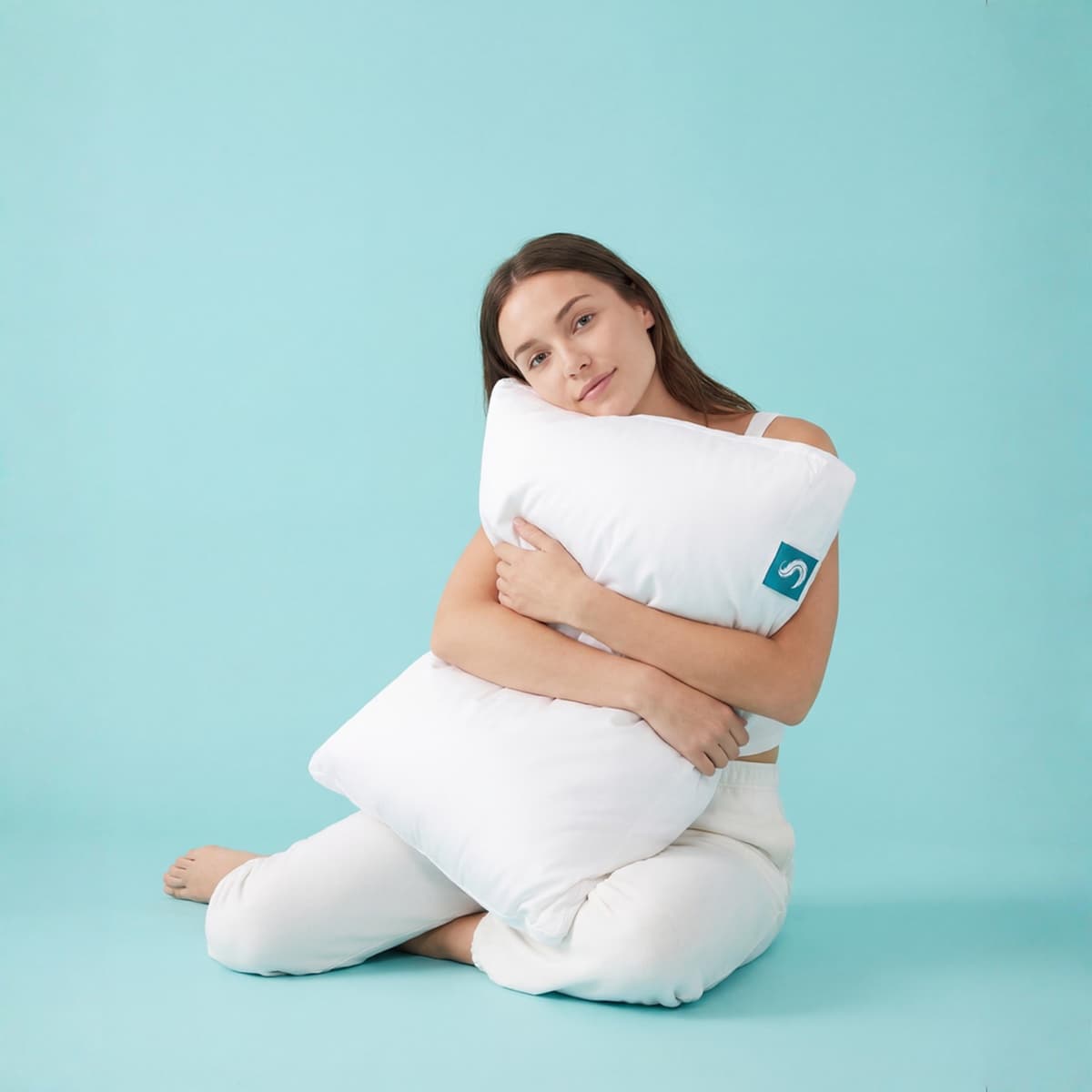
One outer shell, two inserts, three firmness builds — the pillow adjusts to you. Photo: Sleepgram
Our verdict
Yes — Sleepgram turns the worst purchase experience in bedding (guessing firmness from a plastic-wrapped square) into a setting you adjust at home. Three legitimate builds cover every position and preference, the fill is allergy-safe, and the price undercuts the serial-pillow-buying cycle it replaces. It won't out-contour an orthopedic pillow, but as the first pillow to buy — and probably the last — it's the smart default.
The short version
Pillow shopping is a guessing game rigged against you: firmness is unlabeled, needs differ by sleep position, and the wrong guess costs $60 and three months of neck complaints. Sleepgram deletes the guess — its outer pillow holds two removable inner pillows, so you sleep on soft (no inserts... actually the shell alone), medium (one insert) or firm (both), and change your mind any night. Side sleepers stack both for loft; stomach sleepers strip it down; back sleepers live in the middle. Hypoallergenic microfiber fill, washable cotton cover, and a configuration for every body — which is why it's the rare pillow both partners keep.
Pros & cons
Pros
- Three firmness levels in one pillow — adjust any night
- Works for side, back and stomach sleepers alike
- Down-like microfiber fill without allergens or feathers
- Washable cotton cover; inserts launder separately
- Ends the pillow-store firmness guessing game
- Couples stop negotiating — each side builds its own
Cons
- Adjusting means physically adding/removing inserts
- Microfiber loft needs an occasional re-fluff, like any down-alt
- Not a contoured orthopedic shape — that's a different tool
How it works
Start with the shell
The outer pillow alone is the soft build — plush, low-loft, stomach-sleeper territory.
Add inserts to taste
One inner pillow makes medium; both make firm and high-loft. The zippered shell holds them without shifting.
Re-tune any night
Sore neck? New mattress? Swap the build in ten seconds — the pillow adapts instead of getting replaced.
Who it's for
- Anyone who's bought three pillows in two years
- Combination sleepers who change position nightly
- Couples with opposite firmness religions
- Allergy sufferers wanting down-feel without down
Why adjustability beats every fixed pillow
The pillow industry's dirty secret is that firmness is a moving target: the right loft depends on sleep position (side wants high, stomach wants nearly flat), shoulder width, mattress softness, and even the night's aches — yet every conventional pillow freezes one answer into foam or feathers. That's why the average bedroom has a pillow graveyard: each was right for a month of circumstances and wrong forever after.
The insert system solves it structurally. Two removable inner pillows give three honest configurations, and because the adjustment is mechanical rather than a purchase, the pillow tracks your life — firmer after a shoulder-heavy gym block, softer on the guest bed rotation, split between partners who'd otherwise share a compromise neither likes. It's the same argument that made adjustable-fill pillows a category; Sleepgram's insert approach just makes the adjustment cleaner than scooping shredded foam.
Position-by-position: building your right pillow
Side sleepers: both inserts, full stop — the shoulder gap demands loft, and the firm build keeps the ear-to-shoulder line level so the neck doesn't kink downward all night. Back sleepers: one insert is the textbook build, supporting the cervical curve without pitching the chin forward. Stomach sleepers: shell only — nearly flat is correct, and the soft build is one of the few non-punishing stomach pillows on the market.
Combination sleepers get the sleeper benefit (pun intended): pick the build for your dominant position and let the microfiber's give handle the transitions. If mornings still start with a stiff neck after a week of experimenting, the problem is usually the mattress-pillow pairing, not the pillow alone — a soft mattress swallows loft, so go one build firmer than instinct suggests. For dedicated neck-pain sufferers, a contoured cervical pillow attacks the problem with shape instead of loft, and the softer, gel-topped VelaSleep ergonomic cervical pillow is worth a look for side sleepers who run hot — both replace loft-tuning with head-and-neck geometry. Sleepgram is the generalist's answer for everyone else.
Is Sleepgram worth $59.99?
Price it against the failure mode it replaces: three wrong $40–60 pillows over two years is the documented average path to finding 'the one,' and the wrong ones don't get returned — they get demoted to the couch. One $59.99 pillow that reconfigures beats the lottery on cost alone, before counting the mornings saved. Against premium fixed pillows at $75–180, adjustability is simply more feature for less money.
Care notes that protect the investment: wash the cotton cover regularly, launder the inserts gently and dry them fully (microfiber clumps if stored damp), and give the loft a daily ten-second fluff like any down-alternative. Expect years of service from the shell and inserts. Pair it with cooling sheets or a silk pillowcase and the bed's upgrade path is complete — see our full best pillows guide for how it stacks against the field.
Frequently asked questions
How does the 3-in-1 adjustment work?
The outer pillow contains two removable inner pillows. Shell alone = soft and low; one insert = medium; both inserts = firm and lofty. Changing builds takes seconds at the zipper.
Which build should I use for my sleep position?
Side sleepers: both inserts (high loft fills the shoulder gap). Back sleepers: one insert. Stomach sleepers: shell only. Combination sleepers: build for your dominant position.
Is it good for neck pain?
The right loft for your position is most of what a pillow can do for garden-variety neck stiffness — and adjustability means you can actually find it. For chronic cervical issues, a contoured orthopedic pillow is the more targeted tool.
What's the fill?
Down-alternative microfiber: the plush, conforming feel of down without feathers, quills or the allergens — a real consideration for the roughly one-in-five sleepers with sensitivities.
How do I wash it?
The cotton cover machine-washes routinely; the inserts launder gently and must dry completely before going back in. A daily fluff keeps the loft honest, like any down-alternative pillow.
Will it work for both me and my partner?
That's its quiet superpower: buy one per side and each sleeper builds their own firmness. The pillow war ends in a draw where everyone wins.
When you buy through links on this page, TopCrate may earn an affiliate commission at no extra cost to you. Specifications reflect the manufacturer's listing. Prices accurate as of publish time.
More reviews you might like
WHITE NOISE
Homedics SoundSleep Review: Best Portable White Noise Machine?

AIR QUALITY
Levoit Humidifier Review: Is the Bestselling Cool-Mist Bedroom Pick Worth It?

COOLING
Elegear Cooling Blanket Review: Does Arc-Chill Really Work for Hot Sleepers?
COOLING