TRENDING ON AMAZON
Olaplex No.3 Hair Perfector Review: Is It Worth It?
A weekly pre-shampoo treatment that repairs the broken bonds left behind by heat, color and bleach — softer, shinier, less breakage in a few uses.
Quick answer: Olaplex No.3 is the rare hair product that has the science to back the hype. If your hair is damaged from color, bleach or hot tools, a few weeks of weekly use makes a visible difference — softer, shinier, less breakage.
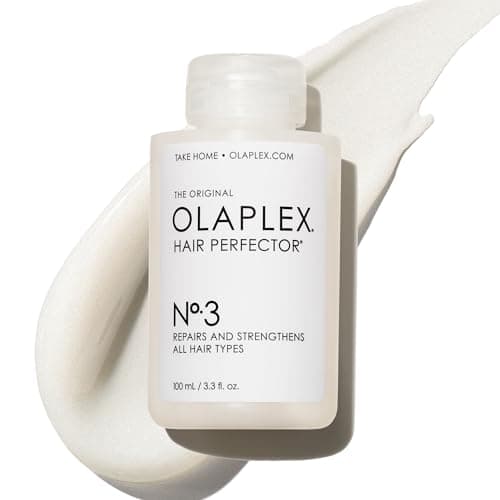
Product image from the Amazon listing.
Our verdict
Olaplex No.3 is the rare hair product that has the science to back the hype. If your hair is damaged from color, bleach or hot tools, a few weeks of weekly use makes a visible difference — softer, shinier, less breakage.
The short version
Olaplex started as the pro-only treatment colorists used to stop bleached hair from snapping. No.3 is the at-home version: a pre-shampoo treatment you slather on damp hair, leave for ten minutes (or longer), then wash and condition as usual. It uses Olaplex's patented bis-aminopropyl diglycol dimaleate molecule to reconnect broken disulfide bonds — the structural damage hot tools and chemicals leave behind. Most people see softer, shinier, less frizzy hair with noticeably less breakage after two or three uses.
Pros & cons
Pros
- Patented bond-repair molecule, salon-grade
- Visibly softer, shinier hair in a few uses
- Reduces breakage from heat and color
- Safe for all hair types, including colored
- Works for fine and coarse hair
- A bottle lasts months of weekly use
Cons
- Not a conditioner — you still shampoo after
- Needs at least 10 minutes on the hair
- Pricey for a bottle
Why people love it
Apply to damp hair
Towel-dry, then work a generous amount through from roots to ends.
Wait 10+ minutes
Leave it on while you do other things — longer is fine; some leave it overnight.
Shampoo and condition
Rinse, then shampoo and condition as normal. Use once or twice a week.
Who it's for
- Anyone who colors, bleaches or highlights
- Heat-tool users (curling, flat iron, blow-dry)
- Hair that snaps or feels straw-like at the ends
- People rebuilding hair after damage
What 'bond repair' actually means
Your hair gets its strength from internal bonds, and the most important for damage are disulfide bonds. Bleach, permanent color, and high heat from flat irons and blow dryers break those bonds, and once enough of them snap the hair feels straw-like, stretches when wet, frizzes and eventually breaks off. Regular conditioners coat the outside of the strand to make it feel smoother, but they can't reconnect that internal structure — the damage is still there under a temporary slip.
Olaplex is different because its patented ingredient (bis-aminopropyl diglycol dimaleate) actually re-links broken disulfide bonds inside the strand. That's why colorists add it to bleach to stop hair from disintegrating mid-service, and it's why the at-home No.3 can make damaged hair measurably stronger over time rather than just temporarily silkier. It's a structural repair, not a cosmetic coating.
How to use Olaplex No.3 for the best results
Technique matters more than people think. Start with damp, towel-dried hair — not soaking wet, which dilutes the product, and not dry, which makes it hard to distribute. Use a generous amount, comb it through from mid-length to ends where damage concentrates, and don't rush the wait: ten minutes is the minimum, but leaving it on for 30 to 60 minutes (or even under a shower cap overnight for very damaged hair) gives the molecule more time to work.
Then — and this is the step people skip — you still shampoo and condition afterward, because No.3 is a pre-shampoo treatment, not a leave-in or a conditioner. Used once or twice a week, most people see softer, shinier, less frizzy hair with noticeably less snapping within two or three uses, and continued improvement over a month.
Is Olaplex No.3 worth it versus cheaper bond builders?
Olaplex created this category, and its patented chemistry is genuinely different from many drugstore 'bond' products that lean on conditioning agents to mimic the feel without the structural repair. If your hair is seriously damaged from bleaching or heavy heat styling, the premium is usually justified — and a single bottle lasts months at once-a-week use, which softens the sticker shock per application.
The main rival worth knowing is K18, a leave-in that works on a different (peptide) mechanism and takes far less time. Some people prefer it for convenience. But for classic at-home bond repair on color- and heat-damaged hair, No.3 remains the benchmark the others are measured against. If your hair is healthy and just needs moisture, though, a good conditioning mask is cheaper and more appropriate — No.3 is a repair treatment, not a hydrator.
See Olaplex No.3 on Amazon
Check the latest price, photos and buyer reviews on Amazon.
Check Price on Amazon →Sold and shipped by AmazonFrequently asked questions
Is Olaplex No.3 a conditioner?
No — it's a pre-shampoo treatment. You still shampoo and condition afterward.
How long do I leave it on?
At least 10 minutes; many people leave it on for an hour or even overnight for deeper repair.
How often should I use it?
Once or twice a week is typical; more often during heavy color or chemical work.
Will it fix split ends?
Split ends still need a trim — but No.3 prevents new breakage and visibly smooths existing damage.
Is Olaplex No.3 safe for color-treated hair?
Yes — it was designed for exactly that. It protects and rebuilds bonds during and after coloring or bleaching without stripping your color.
Can you use too much Olaplex No.3?
Using it more than two or three times a week won't speed up results and can leave fine hair feeling weighed down. Once or twice weekly is the sweet spot for most people.
As an Amazon Associate, TopCrate earns from qualifying purchases at no extra cost to you. Product image, price, availability and ratings are shown on Amazon and are subject to change.
More reviews you might like
SKINCARE
Celimax Vita-A Retinal Shot Review: Best K-Beauty Retinal for Sensitive Skin?
SPORTS
Body Glide Original Review: The Anti-Chafe Balm That Actually Works
SKINCARE
Foreo Luna Mini 3 Review: Is the Silicone Cleansing Brush Worth It?
SKINCARE