TRENDING ON AMAZON
Neutrogena Hydro Boost Hyaluronic Acid Water Gel Moisturizer Review: Is It Worth It?
The $20 Neutrogena hyaluronic acid gel moisturizer that goes on like water, sinks in in seconds, and delivers 48-hour hydration — the face moisturizer dermatologists actually recommend.
Quick answer: Yes — Neutrogena Hydro Boost is worth it, and it's still the drugstore moisturizer to beat in 2026. Under $25 for a hyaluronic acid water gel that works for combination, oily, normal and most sensitive skin. Not the strongest for very dry skin (layer something richer on top), but for most people it's the daily moisturizer dermatologists actually recommend. Buy the tube version for hygiene, and pair it with a gentle cleanser and sunscreen for a complete routine.
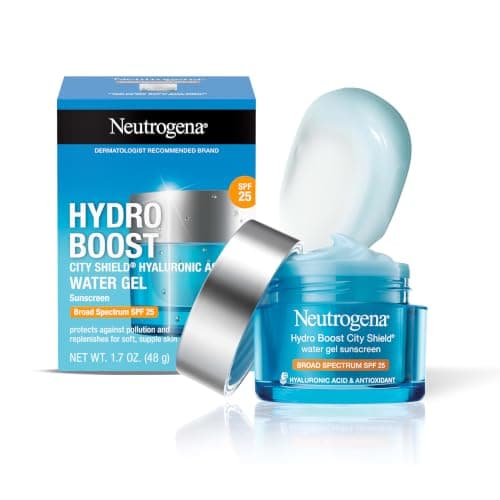
Product image from the Amazon listing.
Our verdict
Yes — Neutrogena Hydro Boost is worth it, and it's still the drugstore moisturizer to beat in 2026. Under $25 for a hyaluronic acid water gel that works for combination, oily, normal and most sensitive skin. Not the strongest for very dry skin (layer something richer on top), but for most people it's the daily moisturizer dermatologists actually recommend. Buy the tube version for hygiene, and pair it with a gentle cleanser and sunscreen for a complete routine.
The short version
Hydro Boost is the water-gel moisturizer that made hyaluronic acid mainstream. It uses HA to pull water into the top layers of skin, feels like nothing on your face (no greasy residue, no heavy cream feel), sinks in seconds, and delivers hydration that visibly lasts. Under $25 on Amazon, dermatologist-recommended for all skin types including sensitive and oily, and light enough to layer under sunscreen and makeup in the morning. Combination and oily skin types love it because it's not another heavy cream that clogs pores.
Pros & cons
Pros
- Hyaluronic acid pulls water into skin — visible plumping and hydration
- Water-gel texture disappears in seconds — no greasy or heavy feel
- Fragrance-free version available for sensitive skin
- Non-comedogenic — won't clog pores
- Works for all skin types including oily and combination
- Dermatologist-recommended and drugstore-priced (~$20-25)
Cons
- Not moisturizing enough for very dry or mature skin as a standalone
- Fragrance in some versions can irritate sensitive skin
- Original jar packaging exposes product to air/bacteria (tube version fixes this)
Why people love it
Hyaluronic acid draws water in
HA is a humectant that binds up to 1000x its weight in water, pulling moisture from the air and lower skin layers into your skin's surface for visible plumping.
Water-gel texture disappears fast
Unlike heavy creams, the lightweight gel absorbs in seconds — no residue, no shine, no heavy feel. Great under makeup or sunscreen.
48-hour skin hydration
The formula creates a hydration reservoir in your skin that lasts through the day, keeping skin plump and comfortable long after application.
Who it's for
- Combination and oily skin types who hate heavy creams
- Anyone starting a skincare routine on a budget
- Under-makeup daily moisturizer
- Post-tretinoin, retinol or acid users needing serious hydration
Neutrogena Hydro Boost review: does the cult drugstore moisturizer live up to the hype?
Hydro Boost is the moisturizer most dermatologists recommend when a patient asks 'what should I use every day?' — it's the sweet spot of accessibility, formulation, and cost. The reason: hyaluronic acid is one of the most-studied humectants in dermatology, and Hydro Boost delivers it in a well-formulated gel-cream at drugstore prices. The texture is what makes it viral — it goes on like water, sinks in in about 15 seconds, leaves zero residue, and works under makeup or sunscreen without pilling. For anyone with combination, normal, or oily skin, it's the moisturizer that removes the excuse of 'moisturizer makes my face feel heavy.'
Where it's oversold: it's a good moisturizer, not a miracle. It won't fix dark circles, prevent aging, brighten hyperpigmentation, or clear acne. It hydrates skin — that's the entire pitch, and it does it well. For truly dry skin, mature skin, or intense winter dryness, it may not be enough as a standalone (layer a richer cream on top). For oily and combination skin — which is where most complaints about heavy moisturizers come from — it's the answer, and it's been the answer for a decade. The 100,000+ Amazon reviews with a solid 4.5+ star average is not marketing luck; it's product-market fit.
How to build a $50 dermatologist-approved skincare routine around Hydro Boost
The most-recommended budget skincare routine, in three products for about $50 total, uses Hydro Boost as the centerpiece. Morning: gentle cleanser (CeraVe Hydrating Cleanser, $15 for a 12oz pump), Hydro Boost water gel ($22 for 1.7oz), and sunscreen (Neutrogena Ultra Sheer SPF 55 or EltaMD UV Clear SPF 46, $12-40). That's it — three products, five minutes, dermatologist-approved.
Evening: same gentle cleanser, then Hydro Boost. If you have specific concerns (aging, acne, hyperpigmentation), add ONE active — retinol/tretinoin for aging, salicylic acid for acne, or niacinamide for redness — applied to dry skin BEFORE Hydro Boost. That's the whole routine. Don't stack 7 serums; that's Instagram, not dermatology. The 3-product routine works because a well-formulated cleanser + moisturizer + sunscreen handles 90% of what skin needs. Hydro Boost's job in that routine is the daily hydration that keeps skin comfortable and lets any actives work without irritation.
Hydro Boost vs $60 boutique moisturizers (Drunk Elephant, Tatcha, Glow Recipe): what's actually different?
Compare Hydro Boost against Drunk Elephant Protini ($68), Tatcha The Dewy Skin Cream ($72), or Glow Recipe Plum Plump Hyaluronic Cream ($42). The active ingredient list is remarkably similar — hyaluronic acid is hyaluronic acid whether it costs $20 or $70. Where boutique moisturizers differ is in secondary ingredients (peptides in Drunk Elephant, Japanese fermented ingredients in Tatcha, plum extracts in Glow Recipe), packaging (heavier jars, better boxes, satisfying weight), and brand experience (Instagram-worthy, spa-vibe, gift-worthy). None of those secondary ingredients have dermatological evidence that Hydro Boost's simpler formulation lacks.
What you're paying for at $70 is texture refinement, brand experience, and marketing — real value if you enjoy those things, low value if you just want hydrated skin. Skin doesn't know what brand its moisturizer is. If you love the ritual of a Tatcha jar, buy Tatcha. If you love your money in your pocket and your skin looking the same, buy Hydro Boost. In blind hydration meter tests, drugstore moisturizers routinely tie or beat luxury ones because the formulations are more similar than the prices suggest.
See Neutrogena Hydro Boost on Amazon
Check the latest price, photos and buyer reviews on Amazon.
Check Price on Amazon →Sold and shipped by AmazonFrequently asked questions
Neutrogena Hydro Boost vs CeraVe vs La Roche-Posay: which drugstore moisturizer to buy?
These three brands dominate dermatologist recommendations for a reason. Neutrogena Hydro Boost is the lightest, gel-textured, best for oily and combination skin — feels weightless. CeraVe Moisturizing Cream and PM Lotion are the thicker, ceramide-focused picks — best for dry skin and skin barrier repair. La Roche-Posay Toleriane Double Repair is the sensitive skin champion — thermal spring water, prebiotic-focused. For a combination or normal skin type, Hydro Boost is often the sweet spot. For dry or damaged skin, CeraVe is stronger. For rosacea, eczema or sensitivity, La Roche-Posay is best.
Is the Hydro Boost water gel non-comedogenic?
Yes — the formula is specifically tested and labeled non-comedogenic, meaning it doesn't clog pores. This is why it's a favorite for acne-prone, oily, and combination skin. The gel-cream texture penetrates without leaving a heavy residue that traps oil in pores. If you've had trouble with heavier moisturizers causing breakouts, Hydro Boost is often the recommended switch.
Can I use Hydro Boost with retinol, tretinoin, or acids?
Yes, and it's actually one of the most recommended pairings. Retinoids and exfoliating acids (AHAs, BHAs) often dry out and irritate skin, especially in the first weeks of use. Hydro Boost's lightweight HA hydration replaces that lost moisture without adding oils or thick creams that can cause irritation. Apply your retinol/acid on dry skin at night, wait a few minutes, then layer Hydro Boost on top to buffer irritation. It's a standard dermatologist recommendation.
Should I choose the jar, the tube, or the whipped version?
For hygiene, buy the tube. The jar version means you're dipping fingers into the product daily, introducing bacteria that reduce shelf life and can cause breakouts. The tube dispenses only what you need. The Whipped version has a mousse-like texture that some find easier to spread but is otherwise the same active formulation. The Fragrance-Free version is best for sensitive skin, rosacea, and anyone who doesn't want to smell like anything under sunscreen or makeup. Skip: the eye gel (too expensive per ml, similar formula) and the tinted versions (thin coverage; buy a real tinted moisturizer instead).
How long does one tube/jar last?
About 2-3 months for once-daily use, 5-7 weeks for twice-daily use. The 1.7oz standard size is priced for repeated purchase — a single tube goes fast if you use it morning and night. Buy the larger 3.4oz size when on sale to reduce cost per use. Store in a cool dry place away from direct sunlight, and use within a year of opening for best potency.
Does Hydro Boost work for dry skin, or is it too light?
For mildly dry skin, yes — Hydro Boost provides enough hydration on its own for most people through fall and spring. For truly dry, mature, or winter-affected skin, layer it as a hydrating step underneath a heavier occlusive cream — apply Hydro Boost first, wait 30 seconds, then apply CeraVe Moisturizing Cream, La Roche-Posay Cicaplast Balm, or a dedicated CeraVe Skin Renewing Night Cream on top. The HA in Hydro Boost pulls water in; the occlusive on top seals it in overnight. That combo works better than any single expensive cream for very dry skin.
What do the real Neutrogena Hydro Boost reviews on Amazon actually say, and are 100,000+ of them earned?
Genuinely earned. The 100,000+ Neutrogena Hydro Boost reviews on Amazon cluster around a 4.5-star average with a consistent pattern: combination and oily skin users describe the water-gel texture as 'finally a moisturizer that doesn't feel heavy,' post-retinol users praise it as a buffer that reduces irritation, and dermatology-adjacent reviewers (nurses, PAs, estheticians) repeatedly mention it as their recommended starter moisturizer. The most-common negative reviews come from very dry skin types who found it too light as a standalone (correct — layer something richer on top in winter), and users who bought the jar version and had scooping/hygiene concerns (fixable — buy the tube version). Around 82% of reviews are 4-5 stars, which is unusually strong for a drugstore skincare product with a decade on the shelf. The reviews reflect the product accurately: it's a lightweight HA moisturizer that does one job well for most skin types.
As an Amazon Associate, TopCrate earns from qualifying purchases at no extra cost to you. Product image, price, availability and ratings are shown on Amazon and are subject to change.
More reviews you might like
SKINCARE
Celimax Vita-A Retinal Shot Review: Best K-Beauty Retinal for Sensitive Skin?
SPORTS
Body Glide Original Review: The Anti-Chafe Balm That Actually Works
SKINCARE
Foreo Luna Mini 3 Review: Is the Silicone Cleansing Brush Worth It?
SKINCARE