HANDS-ON REVIEW
Hilipert Titanium Reading Glasses Review: Is It Worth It?
Frameless, feather-light titanium reading glasses with an anti-blue-light coating — sharp near vision that's comfortable enough to forget you're wearing.
Quick answer: Yes — for healthy 40-plus eyes that just need a comfortable near-vision boost, Hilipert's frameless titanium readers are the nicer, better-looking answer to the drugstore rack, at a price low enough to keep spares everywhere. They're ready-made readers, not a prescription or an eye exam, and the blue-light coating is a modest bonus — but for the everyday job of seeing up close again in comfort, they're an easy, affordable win.
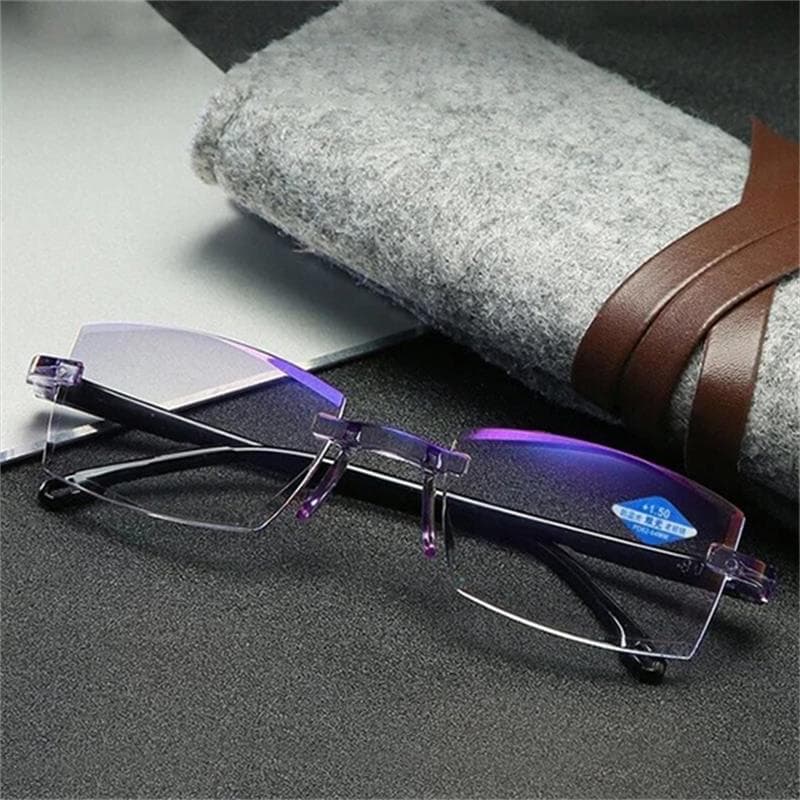
Rimless titanium construction — light on the nose, easy on the eyes. Photo: Hilipert
Our verdict
Yes — for healthy 40-plus eyes that just need a comfortable near-vision boost, Hilipert's frameless titanium readers are the nicer, better-looking answer to the drugstore rack, at a price low enough to keep spares everywhere. They're ready-made readers, not a prescription or an eye exam, and the blue-light coating is a modest bonus — but for the everyday job of seeing up close again in comfort, they're an easy, affordable win.
The short version
Somewhere in your forties the menu gets blurry and the phone drifts to arm's length — presbyopia, the near-vision fade that comes for everyone. Drugstore readers fix it but they're clunky, heavy, and unflattering. Hilipert's readers are the nicer version: a frameless design on flexible, lightweight titanium that sits so light you forget it's there, with an anti-blue-light coating to cut some of the harsh glare from screens. They give you crisp near vision for reading, phones and fine work at a fraction of prescription-glasses prices, and they look far less like medical devices than the spinner rack at the pharmacy. They're ready-made readers, not a prescription or an eye exam — but for the everyday job of seeing up close again, they're a comfortable, good-looking fix.
Pros & cons
Pros
- Frameless titanium — extremely light and comfortable
- Anti-blue-light coating cuts some screen glare
- Sharp near vision for reading, phones and fine work
- Flexible, durable frame resists bending and snapping
- Look far better than clunky drugstore readers
- A fraction of prescription-eyewear prices
Cons
- Ready-made readers — not a substitute for an eye exam or prescription
- Single magnification per pair, not progressive/bifocal
- Blue-light benefit is modest — not a medical claim
How it works
Pick your strength
Choose the magnification (diopter) that matches how far your near vision has faded — the listing guides typical strengths by age and need.
Put them on for close work
Slip them on to read, scroll, cook, or do fine work; the near-vision boost brings arm's-length blur back into focus.
Forget they're there
The frameless titanium is light enough to wear for hours, and the anti-blue-light coating takes some harshness off screens.
Who it's for
- 40-plus eyes where the menu and phone got blurry
- Anyone who finds drugstore readers ugly or heavy
- Screen-heavy readers wanting a bit of glare relief
- People who lose readers and want an affordable spare
Presbyopia, and why good readers matter
Near-vision fade — presbyopia — is universal and unstoppable: the eye's lens stiffens with age until close-up text drifts out of focus, usually starting in the forties. Reading glasses fix it by adding magnification for near tasks, and for most people with otherwise healthy eyes, ready-made readers do the job perfectly well for reading, phones, recipes and hobbies. The difference between a good pair and a bad one is entirely comfort and looks: a heavy, pinching, unflattering pair gets left in a drawer, while a light, decent-looking pair actually gets worn.
That's where the frameless titanium matters. Rimless construction removes most of the weight and bulk, so the glasses sit lightly on the nose and ears through hours of wear, and titanium's flex resists the snapped hinges and bent frames that kill cheap readers. The anti-blue-light coating is a modest bonus for screen-heavy users — it takes some harshness off displays; treat it as a nice-to-have rather than a medical benefit, since the science on blue-light glasses is mixed. The honest pitch is comfort and looks at a fair price, not a health claim.
What ready-made readers are — and aren't
Clarity on scope: these are non-prescription, ready-made reading glasses with the same magnification in both lenses. For the very common situation — healthy eyes that just need a near-vision boost — that's exactly right and a great value. What they are not is a replacement for an eye exam or a prescription. If your two eyes need different strengths, if you have astigmatism, if you need progressive/bifocal correction for both near and far, or if you're having headaches, eye strain, or vision changes, that's a job for an optometrist, not a ready-made pair.
The smart way to use them: get a baseline eye exam (which also screens for eye-health issues readers can't address), then use ready-made readers like these for the everyday near-vision tasks they handle beautifully — and buy more than one, because readers are famously easy to lose and having a pair by the bed, in the bag, and at the desk beats hunting for the single pair. At this price, a few spares is trivial, which is much of the appeal versus $200 prescription readers you're terrified to misplace.
Are the Hilipert readers worth $34.99?
Compare the options: prescription reading glasses run $100-300+ at the optical shop; drugstore readers are $15-25 but clunky, heavy, and prone to snapping; premium fashion readers hit $50-80. At $34.99 for frameless titanium with an anti-blue-light coating, Hilipert lands in the value sweet spot — nicer materials and looks than the pharmacy rack, a fraction of prescription pricing. For a product you'll wear daily and probably lose occasionally, that combination of decent-and-affordable is exactly right.
Who should buy: people with healthy eyes who just need a comfortable, good-looking near-vision boost and appreciate not crying when a pair goes missing. Who should see a professional first: anyone with vision problems beyond simple near-fade, different strengths per eye, or symptoms like headaches and strain. Get the eye exam, then let affordable readers like these handle the daily close-up work — comfortably, and without the drugstore-rack look.
Try Hilipert Readers for Yourself
Available now for $34.99.
Check Availability & Price →Ships to your doorFrequently asked questions
Are these prescription glasses?
No — they're ready-made, non-prescription reading glasses with the same magnification in both lenses. For healthy eyes that just need a near-vision boost, they work great; they don't replace an eye exam or a prescription for more complex vision needs.
How do I choose the right strength?
Pick the magnification (diopter) matching how far your near vision has faded — the listing offers guidance by typical age and need. If your two eyes differ significantly or you have other vision issues, see an optometrist instead.
Do the anti-blue-light lenses really help?
They cut some of the harsh glare from screens, which screen-heavy users often find more comfortable. The broader science on blue-light glasses is mixed, so treat it as a modest comfort bonus, not a medical benefit.
Why titanium and frameless?
Titanium is light and flexible, resisting the bent frames and snapped hinges that kill cheap readers, and the frameless design cuts weight and bulk so they're comfortable for hours and look less like drugstore readers.
Can I use them for driving or distance?
No — reading glasses are for near tasks only and will blur distance vision. Never wear readers for driving. For distance or combined near/far correction, you need a proper prescription.
Should I still get an eye exam?
Yes — a baseline exam confirms readers are all you need and screens for eye-health issues glasses can't address. Ready-made readers are perfect for the everyday near-vision job, but they're not a substitute for professional eye care.
What strength (diopter) reading glasses do I need for my age?
As a starting point most people use: +1.00 in the early to mid-40s (menu-blur, phone drift), +1.50 in the late 40s to early 50s (small print at arm's length), +2.00 in the mid-50s (fine print, threading a needle), +2.50 in the late 50s to early 60s, and +3.00 for the mid-60s and beyond. These are averages, not prescriptions — the right test is holding a phone or book at your normal reading distance and picking the lowest strength that makes the text sharp without straining. If between two strengths, go with the weaker one; over-magnified readers cause eye strain and headaches. Different strengths per eye, astigmatism, or persistent headaches mean an optometrist visit rather than a ready-made pair.
Can I wear the Hilipert readers all day, or only for reading?
They're near-vision only, so wear them only for close tasks (reading, phones, laptops, cooking, hobbies) and take them off for walking around or driving — magnification blurs distance vision and can trigger nausea if you try to walk in them. The frameless titanium is light enough for hours of continuous close work; the mistake is leaving them on while looking up at a TV or moving between rooms. Many owners keep the case on the desk and grab them only for the specific task, which is also the habit that keeps a pair from getting misplaced.
When you buy through links on this page, TopCrate may earn an affiliate commission at no extra cost to you. These are non-prescription ready-made reading glasses, not a substitute for an eye exam or prescription eyewear; see an eye-care professional for vision concerns. Prices accurate as of publish time.
More reviews you might like
SKINCARE
Celimax Vita-A Retinal Shot Review: Best K-Beauty Retinal for Sensitive Skin?
SPORTS
Body Glide Original Review: The Anti-Chafe Balm That Actually Works
SKINCARE
Foreo Luna Mini 3 Review: Is the Silicone Cleansing Brush Worth It?
SKINCARE