TRENDING ON AMAZON
Cetaphil Gentle Skin Cleanser Review: Is It Worth It?
The fragrance-free, soap-free cleanser dermatologists hand out to patients with sensitive skin — gentle enough for eczema, effective enough for everyone.
Quick answer: Cetaphil Gentle Skin Cleanser is the boring, brilliant cleanser that dermatologists actually hand out — soap-free, fragrance-free, and gentle enough for the most reactive skin. The default sensitive-skin cleanser for a reason.
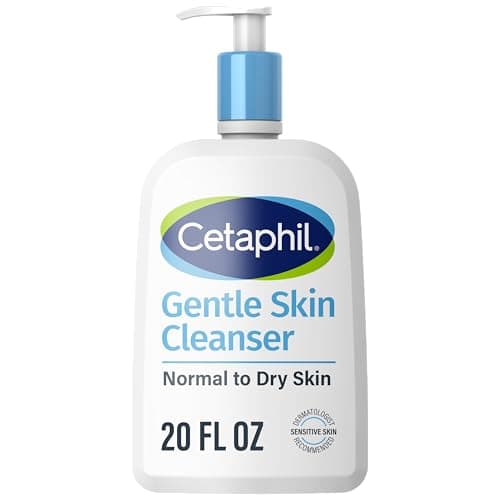
Product image from the Amazon listing.
Our verdict
Cetaphil Gentle Skin Cleanser is the boring, brilliant cleanser that dermatologists actually hand out — soap-free, fragrance-free, and gentle enough for the most reactive skin. The default sensitive-skin cleanser for a reason.
The short version
Cetaphil Gentle Skin Cleanser is what dermatologists actually hand out to patients with sensitive, dry or just-irritated skin. The formula is non-foaming, fragrance-free and soap-free — meaning it cleans without stripping the skin barrier, which is exactly the failure mode of most drugstore face washes. It works with or without water (great for postpartum or after a procedure), suits eczema, rosacea, acne-irritated and post-retinol skin, and is fine for the whole family. It's been on derm shelves for decades because it does its one job — clean gently without damage — better than almost anything else at the price.
Pros & cons
Pros
- Soap-free formula — cleans without stripping the skin barrier
- Fragrance-free, non-comedogenic
- Safe for eczema, rosacea, post-procedure skin
- Works with or without water
- Big pump bottle lasts months
- Recommended by dermatologists worldwide
Cons
- Doesn't foam — feels like a lotion at first
- Won't remove heavy makeup in one pass
- Plain by design — not a luxurious experience
Why people love it
Squeeze a pump
Dispense a quarter-sized amount into your hand — a little goes a long way; it's concentrated.
Massage into damp skin
Work into a light lather on damp skin. It's non-foaming on purpose — that's the part that doesn't strip your barrier.
Rinse — or wipe off
Rinse with water for a normal wash, or wipe off with a soft cloth for a waterless cleanse (great post-procedure or postpartum).
Who it's for
- Sensitive, dry or reactive skin
- Eczema, rosacea, post-procedure recovery
- Anyone using actives (retinol, AHAs, BHAs)
- Family bathrooms — kids and adults
Why dermatologists keep recommending Cetaphil
There's a reason the same boring white bottle has lived on derm office counters for 75 years: it doesn't actually do anything to your skin barrier except clean it. Most drugstore cleansers contain harsh sulfates (the things that make a cleanser foam aggressively) and added fragrance, both of which strip the lipids your skin uses to retain moisture. Strip that barrier daily and you get the cycle every sensitive-skin person knows — dryness, irritation, more breakouts, more retail therapy.
Cetaphil's formula deliberately avoids that trap. It uses mild non-ionic surfactants that lift oil and debris without stripping, no fragrance to provoke a reaction, and no comedogenic ingredients. It's not glamorous — it doesn't smell like anything, it doesn't tingle, it doesn't lather aggressively — and that's exactly the point. The 'feel' of harshness most people associate with 'getting clean' is actually the feel of damage. Cetaphil clean is what healthy clean is supposed to feel like.
How to use Cetaphil if you're treating acne, eczema, or rosacea
Cetaphil's superpower is being the cleanser that doesn't fight the rest of your routine. If you're using prescription retinoids, benzoyl peroxide, or an acid like glycolic, your skin barrier is already working overtime — pair those actives with a stripping cleanser and you'll get the burning, peeling reaction that makes people quit. Cetaphil is the gentle base that lets the actives do their job.
For eczema flares and rosacea, dermatologists typically recommend Cetaphil specifically because it doesn't add fuel to the fire. Use lukewarm (not hot) water, don't scrub, and pat — don't rub — your face dry. Follow immediately with a fragrance-free moisturizer like Cetaphil or CeraVe Moisturizing Cream on still-damp skin to lock in hydration. For very sensitive skin or post-procedure recovery, you can use Cetaphil completely waterless — apply, massage in, wipe off with a soft cloth. That gentle ritual is part of why so many derms hand it out by default.
Cetaphil vs. CeraVe vs. La Roche-Posay: how to choose
The three derm-favorite cleanser brands aren't really competitors so much as siblings, each tuned slightly differently. Cetaphil Gentle Skin Cleanser is the purest minimalist — fewest ingredients, fragrance-free, the safest first pick if you don't know what triggers your skin. CeraVe Hydrating Cleanser adds three ceramides and hyaluronic acid, giving it a small barrier-repair boost that's great for dry or compromised skin. La Roche-Posay Toleriane Dermo-Cleanser leans into thermal spring water and is the favorite among rosacea and reactive-skin users in Europe.
The honest answer is that all three are excellent — there's no wrong choice. If you want maximum simplicity, Cetaphil. If your skin is dry and needs a barrier boost, CeraVe. If you've reacted to other brands and want a third option, La Roche-Posay. Many dermatologists tell patients to try Cetaphil first because it's the cheapest and least likely to surprise you; only upgrade if you have a specific reason to.
See Cetaphil Gentle Cleanser on Amazon
Check the latest price, photos and buyer reviews on Amazon.
Check Price on Amazon →Sold and shipped by AmazonFrequently asked questions
Will Cetaphil clean my skin if it doesn't foam?
Yes — foam is just air and surfactants, not a cleaning ingredient. The mild surfactants in Cetaphil lift oil and grime without the harsh sulfates that make traditional cleansers foam (and that strip your skin barrier in the process).
Is it good for acne?
As the cleansing half of a routine, yes — it won't worsen acne, and a gentle cleanser is exactly what irritated acne-treated skin needs. It won't treat acne on its own; pair it with an actives step like benzoyl peroxide or salicylic acid.
Can I use it as a body wash too?
Absolutely. Many dermatologists recommend it as a body wash for eczema-prone skin or kids with sensitive skin — it's the same gentle formula.
Will it remove makeup?
Light makeup, yes. For heavy or waterproof makeup, do a first-cleanse with a balm or micellar water, then Cetaphil as the second cleanse. Don't expect it to dissolve waterproof mascara on its own.
Cetaphil Gentle vs. CeraVe Hydrating Cleanser — which should I pick?
They're cousins, both excellent for sensitive skin. Cetaphil is even more minimalist — slightly creamier, slightly less expensive, and contains no active ingredients. CeraVe Hydrating adds ceramides and hyaluronic acid for an extra barrier boost. Cetaphil is the safer pick for very reactive skin; CeraVe is the slight upgrade for dry skin that wants the extra hydration.
Can babies and kids use it?
Yes — it's commonly recommended for sensitive baby skin and children with eczema. The fragrance-free, soap-free formula is gentle enough for the whole family.
As an Amazon Associate, TopCrate earns from qualifying purchases at no extra cost to you. Product image, price, availability and ratings are shown on Amazon and are subject to change.
More reviews you might like
SKINCARE
Celimax Vita-A Retinal Shot Review: Best K-Beauty Retinal for Sensitive Skin?
SPORTS
Body Glide Original Review: The Anti-Chafe Balm That Actually Works
SKINCARE
Foreo Luna Mini 3 Review: Is the Silicone Cleansing Brush Worth It?
SKINCARE