CLEANING
How to Remove Pet Stains From Carpet (Including Old, Dried Accidents)
Scrubbing spreads pigment, heat sets the stain, and 'maybe it'll fade' turns a fresh spot into a permanent one — here's the professional playbook that actually works on urine, vomit and worse.
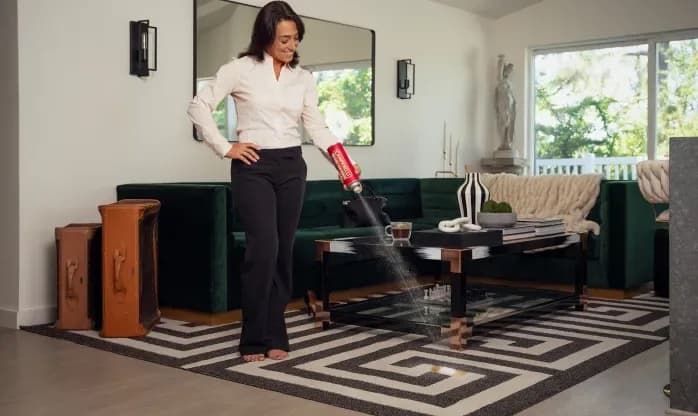
The order of operations for a pet stain matters more than any single product. Get the sequence right and even a dried three-day-old accident can lift; get it wrong and a fresh spot becomes a lifetime landmark. The two most common mistakes — scrubbing hard, and reaching for the steam cleaner — are the two moves guaranteed to turn a solvable stain into a permanent one.
This guide walks through the professional sequence for fresh accidents and dried ones, why enzymes are non-negotiable for urine odor, when a shop-vac or spot machine earns its keep, and the honest limits of what carpet-cleaning chemistry can undo. If your dog's favorite spot has become a shrine of overlapping ghost stains, the section on 'the returning stain' is why.
First rule: don't scrub, and don't reach for hot water
Every professional carpet tech will tell you the same thing on their first day: scrubbing is what turns spots into permanent problems. Friction frays carpet fiber, spreads the pigment outward past the visible stain, and drives it deeper into the pile where no consumer product can reach. What you actually want is dwell time — the right solvent sitting on the stain long enough to break the bond between pigment and fiber.
Heat is the second amateur move. A steam cleaner, hot water from the tap, a burst of hot air from a hair dryer — all of them can bond protein-based stains (urine, vomit, blood) permanently into the fibers, the same way heat sets a food stain on a shirt in the dryer. Cold water only, until the stain is fully lifted; heat comes only when you're rinsing at the very end, if at all.
Fresh accidents: the two-minute window that matters most
Every minute a fresh stain sits, it bonds harder. Blot it — don't rub — with a thick stack of paper towels or an old white towel, standing on the towel to push absorbency into the pad below. Rotate to a dry section and repeat until the towel comes up nearly clean. This blot-and-lift pass, done in the first two minutes, removes the majority of the liquid volume and the majority of your future problem in one go.
Then, treat. A cold-water rinse with a light spritz followed by another blot pass, then an appropriate cleaner: for pigmented spots (mud, food, coffee), a general no-scrub carpet spray like Campanelli, which is designed to lift stain out of the fibers without you rubbing the pigment further in. For urine or vomit, jump straight to the enzyme step below — pigment cleaner alone will lift the visible stain and leave the odor trap that draws the pet back.
Dried stains: rehydrate, then treat as fresh
A dried spot isn't a lost cause; it's a fresh spot in disguise. Rehydrate the area with a light spray of cold water — enough to soften the stain, not enough to soak the pad — and let it sit for a few minutes. This puts the stain back into solution and gives your cleaner something to work with. Then follow the fresh protocol: blot, treat, dwell, blot again.
Old urine spots are their own project. Dried urine crystallizes into the carpet fibers and the pad below, and water alone doesn't touch it — the smell can appear to vanish in dry weather and roar back on a humid day. Enzyme cleaners are the only chemistry that meaningfully breaks down urine crystals; you'll want to saturate the affected area, cover with plastic wrap so the enzymes stay wet long enough to do their work (30–45 minutes), then blot dry. This is one of the very few carpet situations where 'more product, longer' is correct.
Urine odor: why enzyme is not a suggestion
Cleaning products marketed as 'urine odor removers' fall into two families. Masking cleaners cover the smell with fragrance, and oxygen-based cleaners neutralize some odor molecules on contact. Enzyme cleaners are the third family and the only one that digests urine at the molecular level — bacteria in the formula literally eat the compounds that make old urine smell. If you skip the enzyme, your pet's nose will find the residue you can't, and the spot becomes a repeat-offense zone.
The mistake is treating urine as a pigment stain first and running the enzyme afterward. Many pigment cleaners contain surfactants that denature enzymes on contact, killing the follow-up step. The correct order for a fresh urine accident is: blot dry with the towel-and-stand method, spray enzyme, cover with plastic to preserve dwell time, blot dry again, then air out. Skip the pigment cleaner unless a visible stain remains after the enzyme has fully dried and been vacuumed.
The vinegar-and-baking-soda hack: when it works, and when it doesn't
The internet's favorite carpet remedy has real chemistry behind it — vinegar's mild acidity neutralizes ammonia in fresh urine, and the effervescence of baking soda helps lift some particulates out of the pile as the reaction dries. For a fresh, small spot on a synthetic carpet, it works well enough that many households never buy another product.
The catches: it does nothing for the enzymatic residue that causes recurring smell in old spots, it can permanently discolor natural-fiber carpets (silk, viscose, some wool) and dye-set patterns, and dumping baking soda into a padded carpet almost never fully vacuums out — a talc-like residue in the pad becomes a dust source months later. Fresh, synthetic, small: fine. Dried, natural fiber, large: use the enzyme protocol instead.
When to escalate: spot machine, pro visit, or replace the pad
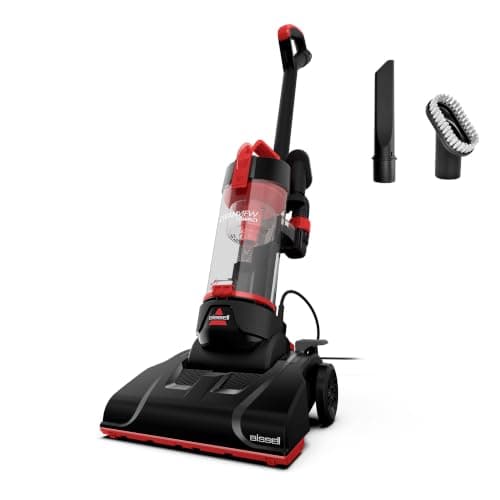
If the stain lifts from the surface fibers but the smell keeps returning as the pad dries, the urine has migrated below the carpet and no amount of surface treatment will finish the job. This is where a Bissell Little Green or similar portable spot cleaner earns its keep: it sprays cleaner, agitates gently, and — critically — extracts the liquid and cleaner back out of the pad with real suction, which is exactly what a rag-and-blot routine can't do at scale. Run a machine pass with enzyme solution, wait, run a second pass with cold water to rinse.
The escalation past that: a professional carpet-cleaning service ($120–250 per visit) has truck-mounted extraction that pulls water and residue out of pad and subfloor. And past that: if a spot has been re-soiled dozens of times over years, replacing the affected section of pad (usually a two-hour DIY job) is sometimes the only real fix — the pad has become the smell source, and no cleaner can save it from that far below.
Prevention: what actually stops the next accident on the same spot
Pets return to spots where the smell — undetectable to you — is still detectable to them. Full enzyme treatment on the first accident is the single best deterrent, because it eliminates the invitation to reoffend. If a pet has already established a spot, layer physical deterrents while the treatment cures: a piece of foil, a bath mat rubber-side-up, or a citrus-scented pet-safe repellent on the fully dry area for a week.
For pet households where accidents are a regular fact of life (puppies, elderly dogs, cats with a history), the honest answer is a bottle in every high-risk room and a protocol everyone in the house knows. Fresh spot + immediate blot + immediate treatment is the difference between one bad afternoon and a rug you eventually throw out.
Read our Campanelli review
The pro-grade point-and-spray stain remover that dissolves pigment on contact — designed for cleaning crews who bill by the job, not the hour.
Read our Campanelli reviewFrequently asked questions
How do I remove pet stains from carpet?
Blot first — never scrub — with a thick towel to lift as much liquid as possible in the first two minutes. For urine, saturate with an enzyme cleaner, cover with plastic wrap to hold dwell time (30–45 minutes), then blot dry. For pigmented spots, a no-scrub carpet spray like Campanelli lifts the stain without grinding pigment into the fibers. Always use cold water, never hot.
How do I get old, dried pet stains and urine smell out of carpet?
Rehydrate the area with a cold-water spritz, then treat as a fresh stain. For old urine specifically, only an enzyme cleaner will break down the crystalline residue that causes recurring odor — saturate the spot, cover with plastic to keep it wet for 30–45 minutes, blot dry. Deeply-soaked pad may need a portable extractor or a pro visit to lift residue from below the carpet.
Does vinegar and baking soda actually remove pet stains?
For small, fresh spots on synthetic carpet, yes — vinegar neutralizes ammonia in fresh urine and the baking-soda reaction helps lift some particulates. It doesn't handle the crystalline residue in dried urine (that's an enzyme job), it can discolor natural fibers, and baking soda often leaves a talc-like residue in the pad. Use it for the easy cases only.
Why does my pet stain smell come back after cleaning?
Two usual causes: the urine soaked past the carpet into the pad below, where surface cleaners never reach, or the visible stain was cleaned with a pigment remover but the enzymatic residue was never digested. Both need enzyme — plus, if the pad is soaked, real suction extraction from a spot machine or pro service.
Can I use a steam cleaner on pet stains?
No, not until the stain is completely gone. Heat bonds protein stains (urine, blood, vomit) permanently to the fibers, the same way a hot dryer sets a food stain on a shirt. Use cold water and enzyme cleaner first; save the steam cleaner for a general refresh once the spot is truly out.
What's the best product for pet stains on carpet?
The right product depends on the stain. For pigmented messes (mud, food, coffee, blood after enzyme), a no-scrub aerosol like Campanelli lifts pigment without rubbing it deeper. For anything urine-related, an enzyme cleaner is non-negotiable — nothing else digests the crystalline residue that causes recurring smell. Most pet households benefit from having one of each.
TopCrate is reader-supported. When you buy through links on our site we may earn an affiliate commission, at no extra cost to you. Content is for general information and isn't a substitute for professional advice.