COFFEE 101
How to Descale a Keurig: Step-by-Step (Vinegar or Solution) and How to Turn Off the Descale Light
What the descale light actually means, the exact brew-soak-rinse process Keurig recommends, and the honest truth about using vinegar instead of solution.
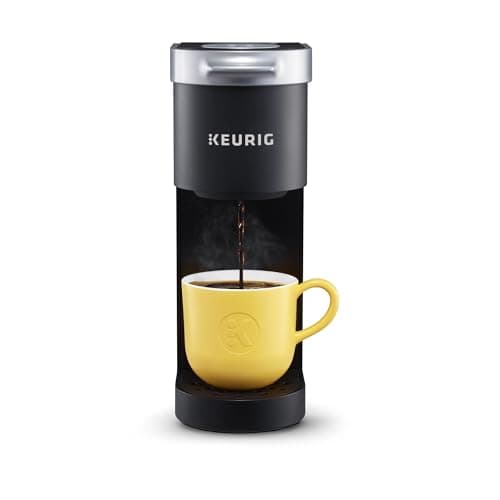
A Keurig that brews slowly, sputters, quits halfway through a cup, or flashes an orange descale light isn't dying — it's scaled. Every brew leaves behind a little of the calcium and magnesium dissolved in your tap water, and over months it hardens into a chalky crust on the heating element and inside the water lines. Descaling dissolves it, and a machine that seemed to be on its last legs usually comes back to full speed in about an hour, most of which is waiting.
Here's the full process: what scale does to your brewer, what the descale light actually means, whether plain white vinegar really works as well as Keurig's solution, the exact step-by-step procedure, and — the part everyone googles at 7am — how to get the machine out of descale mode when the light won't turn off.
What scale is and why your Keurig slows down
Keurig brewers heat water to roughly 192 degrees Fahrenheit, and heat is exactly what makes dissolved minerals drop out of water and stick to surfaces — the same white crust you see on a shower head or inside a kettle. Inside a Keurig it coats the heating element and narrows the water lines, so the pump has to force water through a smaller opening. That's why a scaled machine brews slowly, runs loud, sputters, or pours you three-quarters of a cup and calls it a day.
Scale isn't toxic — it's the same minerals you drink every day — but it steadily strangles performance, and heavy buildup can eventually kill a brewer outright. The harder your water, the faster it accumulates. Descaling means running an acidic liquid through the machine to dissolve the buildup, which is chemistry a paperclip and dish soap can't do.
What the descale light actually means
On most models the descale light isn't sensing scale directly — the brewer tracks usage and how much water has been pumped through, then reminds you on a schedule. That's why the light can come on even if you use filtered water, and why a genuinely scaled machine can misbehave before the light ever appears. Treat the light as a calendar reminder and your brewer's actual behavior — slow, loud, short cups — as the real diagnosis.
Worth knowing: the light won't turn off just because you want it to. On most brewers it clears only after you run a complete descaling procedure, and on newer models you can also reset it manually with a button combination covered below. A budget brewer like the Keurig K-Mini has no descale light at all, so set a phone reminder and descale it on the calendar instead.
White vinegar vs. Keurig descaling solution: the honest comparison
Keurig recommends its own descaling solution, and it's genuinely good at the job: it's citric-acid based, it works in a single pass, it rinses clean without lingering smell, and using it keeps you unambiguously inside Keurig's care instructions — a real consideration if your brewer is still under warranty. The downside is cost: roughly the price of a box of pods for one or two uses.
Plain white vinegar also works. It's dilute acetic acid, it dissolves the same mineral buildup, and it costs pennies. Use a 1:1 mix of white vinegar and water — never stronger — and expect to spend more effort on the back end: vinegar clings to the water lines, so you'll need thorough rinse cycles before coffee stops tasting like a salad. Note that Keurig's current guidance points you to its solution, and some manuals warn against alternatives, so vinegar is the budget call, not the by-the-book call. Either way, skip apple cider vinegar, lemon juice, and bleach — the first two leave residue and the last one is a genuinely terrible idea.
The step-by-step descale process
Step 1 — Prep the machine. Remove any pod, dump the reservoir, and take out the water filter cartridge if your reservoir has one (acid and charcoal filters don't mix). If your model has an auto-off setting, disable it — the machine needs to stay powered on for the soak.
Step 2 — Add the descaler. For Keurig solution: pour in the entire bottle, then fill the empty bottle with water and pour that in too. For vinegar: fill the reservoir about half with white vinegar, then to the max line with water for a 1:1 mix.
Step 3 — Run brew cycles without a pod. Put your largest mug on the drip tray, lift and lower the handle with no pod inside, and brew the largest cup size. Dump the hot liquid in the sink and repeat, back to back, until the machine says ADD WATER.
Step 4 — Let it rest for 30 minutes. Leave the brewer powered on and walk away. This soak is the part people skip and it's the part doing the heavy lifting — the acid needs time sitting in the hot tank to dissolve hardened buildup.
Step 5 — Rinse the reservoir. Remove it, dump any remaining descaler, and rinse it thoroughly under running water until there's no smell or slickness left.
Step 6 — Run rinse cycles. Fill the reservoir to the max line with fresh water and run large-cup brews, no pod, dumping each one. Keurig recommends at least 12 rinse brews after solution; with vinegar, keep going until a brewed cup of plain hot water smells and tastes like nothing. Refill the reservoir as needed.
How to exit descale mode (when the light won't turn off)
On newer brewers with a dedicated descale mode — the K-Supreme, K-Slim, and K-Express families among them — you enter the mode by turning the brewer off (still plugged in) and holding the 8oz and 12oz buttons together for 3 seconds until the descale light turns solid. Run the full descale-and-rinse procedure while in the mode, and the brewer exits on its own once it's satisfied, typically after you've run about two full reservoirs through.
If the light is still on afterward, the machine doesn't think you finished: repeat the 8oz-and-12oz hold for 3 seconds to toggle the mode, and make sure you actually completed the rinse cycles rather than stopping early. Older models without a descale mode simply clear the reminder after a completed descale. Button combos vary a little by model — a Keurig K-Duo behaves differently than a K-Supreme — so if the standard hold does nothing, your model's manual has the exact combo, and the whole descale process itself is identical regardless.
How often to descale (it depends on your water)
Keurig's official answer is every 3 months, and every 3 to 6 months is the realistic range for most households. Soft or filtered water buys you time toward the six-month end; hard well water can demand a descale every month or two. If you're not sure about your water, your kettle and shower head will testify — visible white crust there means your Keurig is scaling on the same schedule.
Two habits stretch the interval: use filtered water in the reservoir, and replace the water filter cartridge on schedule. And remember descaling only cleans the parts you can't see — it does nothing for the pod holder, needles, and drip tray, so pair it with a proper wash-down when you deep-clean the rest of the machine.
Read our Keurig K-Duo review
Descaling not saving it? The K-Duo brews pods and a full carafe from one machine — our pick for most kitchens.
Read our Keurig K-Duo reviewFrequently asked questions
How do I get my Keurig out of descale mode?
On K-Supreme, K-Slim, and similar newer models, hold the 8oz and 12oz buttons together for 3 seconds with the brewer off to toggle descale mode. The mode also exits automatically once you complete the full descale and rinse procedure — usually about two full reservoirs of brew cycles. If the light persists, you likely stopped rinsing too early; run more fresh-water cycles.
Can I use vinegar instead of descaling solution?
Yes — a 1:1 mix of white vinegar and water dissolves scale effectively and costs almost nothing. The tradeoffs: it needs more rinse cycles to clear the taste, and Keurig officially recommends its own solution, which matters if your brewer is under warranty. Never use undiluted vinegar, apple cider vinegar, or lemon juice.
How often should I descale my Keurig?
Keurig recommends every 3 months. In practice, every 3 to 6 months works for average water, while hard-water households may need it every 1 to 2 months. Slow brewing, sputtering, short cups, or the descale light are all signs you're due regardless of the calendar.
Why is my descale light still on after descaling?
The light clears only after the machine registers a complete procedure. Usually the fix is running more rinse cycles until you've pushed about two full reservoirs through, or toggling descale mode with the 8oz and 12oz button hold on models that have it. Simply unplugging the machine won't reset it.
Will descaling fix a Keurig that only brews half a cup?
Very often, yes — short cups are the classic symptom of scale narrowing the water lines. If a full descale doesn't fix it, check the exit needle for packed coffee grounds, which causes the same symptom and takes thirty seconds to clear with a paperclip.
Should I leave vinegar sitting in my Keurig overnight?
No — it's unnecessary. The 30-minute powered-on soak is what Keurig's procedure calls for, and it's enough for the acid to do its work. A heavily scaled machine is better served by a second full descale cycle than by an overnight soak.
TopCrate is reader-supported. When you buy through links on our site we may earn an affiliate commission, at no extra cost to you. Content is for general information and isn't a substitute for professional advice.