BACKYARD BIRDING
How to Attract Hummingbirds to Your Yard (What Actually Works, and Why Your Feeder Sits Empty)
Hanging any red feeder anywhere in the yard is why most people wait weeks for the first hummingbird and then wonder why they don't come back. Here's the specific combination of feeder, nectar, placement and cleaning routine that turns an empty yard into a regular flight path.
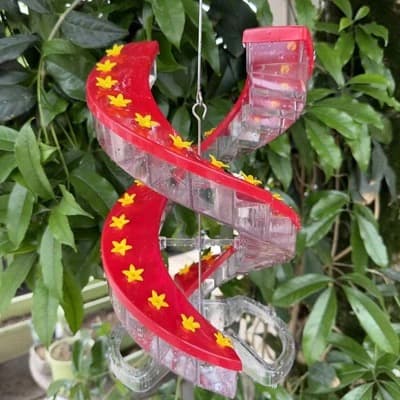
There's a specific frustration to hanging a hummingbird feeder for the first time. You buy the red plastic thing, mix the sugar water the label suggests, hang it off the shepherd's hook, and then… nothing. A week goes by. Two weeks. The nectar goes cloudy in the sun. You start to wonder if there are even any hummingbirds in your neighborhood. Then a friend two blocks over posts a video of half a dozen ruby-throateds swarming their feeder, and you go from confused to slightly annoyed.
The birds are there — the average residential yard in most of the U.S. has hummingbirds passing through daily during migration, and a resident population all summer in the eastern and western halves of the country. The reason yours is empty comes down to a very specific stack of things: the wrong feeder for how the birds actually feed, nectar recipes that violate what the National Audubon Society recommends, placement that fights against how hummingbirds check a new food source, and a cleaning cadence far too slow for how fast sugar water spoils in heat. Fix all four, in the order below, and most yards go from zero to regular traffic inside two to three weeks.
First: yes, there are hummingbirds in your area
Ruby-throated hummingbirds are found across the entire eastern half of the United States (roughly everything east of the Mississippi and into the Great Plains) from April through October, with peak migration in late August and early September. Anna's, Rufous, Black-chinned, Costa's, Broad-tailed and Calliope hummingbirds cover the western half, with Anna's specifically present year-round along the Pacific coast. Unless you're in a treeless subdivision on the Great Plains in mid-January, hummingbirds are within a few blocks of you during their local season — this is settled ornithology, tracked in real time on eBird and by Cornell's citizen-science network.
What varies is whether they've discovered YOUR yard yet. Hummingbirds work a mental map of reliable feeding stations that they build over the first weeks of a season and add to across their lives; new food sources get sampled, but only the ones that pass the tests below get added to the regular route. A yard that sits empty for two weeks isn't 'a yard without hummingbirds' — it's a yard the local birds haven't decided is worth adding yet. The good news is you can influence every variable in that decision.
The feeder itself — why most cheap ones underperform (and what to actually buy)
The best feeder for regular yard traffic checks four boxes: multiple feeding ports so several birds can drink at once without dogfighting (single-port feeders enforce a territorial hierarchy that keeps most birds out); red coloring on the feeder itself (hummingbirds are hardwired to associate red with nectar-rich flowers — this is why red dye in the sugar water is unnecessary and discouraged, as covered below, but red on the feeder body is exactly right); a top-fill or fully-disassembling design so cleaning takes minutes not an hour; and something to slow down ants and bees — an ant moat above the feeder and bee guards on the ports.
The DNA Helix Feeder is worth a look specifically because it hits all four in one purchase. It's a twisting double-helix column with 32 flower-shaped ports, so a whole squadron of hummingbirds can feed simultaneously instead of fighting over one perch; the clear column plus red flower ports gives you the visual cue without dyed nectar; it top-fills and fully disassembles for the weekly clean; and it ships with a built-in ant moat and bee guards. It's a clone of the patented Cascade DNA design sold through a discount funnel — that's the honest catch — but as a functional four-box-checker it's a fine yard-anchor feeder. If you'd rather source the same layout from a hardware store, look for any multi-port hummingbird feeder with red port surrounds and an integrated moat; the mechanism matters more than the brand.
The nectar recipe — 4:1, plain white sugar, no red dye, no honey
This is the part where a huge percentage of yards go wrong, and the fix costs nothing. The nectar recipe the National Audubon Society and every hummingbird researcher recommends is exactly one part refined white cane sugar to four parts water by volume. Bring the water to a boil, dissolve the sugar completely, cool fully to room temperature, then fill the feeder. That's it. This ratio is close to the sugar concentration in the flower nectar hummingbirds evolved to feed on.
What NOT to put in: no red food dye (it's unnecessary — the red on the feeder is what draws them, and dye is a low-grade toxicity concern for a bird that weighs less than a nickel and drinks half its body weight a day); no honey (ferments and grows microorganisms that cause fatal fungal infections in hummingbirds); no brown sugar, raw sugar, turbinado, agave or 'natural' cane sugars (contain iron and other minerals the birds can't process at that concentration); no artificial sweeteners (no calories = starvation). Refined white cane sugar and water, at 4:1, is not a compromise — it's what actually matches the biochemistry. Bulk buy sugar in the ten-pound bag; peak season a busy feeder will burn through it startlingly fast.
Where to hang the feeder (this is why yours might sit empty for weeks)
Hummingbirds check new food sources from a specific vantage point: a perch with a clear sight line to the feeder, close enough to fly to safely if a hawk shows up. That means partial shade under a tree branch, near a bush or hedge, or off a shepherd's hook within a few feet of shrubs — NOT dead center in a sun-baked open lawn where the nectar will boil in the sun and the birds have no cover. Sun exposure also spoils sugar water fast; a feeder in direct all-day sun in July is on a 24-hour spoil clock, while one in dappled afternoon shade holds up two to three days.
Height and visibility matter too. Hang it at eye level or slightly above (four to six feet off the ground), where you can actually see and enjoy the traffic from a window, and where the birds can approach without ducking under low branches. Position it so YOU can see it from where you sit; you'll clean it more often and enjoy the yard more. If you have room for multiples, hang a second feeder out of line of sight of the first — territorial males will guard one feeder and chase everyone else off, so a second feeder around a corner or across the yard lets non-dominant birds actually feed. This is the single biggest reason a busy feeder still doesn't visibly serve many birds: one alpha male is guarding the whole show.
Cleaning cadence — the mistake almost everyone makes
Sugar water in a warm, sunny plastic feeder is a growth medium. Bacteria and yeast start colonizing it within hours, and by day three or four in summer heat you're serving a fermented, cloudy soup that can make hummingbirds sick — and, more practically, that they'll refuse to drink. This is why a feeder can be 'full' and still not attract birds: they smell it going off before you notice the cloudiness.
The rule: in temperatures below 70°F, change nectar every four to five days; between 70-85°F, every two to three days; above 85°F or in direct sun, every one to two days. When you refill, don't just top it off — pour the old nectar out, disassemble the feeder, wash every part in hot water (skip the soap; residues linger and taste bitter to birds) with a bottle brush getting into every port, rinse thoroughly, and refill with fresh nectar. Once a month, run a 1:4 white vinegar and water solution through the parts to knock back any mold that's starting in port crevices, then rinse thoroughly. This is where a top-fill / fully-disassembling design pays off — a five-minute weekly clean is sustainable; a thirty-minute Sunday project isn't.
Ant, bee and wasp defense (because they will come)
The moment you hang a sugar-water feeder, you're issuing an invitation the neighborhood ant and wasp populations will accept. The two-piece defense: an ant moat and bee guards. An ant moat is a small water-filled cup above the feeder — ants can't cross water, so a moat placed on the hanging wire between the hook and the feeder cuts off the primary ant highway. Refill it every few days, especially in summer heat. If your feeder didn't come with one (most cheap feeders don't), a $5 add-on moat from a garden store solves it.
Bee guards are little plastic mesh or cage inserts inside each feeding port that block bee tongues but let hummingbird bills through. They dramatically reduce (though don't eliminate) bee traffic. For wasps, the honest answer is: some feeders and yards get wasp visitors and there's no perfect fix short of moving the feeder or waiting out the season. Yellow attracts wasps more than red, so avoid yellow-accented feeders. Don't use petroleum jelly, insecticide, or anything oily on or near the feeder — hummingbirds' feathers can't tolerate contamination, and both they and beneficial pollinators can be harmed.
Plant the yard for a serious upgrade (a feeder is a start, not the ceiling)
The yards that get resident hummingbird traffic — birds that stay, nest, and defend the territory — are the ones with native nectar plants blooming across the season, not just a feeder. Sugar water gets birds in the door; native flowers keep them. The specific plants that work vary by region, but the reliably attractive genera across most of the U.S. are: bee balm (Monarda), cardinal flower (Lobelia cardinalis), trumpet creeper (Campsis radicans — vigorous, plan for a fence), coral honeysuckle (Lonicera sempervirens), salvia and sages (many species), penstemon, native columbine, and hardy fuchsia in the west. Aim for a rotation that gives you flowers from May through first frost.
Two general rules regardless of your region: native plants outperform nursery hybrids for hummingbirds because the flower shape and nectar match what local species evolved with; and 'red and tubular' is the shorthand for what hummingbirds are hardwired to notice, though they'll also visit orange, pink and purple tubular flowers. Your regional Audubon chapter and Cornell's Merlin Bird ID app both have region-specific plant recommendations that will beat generic advice.
How long before you actually see traffic, and what to do if you don't
Expect two to three weeks for the first regular visitor, sometimes longer for a brand-new yard the local birds haven't sampled. If a month has gone by with nothing, run the checklist: right feeder (multi-port, red, easy-clean, ant/bee defended), right nectar (4:1 plain white sugar, no dye, no honey, changed on the summer schedule), right placement (partial shade, near cover, visible from a perch), clean cadence (every two to three days in summer heat, monthly vinegar rinse). If any of those is off, that's the fix. If all four are right and the yard is still empty, the issue is usually visibility — try moving the feeder closer to a mature shrub or tree the birds already use as cover, or hang a second feeder in a different corner so you're catching different flight paths.
Once the first birds show up, they anchor the traffic. Word-of-mouth (or word-of-hummingbird — they seem to notice each other's feeding routes) does the rest. By year two, a well-maintained yard is on the regular route and the season starts with returning birds the day they arrive back in your area from migration. That's the payoff for getting the four fundamentals right: not a busy feeder for one summer, but a piece of yard that's genuinely part of your local hummingbird population's map for years.
Read our DNA Helix Feeder review
A 32-port double-helix nectar feeder that lets a whole squadron of hummingbirds feed at once instead of dogfighting over a single station — plus a built-in ant moat, bee guards, and a top-fill design that makes the weekly clean a five-minute job.
Read our DNA Helix Feeder reviewFrequently asked questions
What is the best sugar-to-water ratio for hummingbird nectar?
Exactly one part refined white cane sugar to four parts water by volume — the ratio the National Audubon Society and every hummingbird researcher recommends. Bring the water to a boil, dissolve the sugar completely, cool fully to room temperature, then fill the feeder. This 4:1 ratio closely matches the sugar concentration in the flower nectar hummingbirds evolved to feed on. Don't use honey (grows fatal fungal infections), brown or raw sugar (contains iron the birds can't process at that concentration), artificial sweeteners (no calories = starvation), or red food dye (unnecessary and a low-grade toxicity concern for a bird that weighs less than a nickel).
How often should I change hummingbird nectar in hot weather?
Below 70°F, every four to five days. Between 70-85°F, every two to three days. Above 85°F or in direct sun, every one to two days. Sugar water in a warm, sunny plastic feeder is a growth medium — bacteria and yeast colonize it within hours and by day three or four in summer heat you're serving a fermented soup that can make hummingbirds sick and that they'll refuse to drink. When you refill, don't just top off: disassemble the feeder, wash every part in hot water (no soap — residues taste bitter) with a bottle brush, rinse thoroughly, and refill. Once a month, run a 1:4 white vinegar and water solution through the parts to kill mold, then rinse.
Why aren't hummingbirds coming to my feeder?
Almost always one of four fixable things. First: wrong feeder — single-port feeders let one dominant male guard the whole show and drive everyone else off, so a multi-port feeder like the DNA Helix with 32 ports genuinely changes traffic. Second: wrong nectar (see the 4:1 recipe above). Third: wrong placement — hummingbirds want partial shade near cover, not dead center in a sun-baked lawn. Fourth: dirty feeder — birds smell fermenting nectar before you notice cloudiness and simply skip it. Fix all four and most yards go from empty to regular traffic in two to three weeks. If a month passes with nothing, move the feeder closer to a mature shrub or tree, or add a second feeder in a different corner.
Where should I hang a hummingbird feeder in my yard?
Partial shade under a tree branch or off a shepherd's hook within a few feet of shrubs — near cover so hummingbirds can perch and check the food source safely, and shaded enough that the nectar doesn't boil in the sun. A feeder in all-day direct sun in July spoils in 24 hours; one in dappled afternoon shade holds two to three days. Hang it four to six feet off the ground, where you can see it from a window (you'll clean it more often), and where the birds can approach without ducking low branches. If you have room, hang a second feeder out of line of sight of the first — territorial males will guard one feeder and chase everyone off, so a second feeder around a corner lets non-dominant birds actually feed.
Do I need to put red dye in hummingbird nectar?
No — and you shouldn't. Hummingbirds are hardwired to associate the color red with nectar-rich flowers, but they read that signal from the feeder body itself, not from the sugar water. A red-colored feeder (red flower-shaped ports, red base, red top) with clear plain nectar draws birds exactly as well as dyed nectar, and it eliminates a low-grade toxicity concern for a bird that weighs less than a nickel and drinks roughly half its body weight in nectar per day. The dye tradition is a marketing habit that predates the research, not a nutritional requirement. Every serious hummingbird advocacy group — Audubon, Cornell Lab, hummingbird researchers — recommends dye-free 4:1 sugar water.
How do I keep ants, bees and wasps off a hummingbird feeder?
For ants, install an ant moat — a small water-filled cup on the hanging wire between the hook and the feeder. Ants can't cross water, so it cuts off the primary highway. Refill it every few days, especially in summer. For bees, use a feeder with bee guards — little mesh or cage inserts in each port that block bee tongues but let hummingbird bills through. The DNA Helix Feeder ships with both. For wasps, honest answer: some yards and seasons just get wasp traffic and there's no perfect fix short of moving the feeder or waiting out the season. Avoid yellow-accented feeders (yellow attracts wasps more than red), and NEVER use petroleum jelly, insecticide or oil near the feeder — hummingbirds' feathers can't tolerate contamination.
What flowers attract hummingbirds the most?
Native tubular flowers in the red-orange-pink range: bee balm (Monarda), cardinal flower (Lobelia cardinalis), trumpet creeper (Campsis radicans), coral honeysuckle (Lonicera sempervirens), salvia and sages, penstemon, native columbine, and hardy fuchsia in the western states. Two general rules regardless of region: natives outperform nursery hybrids because the flower shape and nectar match what local species evolved with, and 'red and tubular' is the shorthand for what hummingbirds are hardwired to notice. Aim for a rotation of plants that keeps something blooming from May through first frost — a feeder plus native flowers plus reliable cleaning is the combination that gets you resident birds year after year, not just occasional visitors.
TopCrate is reader-supported. When you buy through links on our site we may earn an affiliate commission, at no extra cost to you. Content is for general information and isn't a substitute for professional advice.